

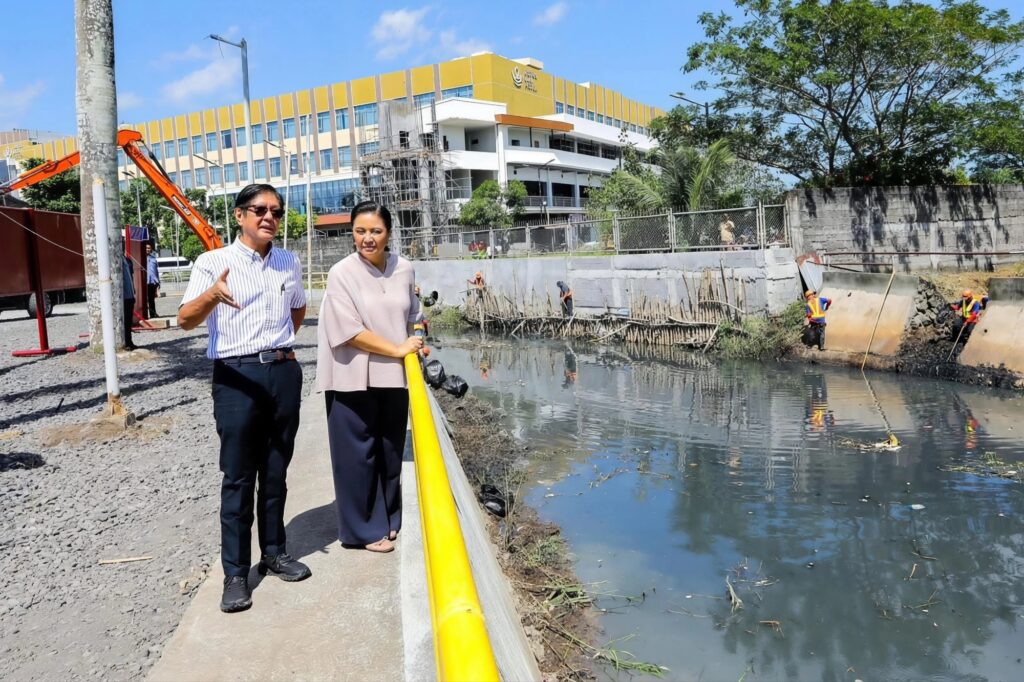
President Ferdinand Marcos Jr. and former vice president Leni Robredo—rivals in the 2022 presidential race—found common ground on Saturday, February 21, in Naga City, where the administration turned over ₱500 million to modernize a landmark named for Robredo’s late husband and inspected key flood control projects across the Bicol River Basin.
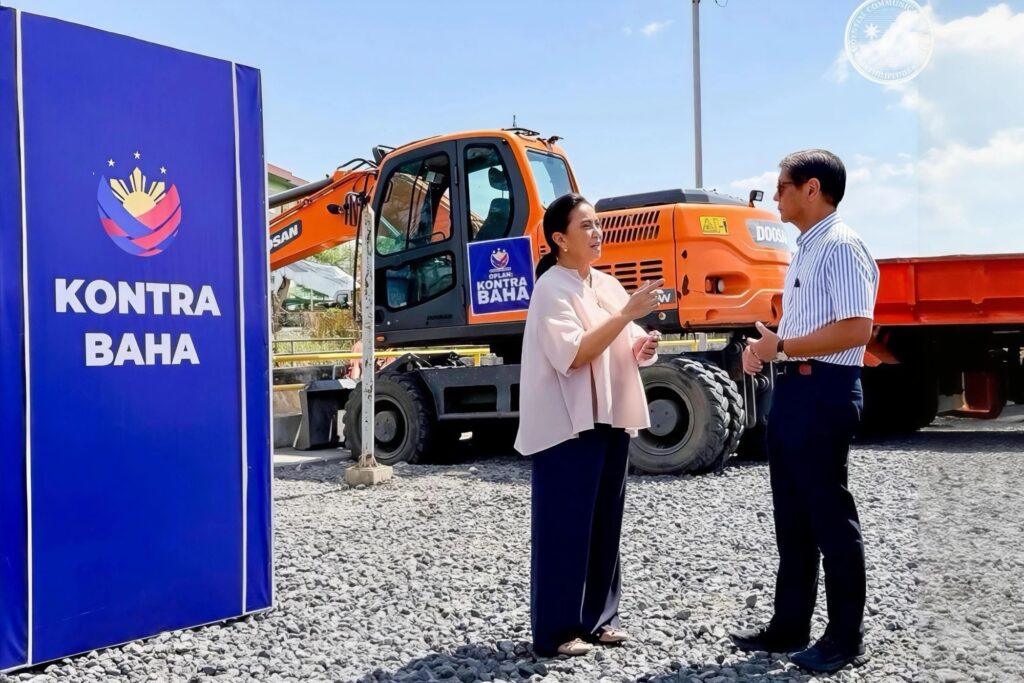
Marcos said his visit was focused on public service, not politics, as he personally checked waterways and drainage systems in the city. Accompanied by Robredo, now Naga City mayor, and DPWH Secretary Vince Dizon, the president assessed the condition of flood mitigation infrastructure amid recurring storms in the region.
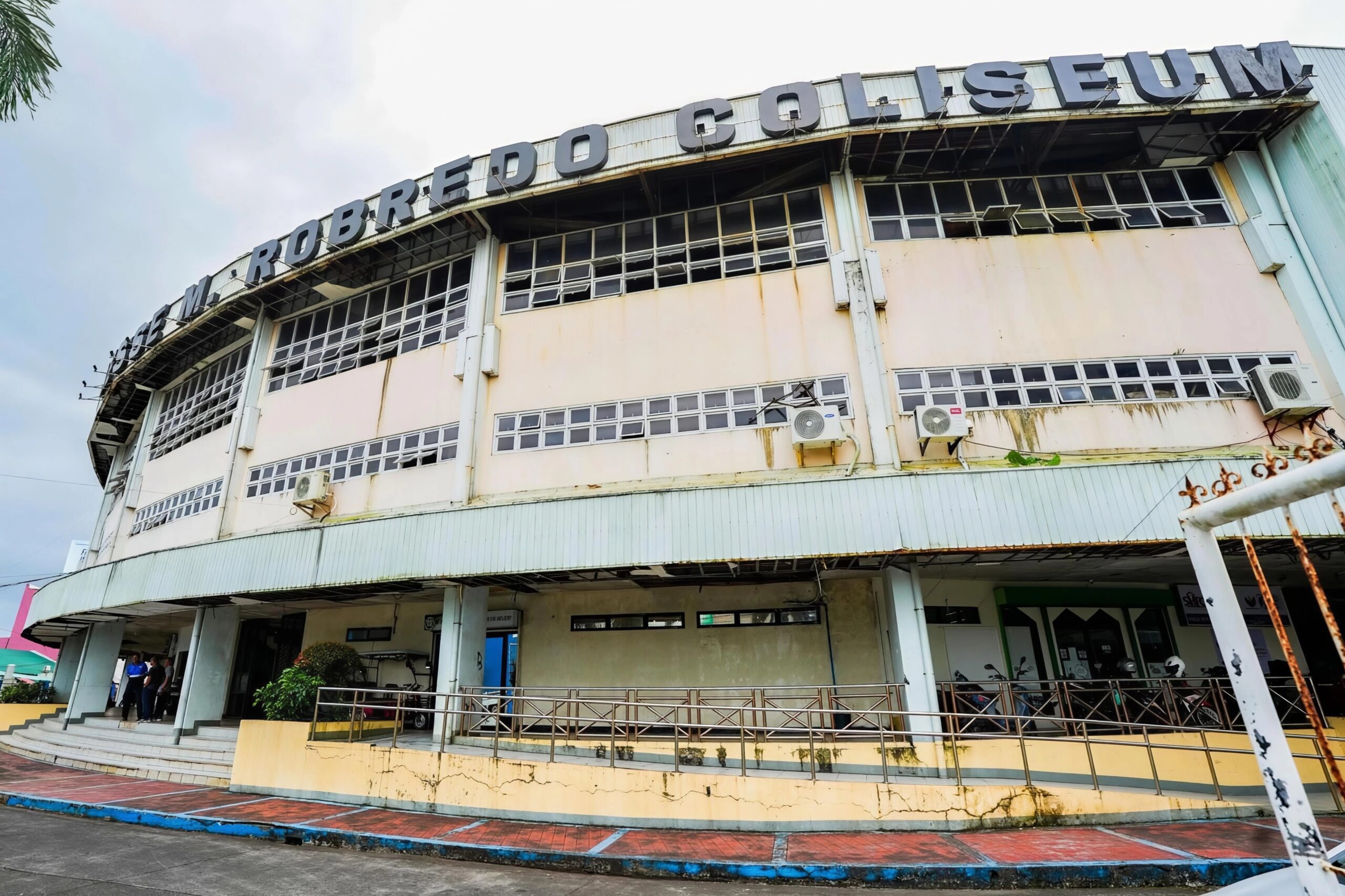
Marcos led the ceremonial release of funds for the renovation and retrofitting of the Jesse M. Robredo Coliseum, a facility built in 2010 under the late DILG secretary and former Naga City mayor Jesse Robredo. The coliseum bears the name of Robredo’s late husband.
The Presidential Communications Office (PCO) said the ₱500 million allocation was released through a Special Allotment Release Order (SARO) and will fund structural strengthening, roofing upgrades, improved sanitation facilities, and drainage enhancements to prevent flooding. Plans also include installing a permanent community kitchen capable of feeding thousands during disasters and creating dedicated medical response areas.
“The initiative aims to strengthen the local government’s capacity to plan and respond swiftly and effectively during natural disasters and other crises,” the PCO said.
The project underscores disaster preparedness as a shared priority, even between former political adversaries. Marcos and Robredo faced off in the 2022 presidential election, one of the most divisive contests in recent history, making the joint inspection and funding turnover notable in Robredo’s political bailiwick.
Known as the “Big Dome of the South,” the 12,000-seat coliseum—expandable to about 15,000 for standing-room events—hosts basketball games, concerts, and major regional gatherings. Over the years, it has doubled as an evacuation and relief hub during calamities, withstanding powerful typhoons and earthquakes without sustaining major structural damage.
During the onslaught of Typhoon Kristine, the facility remained dry while much of Naga City was flooded, serving as a logistics center for relief distribution across Camarines Sur.
Still, officials acknowledged the coliseum was not designed for prolonged shelter operations. “Recent disasters exposed several limitations, including insufficient toilets, showers, and laundry areas; the absence of permanent industrial-grade kitchens for mass feeding; and fixed seating that makes it difficult to sleep during disasters,” the PCO said.
“The planned renovation will ensure that the coliseum remains a safe and dependable facility serving both as a premier events venue and an evacuation center for the people of Naga and nearby provinces,” it added.
The flood control inspection and the coliseum upgrade form part of ongoing efforts by the national and local governments to strengthen disaster preparedness and infrastructure in typhoon-prone Bicol.
Stay updated—follow Philippines Today on Facebook and Instagram, and subscribe on YouTube for more stories.