
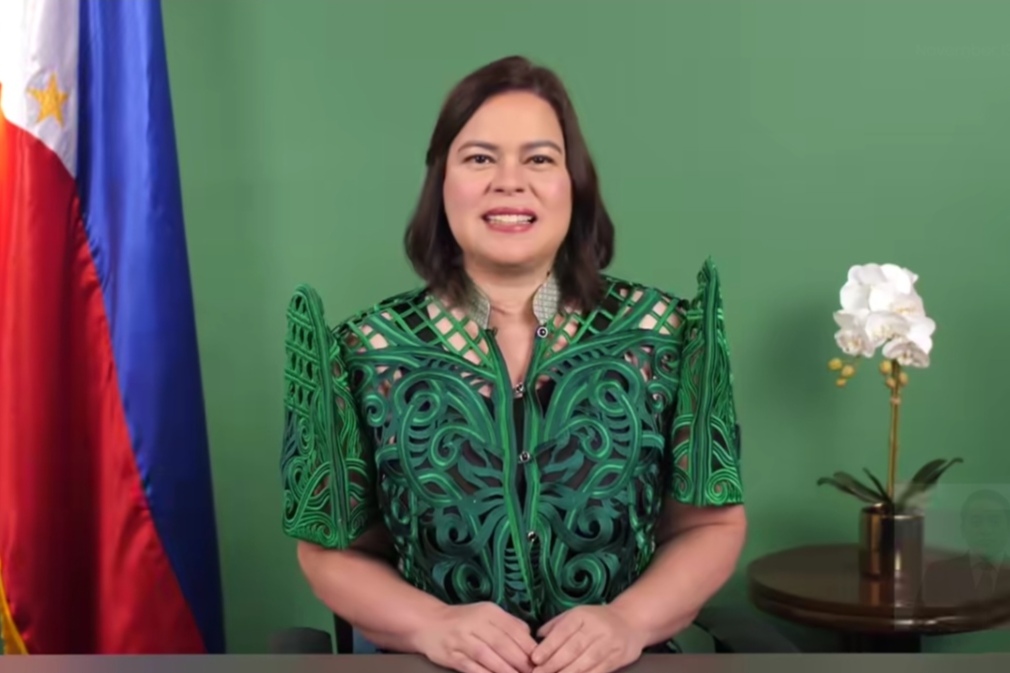

As the Office of the Vice President (OVP) marks its 90th year, Vice President Sara Duterte is looking beyond the milestone—toward a legacy that could shape the institution for the next century.
In a video message released on Thursday, Duterte unveiled a three-part plan: an OVP museum, a permanent office, and a charter that would formally define the vice presidency’s mandate. She called the anniversary “a launchpad for the future,” a moment to secure the OVP’s place as a permanent fixture of Philippine democracy.
“We are laying the foundational groundwork to ensure the Office of the Vice President remains strong, stable, and effective for the next century,” Duterte said.
The OVP, established in 1935, has often shifted from one rented space to another — a metaphor, perhaps, for its shifting political fortunes. Duterte’s proposal for a permanent headquarters aims to end that transience. A dedicated building, she said, would “enhance efficiency, reduce costs, and ensure uninterrupted, accessible service delivery, regardless of administration.”
The envisioned OVP Museum, on the other hand, will serve as a repository of history and memory—“a dedicated space to permanently preserve and showcase the history, artifacts, and enduring legacy of the Vice Presidency for future generations of Filipinos.”
Duterte also plans to pursue legislation creating an OVP Charter, which would “formally define the mandate, functions, and capacity of the Office of the Vice President, ensuring that the authority earned through 90 years of service is constitutionally recognized and supported.”
The three initiatives, she said, are part of a broader effort to institutionalize the office’s role and shield it from political turnover.
“These initiatives are our commitment to democratic institution-building,” Duterte said. “Strengthening this office will allow us to serve you better, more efficiently, and with greater impact.”
This year’s 90th anniversary celebration includes pop-up exhibits in major cities, featuring the contributions of past vice presidents—a living record of how the office has evolved through war, revolution, and reform.
“Since its establishment in 1935, this office has been a pillar of Philippine democracy, transforming challenges into opportunities for impactful, grassroots service,” Duterte said.
Closing her message with a call for unity, she urged Filipinos to take part in shaping the OVP’s next chapter.
“Magtulungan tayong itaguyod ang kinabukasan ng ating bansa. Mahalin natin ang Pilipinas—para sa Diyos, sa Bayan, at sa bawat Pamilyang Pilipino.”
Stay updated—follow Philippines Today on Facebook and Instagram, and subscribe on YouTube for more stories.