


Long before cigars became fixtures of private lounges and curated menus, they were part of daily life in Central America, where tobacco leaves were rolled and smoked well before the arrival of Europeans.
When Spanish explorers encountered the practice in the late 15th century, they carried it across the Atlantic, setting in motion a trade that would eventually anchor itself in Cuba and shape a global industry built on craft, geography, and time.
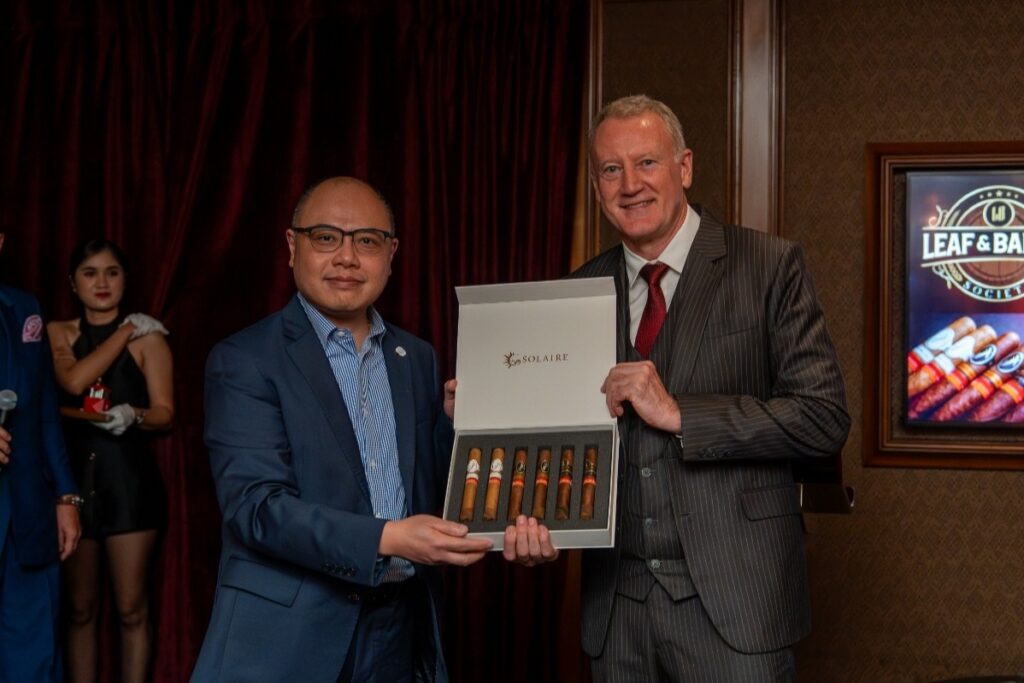
That lineage framed the launch of the Solaire Uncut Robusto Colección on March 12 at BRB in Solaire Resort Entertainment City, where Manila joins eight locations worldwide selected to offer the limited Davidoff release. The gathering brought together cigar collectors and newcomers in a setting that reflects the contemporary culture of smoking—defined as much by curation and environment as by the cigar itself.
In the hushed interiors of BRB, where rows of bottles and humidors signal both abundance and control, the evening unfolded with a measured pace. Cigars were examined before they were lit, their construction and aroma assessed with quiet familiarity. For some in the room, the ritual was second nature; for others, it was an introduction to a culture that prizes patience as much as provenance.
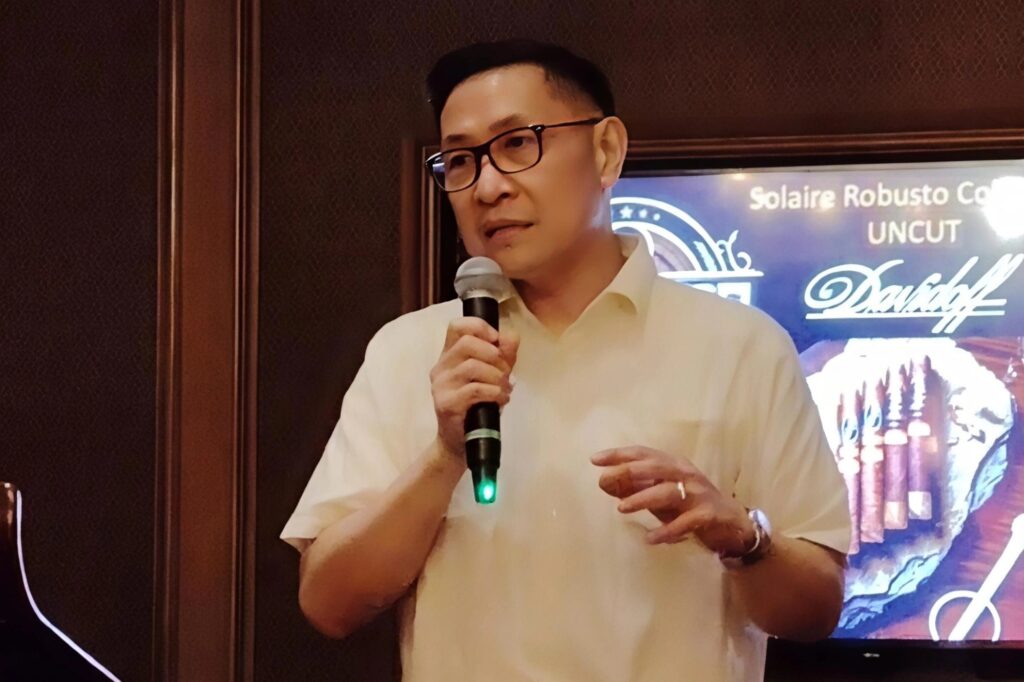
Speaking to the audience, Jacob Policarpio, managing partner at Tabac Inc. and Zino Manila Inc., the exclusive distributor of Davidoff cigars in the Philippines, traced that provenance with a concise account of how cigars moved from regional practice to global commodity.
“Cigars were smoked in Central America a long, long time ago,” he said, before outlining how the Spanish encounter introduced tobacco to Europe and, in time, to a broader market. Much of the early manufacturing, he noted, took root in Cuba, where brands such as Hoyo de Monterrey, Romeo y Julieta, and Partagás have endured since the 19th century.
The evolution of premium cigars, however, did not remain confined to the island. Policarpio pointed to the emergence of Davidoff as a defining moment in the modern segment, beginning with a family that moved from Kiev to Geneva in 1911 to open a tobacco shop. It was Zino Davidoff’s later travels to Central America, and his focus on preservation, that introduced a new level of precision to the business.
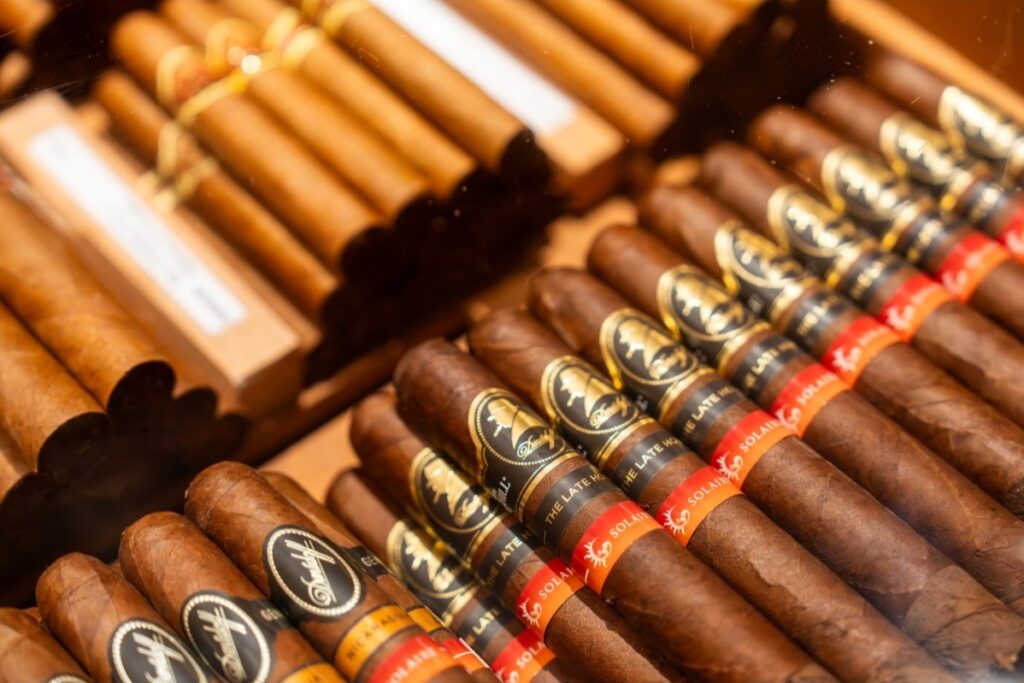
As cigars were shipped from tropical climates to Europe, differences in temperature and humidity altered their condition. Recognizing this, Davidoff emphasized controlled storage—an approach that would later become standard practice in premium cigar environments. At BRB, that principle is embedded in the humidor itself, where conditions are calibrated to maintain consistency from production to consumption.
Policarpio’s account moved through the decades that followed: the creation of the Château series in the 1940s, which aligned cigars with the language of French wine; the establishment of the Davidoff brand in 1967 under Cuba’s state tobacco monopoly; and the end of that partnership in 1991, which shifted production to the Dominican Republic and later to Nicaragua, Honduras, Mexico, and Brazil. The result was a broader sourcing of tobacco and an expanded approach to blending.
The Uncut line presented at Solaire reflects that approach. Defined by its unfinished foot, the cigar allows the filler tobacco to be experienced before the wrapper takes effect, creating a progression that highlights the composition of the blend. The Solaire Uncut Colección includes the Grand Cru Robusto, Nicaragua Robusto, and Winston Churchill Late Hour, offered in boxes of three, six and twelve.
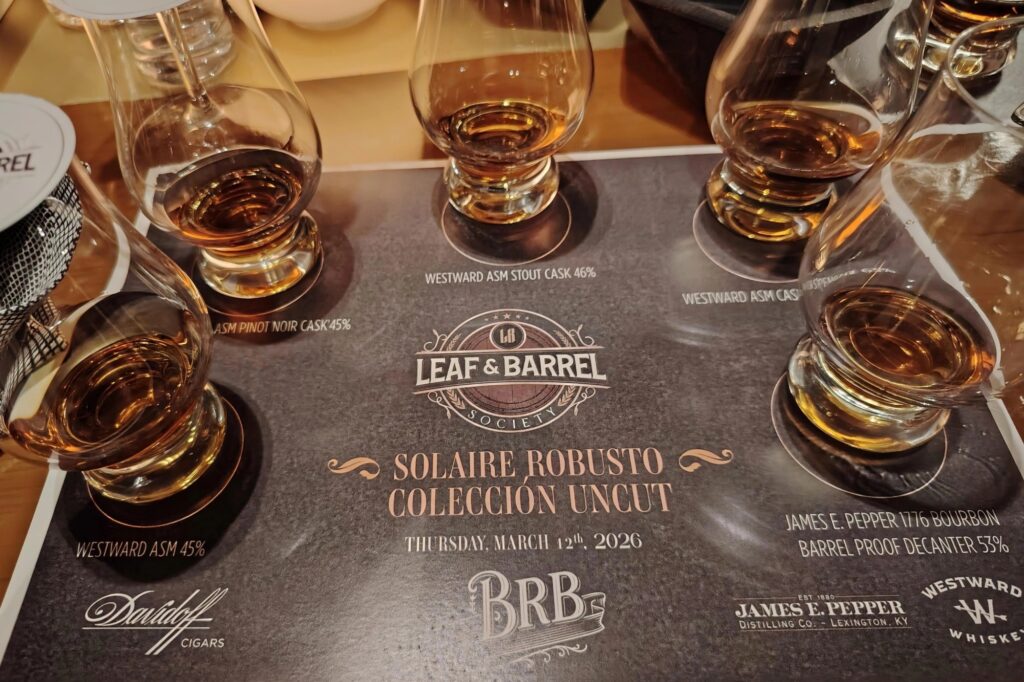
“Bringing Davidoff Uncut Cigars to BRB is a true milestone for us,” said Daniel Blais, director of beverage for Solaire Resort. He described the release as part of a broader effort to develop a program that integrates cigars with a wider beverage offering, including a catalogue of more than 400 whiskies. The launch formed part of BRB’s Leaf & Barrel Society, a series of tastings designed around structured pairings.
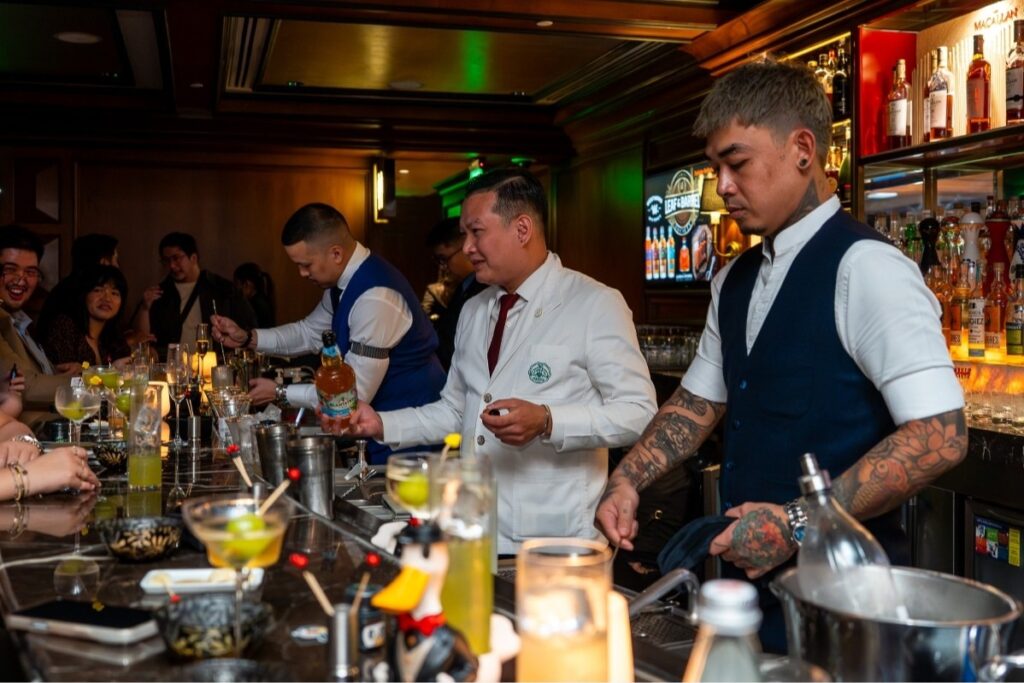
Throughout the evening, cigars were matched with a selection of whiskies, each pairing intended to draw out specific notes in both smoke and spirit. A bar takeover by the BKK Boys—Ryan de Vega, Dicky Hartono, and Niks Anuman—introduced a parallel focus on cocktails, adding a contemporary layer to an otherwise traditional format.
The Uncut Robusto Colección reflects how cigar programs in venues such as BRB are structured around limited releases, controlled storage, and guided tastings, bringing together product, setting, and service within a single experience.
Stay updated—follow Philippines Today on Facebook and Instagram, and subscribe on YouTube for more stories.