


Philippine cuisine is gaining unprecedented international attention, but chef Bruce Lim believes the country’s culinary industry is being held back by a far less glamorous reality: rising food costs that are forcing restaurants to prioritize survival over innovation.
Interviewed on the sidelines of the World Food Expo (WOFEX) 2026, Lim, culinary partner of Sunny Farms, said chefs across the country are scrambling for alternative suppliers and more affordable ingredients as inflation and volatile operating costs squeeze restaurant margins.
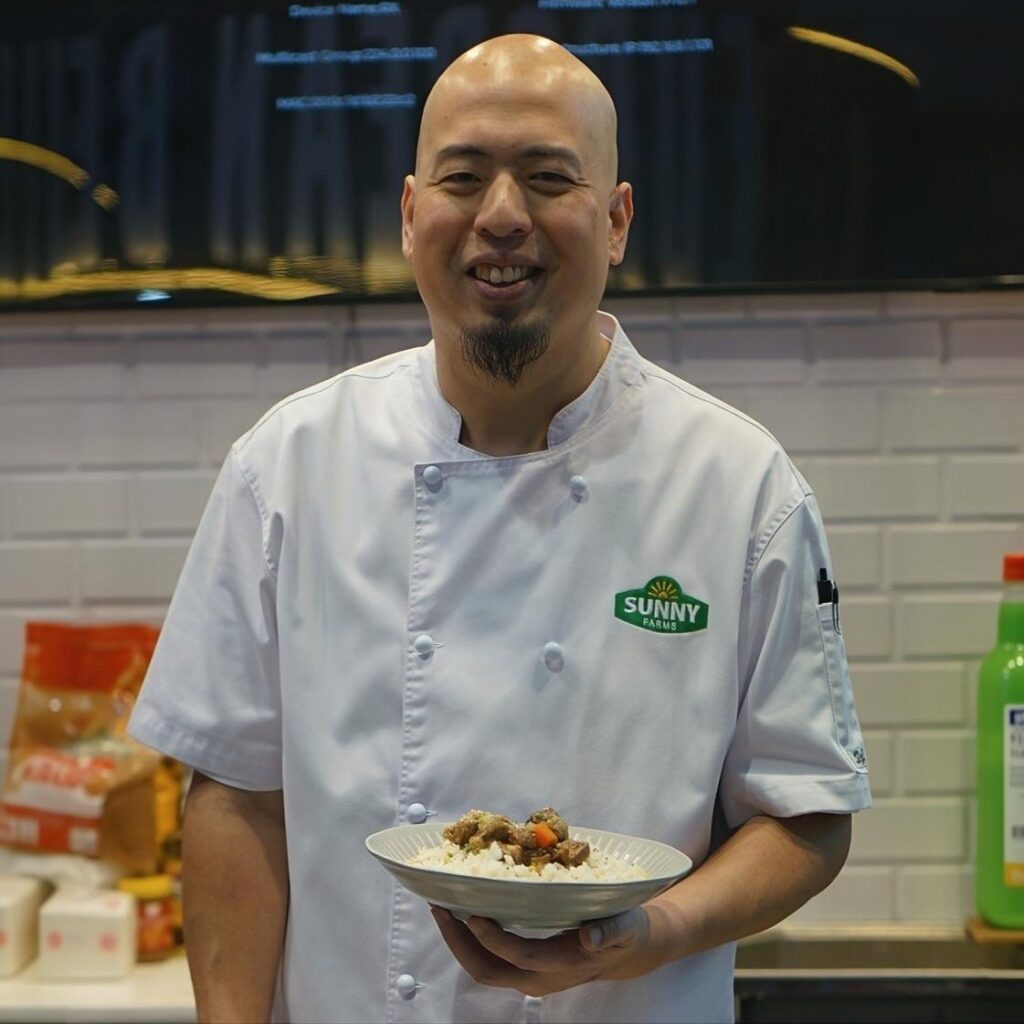
“It cannot move to the level it should be because the cost of everything is just too high.”
While the arrival of the Michelin Guide and the emergence of highly regarded Filipino chefs have raised the industry’s profile, Lim argued that structural challenges continue to slow its progress.
“You have Chef Jordy, you have the Michelin Guide that came here, you have all that, Chef Josh, they’re pushing the standards forward. But we’re being hindered by our own problems… So, we’re not growing as fast as we should.”
He said the pressure extends well beyond ingredient prices. Rising fuel, electricity, and delivery costs ripple across the entire food supply chain, making it increasingly difficult for restaurants to maintain quality while keeping menu prices within reach.
“We’re not hindered by food costs, fluctuation of delivery costs, gas prices going up, because that all plays a part, unfortunately.”
Lim also pointed to deeper issues in the agricultural supply chain, saying many Filipino farmers struggle to receive fair returns because of multiple layers of middlemen.
“If we wanted to say we’re gonna be purely Filipino, homegrown… our farmers are not getting a fair shake… because of all these middlemen.”
Despite those challenges, Lim remains optimistic that the country’s culinary scene can eventually realize its potential once market conditions stabilize.
“Hopefully, when the dust settles and everything gets a little bit better and stable, we will see the real growth of the Philippines. It’ll be really… we’ll really be able to take off.”
That philosophy shaped his participation at WOFEX, where he demonstrated how chefs and small food businesses can create quality meals without significantly increasing costs. Using shelf-stable ingredients such as corn and mushrooms, he showed participants how to build affordable set meals while managing food costs.
“Make good quality food without breaking the bank,” he said, describing the goal of the demonstrations.
According to Lim, affordability should never come at the expense of quality. Instead, chefs need to rethink recipes and identify ingredients that preserve flavor while reducing overall costs.
“You really have to think about the actual dish itself. You have to get an intimate relationship on what you’re trying to make.”
He cited beef salpicao as an example. Rather than relying solely on premium cuts, he combines more affordable beef with mushrooms to stretch the dish without compromising taste.
“I’ll add mushrooms to it… and I’ll just extend that so that the flavor is there, but the quality is still good. It doesn’t affect the price.”
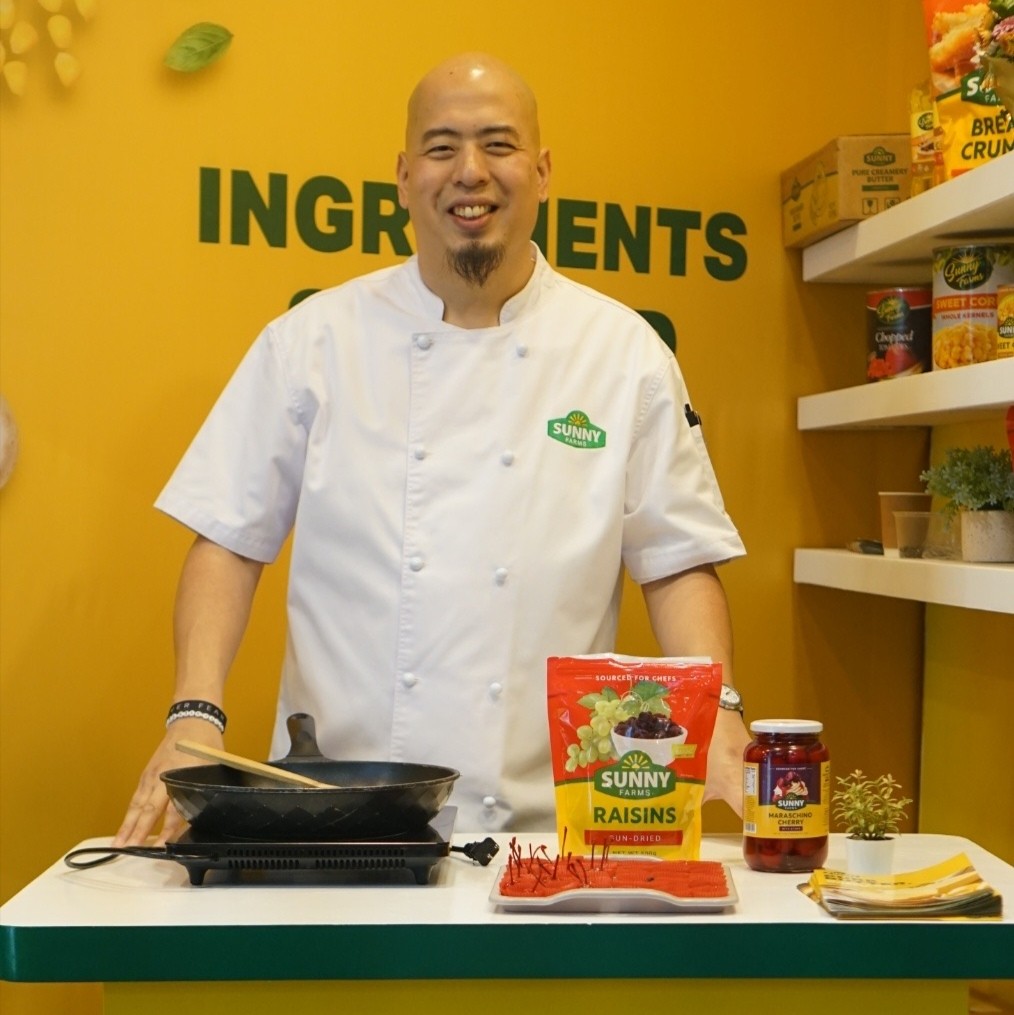
For Lim, adapting to changing consumer expectations is as important as controlling costs.
“It’s like a double-edged sword because you want to do something, but sometimes the consumer doesn’t want that. They want something totally different.”
The same pragmatic mindset also shapes his career ambitions. Although the Michelin Guide’s arrival has fueled excitement among Filipino chefs, Lim said earning a Michelin star is not driving his decisions.
“If it comes, it comes with God’s will… But right now, my main focus is on surviving, basically. We just have to survive.”
For now, he said, building sustainable restaurants that can weather today’s economic pressures matters more than chasing accolades.
Stay updated—follow Philippines Today on Facebook and Instagram, and subscribe on YouTube for more stories.