
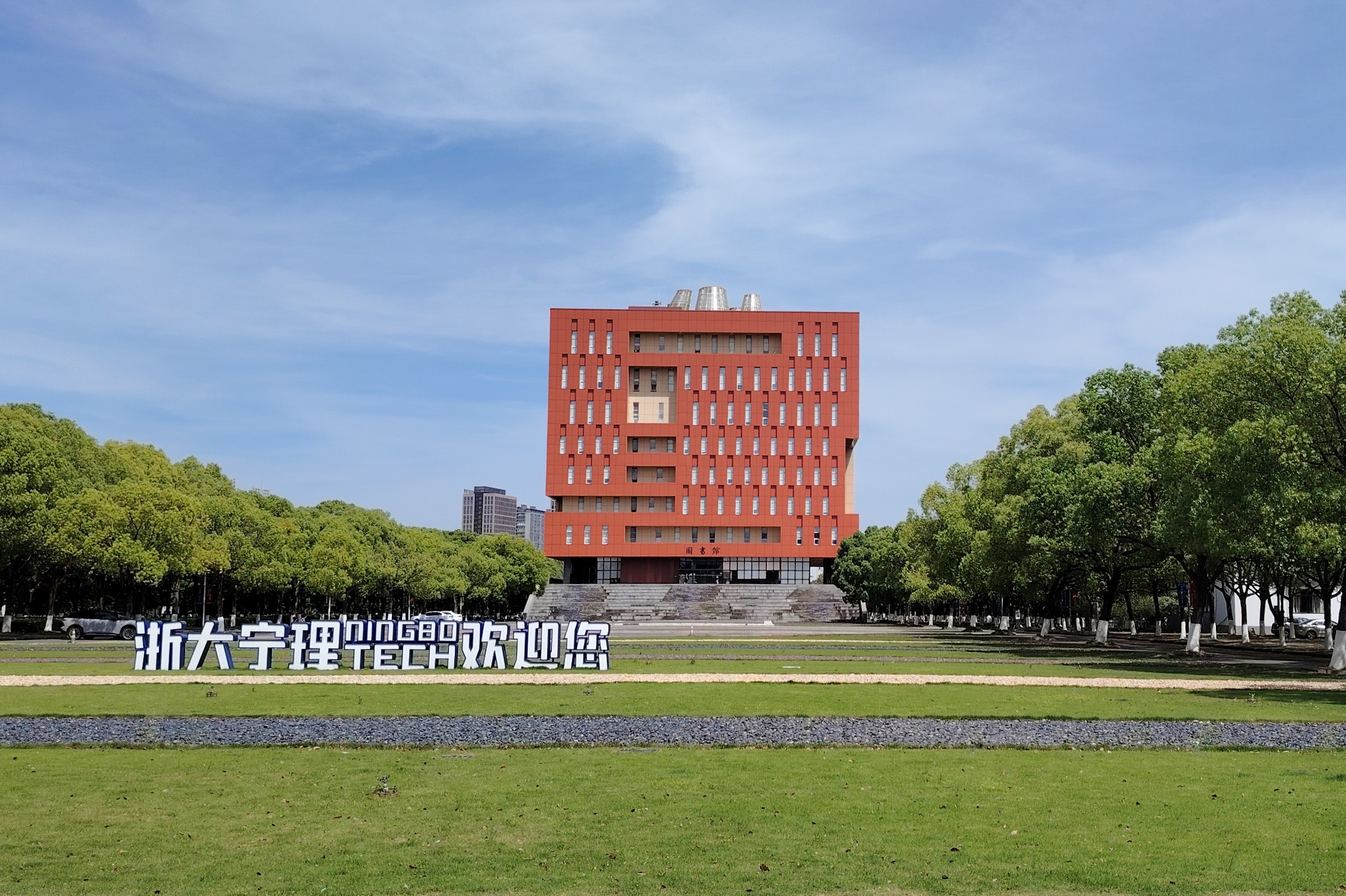

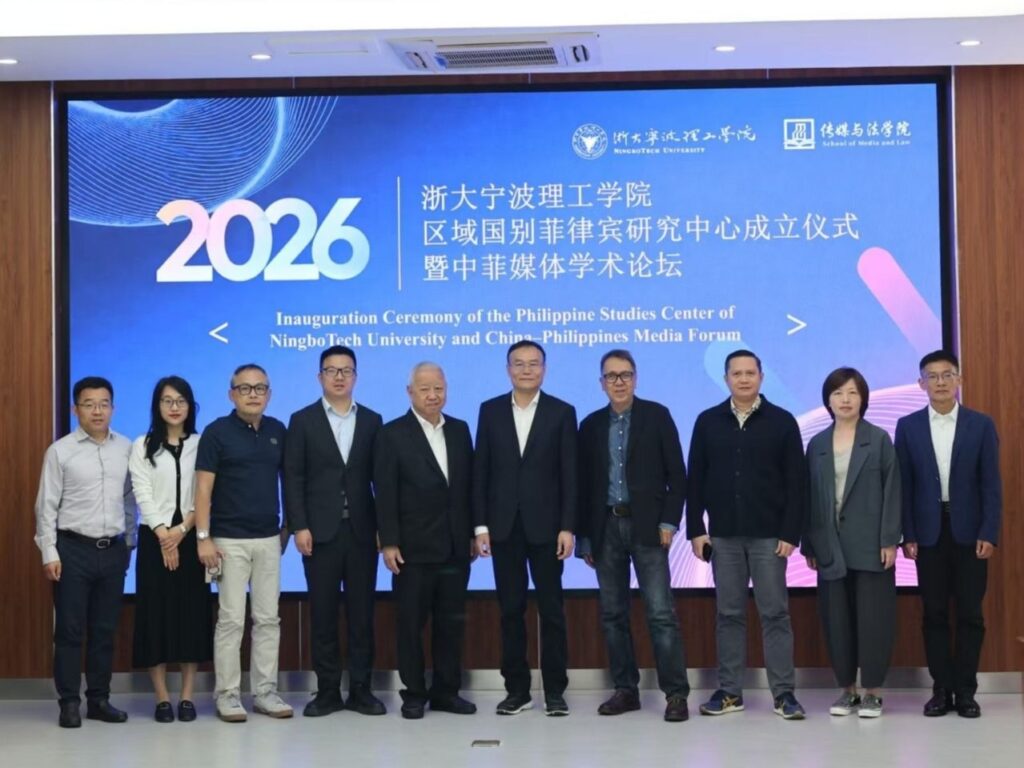
As Chinese universities expand their global reach through cultural and academic exchanges, one technology-focused institution in eastern China is turning to the Philippines for its next wave of educators and students—opening teaching opportunities for Filipinos while launching a Philippine Studies Center aimed at strengthening people-to-people ties.
NingboTech University in Ningbo, Zhejiang province, is finalizing plans to hire Filipino educators as part of a new academic initiative under its School of Media and Law, according to the Federation of Filipino-Chinese Chambers of Commerce and Industry Inc. (FFCCCII), whose representatives and several Manila-based journalists were invited to witness the launch of the program.
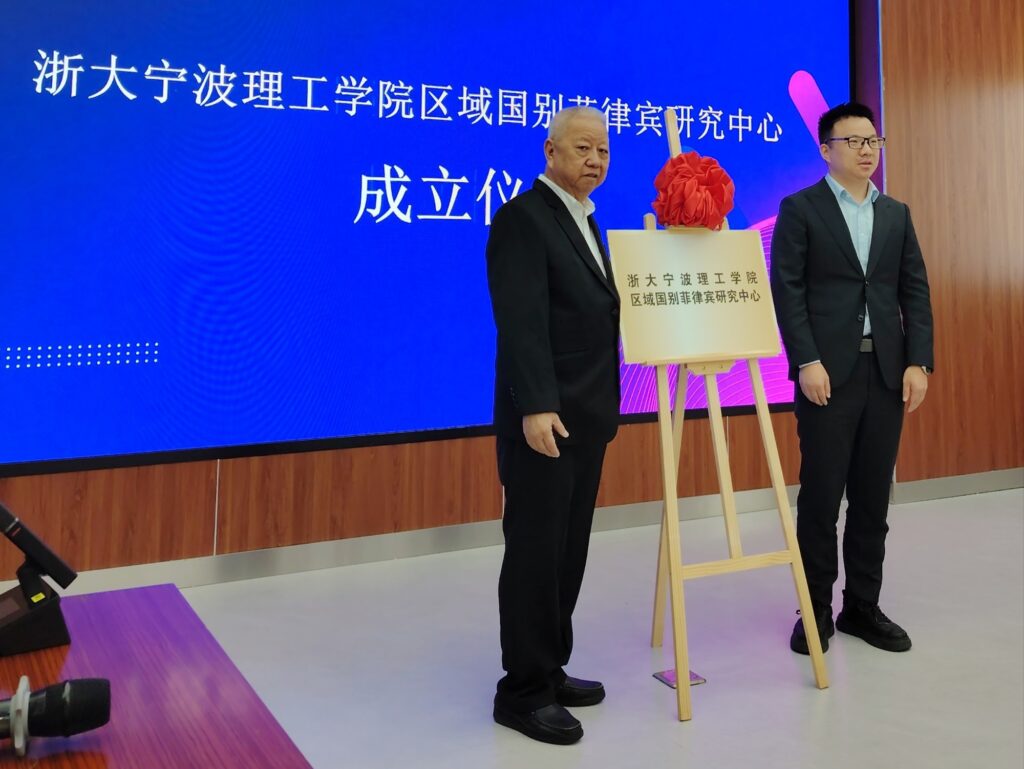
“This institution is soon opening its doors to Filipino teachers as a gesture to promote the good relationship of the two countries being friendly neighbors,” said George Chua-Cham, chairman of the FFCCCII Committee on Government Affairs and Legislative Liaison, during the event.
The move comes as Chinese universities increasingly compete to attract foreign students and faculty, particularly in technology, medicine, and international business programs taught in English. NingboTech officials said discussions were also under way with Philippine educational institutions for possible internship tie-ups, potentially creating a new academic pipeline between the two countries.
“We already have students and trainees from different nationalities, including Morocco and Pakistan, but we would be even more proud to welcome Filipinos who will study and train here,” said Cheng Meng, deputy dean of the university’s International College.
Founded in 2001 as the Zhejiang University Ningbo Institute of Technology, NingboTech University was formerly affiliated with Zhejiang University before becoming an independent public university under the Ningbo Municipal People’s Government in 2020. The university has since expanded into a multidisciplinary institution with 11 secondary schools and more than 35 undergraduate programs, focusing heavily on engineering, science, and liberal arts while maintaining close academic ties with Zhejiang University, one of China’s most prestigious institutions.
NingboTech offers programs in International Economics and Trade, Clinical Medicine, Computer Science and Technology, and Software Engineering, among others, with English used as one of the primary languages of instruction. University officials said details of the hiring program for Filipino teachers—including qualifications and compensation package—were still being finalized.
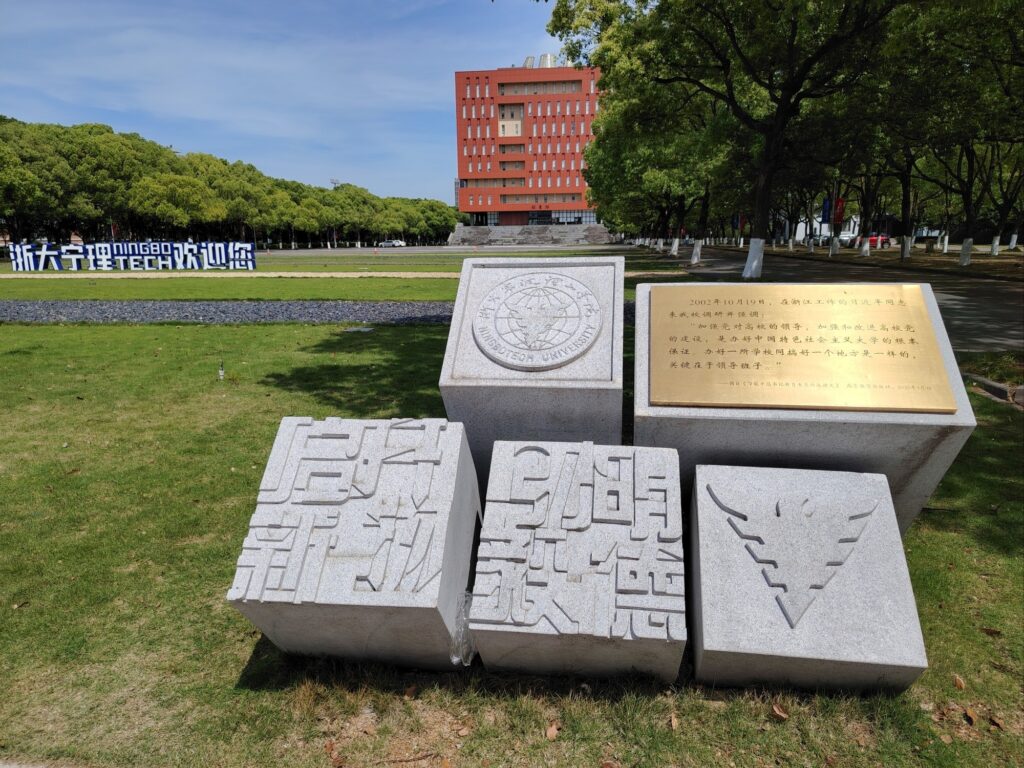
The university is among the respected higher education institutions in Zhejiang, one of China’s major economic and technology hubs, and forms part of a broader academic ecosystem that has become increasingly international in recent years. Nearby Zhejiang University, regarded as one of China’s largest and most prestigious universities, already hosts around 15 Filipino students taking various degree programs, according to Yin-Chang Chen, a professor at Zhejiang University, where he also serves as director of the Network and Social Governance Research Institute.
For Filipino students considering China as a study destination, NingboTech is positioning itself as a lower-cost but globally connected alternative to universities in Beijing or Shanghai. A recent university survey of international students showed that 64.52% of respondents were studying under university scholarships, while only 9.68% were self-funded, underscoring the institution’s heavy financial support for foreign enrollees.
The survey also suggested that affordability and convenience were major draws. More than 45% of respondents gave high ratings to the city’s living subsidies and cost-effectiveness, while 54.84% gave the highest score for transportation and payment convenience. Visa and residence permit processing also received strong marks, with 41.94% giving the highest rating.
Safety emerged as one of Ningbo’s strongest selling points. Nearly 68% of respondents gave the highest possible rating when asked about public security and safety in the city, while 38.71% highly rated the environment and climate. More than a third described Ningbo as an international and foreigner-friendly city.
The university’s international profile is also expanding. Of the students surveyed, 51.61% came from Asia and 48.39% from Africa, while almost 94% said they were not of Chinese descent, reflecting China’s broader push to attract a more diverse international student population. Most respondents were aged between 19 and 22, and 87.1% were undergraduates.
Students also cited cultural exposure as a major attraction. More than 41% gave the highest rating for interest in Chinese culture, food, and lifestyle, while many pointed to cross-cultural activities and exchange opportunities as reasons for studying in Ningbo.
The university’s facilities have also become part of its appeal. Officials highlighted its modern campus infrastructure, including what is said to be the world’s largest campus cafeteria—a three-storey complex with a dedicated halal food section catering to international students.
Accessibility from the Philippines is also improving. Starting May 20, Xiamen Airlines will launch four weekly direct flights between Hangzhou Xiaoshan International Airport and Ninoy Aquino International Airport every Monday, Wednesday, Friday, and Sunday, making travel to Zhejiang province more convenient for Filipino students, interns, and visiting faculty exploring academic opportunities in Ningbo and nearby universities.
Stay updated—follow Philippines Today on Facebook and Instagram, and subscribe on YouTube for more stories.