“Dalifornication” is the kind of phrase that sticks because it captures a cultural mood as much as a place. The Economist’s recent description of young Chinese “Dalifornia dreamin’” has turned the ancient city of Dali in Yunnan into shorthand for a broader economic and social shift.
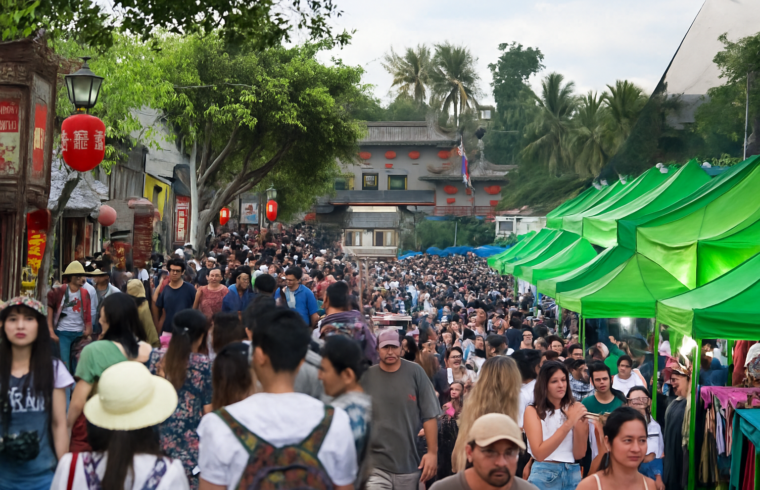
Once a quiet refuge for backpackers, Dali now swells with budget-conscious travelers from China’s younger and less affluent demographics. What used to be a bohemian stopover is turning into a crowded proving ground for the country’s emerging low-income leisure class.
This pattern feels familiar to anyone watching tourism in the Philippines. The past decade saw Siargao, La Union, and El Nido move from laid-back escapes to congested hot spots that struggle with infrastructure, water supply, and waste. Baguio faced similar pressures long before Instagram amplified every sunset and café façade. Dali’s story, though set in China’s southwest, aligns closely with what happens when a destination’s charm is discovered faster than it can be protected.
The broader economic context also matters. Even as wealthier Chinese hold back on discretionary spending, domestic tourism has rebounded with force. China’s travel and tourism sector is forecast to reach a record 13.7 trillion yuan (US$1.93 trillion) in 2025, according to the World Travel & Tourism Council. The first three quarters of the year saw nearly 5 billion domestic trips, with spending reaching 4.85 trillion yuan (US$684 billion), reported by Global Times.
The revival is real, though not evenly distributed. Dali’s popularity stems from affordability. As The Economist notes, “Whereas rich Chinese are saving, low earners are splurging what they’ve got.”
Visitors who arrive for the cheap hostels, slow mornings by Erhai Lake, and months-long stays often contribute little beyond foot traffic. One merchant complains that too many come only to “bai piao,” or freeload. Yet the crowds keep growing. Restaurateurs, guesthouse owners and tour operators all report that this past summer was the busiest they had ever seen.
The city’s laid-back rhythms, once its main appeal, now strain under the weight of sheer numbers. It is the same quiet stress that built up in places like Siargao when its surf-town identity gave way to traffic, rising rents, and overflowing tricycles.
The Philippines may not have a “Dalifornia,” but the forces shaping Dali are the same forces reshaping many of its destinations. Affordable travel has widened access to mobility, especially for younger workers who find escape in short itineraries and budget accommodations. They seek authenticity, but they also arrive in numbers that transform the very spaces they hope to enjoy. Local governments often celebrate visitor surges without the hard planning needed to keep these places livable for residents.
Dali’s story shows how much the future of tourism will be shaped by travelers who spend carefully yet move frequently. In both China and the Philippines, this group is expanding and redefining expectations. The question is whether destinations can welcome them without erasing what made them worth visiting. The fear in Dali is that it may be turning from an idyllic lakeside retreat into another overrun hotspot. The Philippines has already lived that cycle more than once.
Dali is still beautiful. So are Siargao, Baguio, and countless islands and towns across the Philippines. But beauty alone may not survive the pressure of crowds chasing a dream of living simply and spending little.
The phenomenon of “Dalifornication” should remind policymakers that tourism needs balance rather than volume, and that affordability should not come at the cost of identity. As more travellers seek refuge from the anxieties of modern life, destinations must decide what kind of refuge they can realistically offer and for how long.
Follow PHILIPPINES TODAY on Facebook and Instagram, and subscribe on YouTube for the latest updates.