
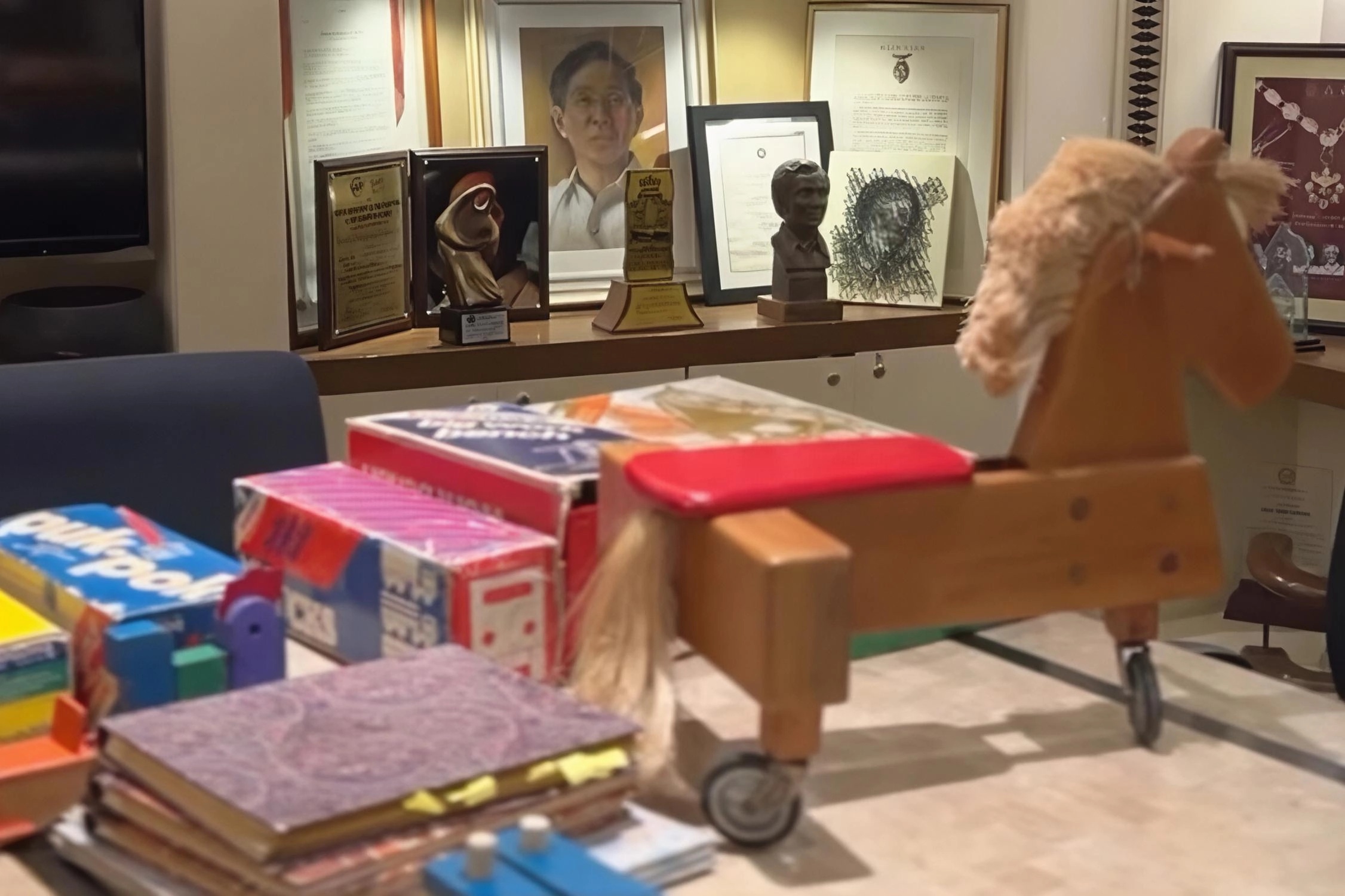

Before he became a National Artist for Architecture, Francisco “Bobby” Mañosa was designing toys—and, for a time, quietly shaping a generation of Filipino childhood.
In the early 1960s, long before landmarks like the Coconut Palace or the EDSA Shrine defined his legacy, Mañosa was crafting wooden playthings under a homegrown brand that would grow into an established toy manufacturer in the Philippines.
Known as “Bobi Toys”, the venture blended design, culture, and childhood curiosity—an unlikely prelude to a career that would later redefine Filipino architecture.
What began as an experiment in creativity and family life became a short-lived but influential chapter, one that his son, Angelo “Gelo” Mañosa, now revisits as both personal memory and design origin story.

“Many know my father for his works as an architect, being a national artist and doing a lot of iconic works. But not many know that in the beginning, he also was a toy designer,” said Gelo Mañosa, chief executive of Mañosa & Co., in a video post on social media.
The revelation reframes the early career of Francisco Mañosa, who would later be named National Artist for Architecture in 2018. Before pioneering neo-vernacular design and championing indigenous materials, Mañosa was building a business rooted in something more intimate: play.
“In particular, the company that was created called Bobi Toys. Started off in the early 60s up until the late 70s to some extent, they were the biggest toy manufacturer in the Philippines at the time,” he added.
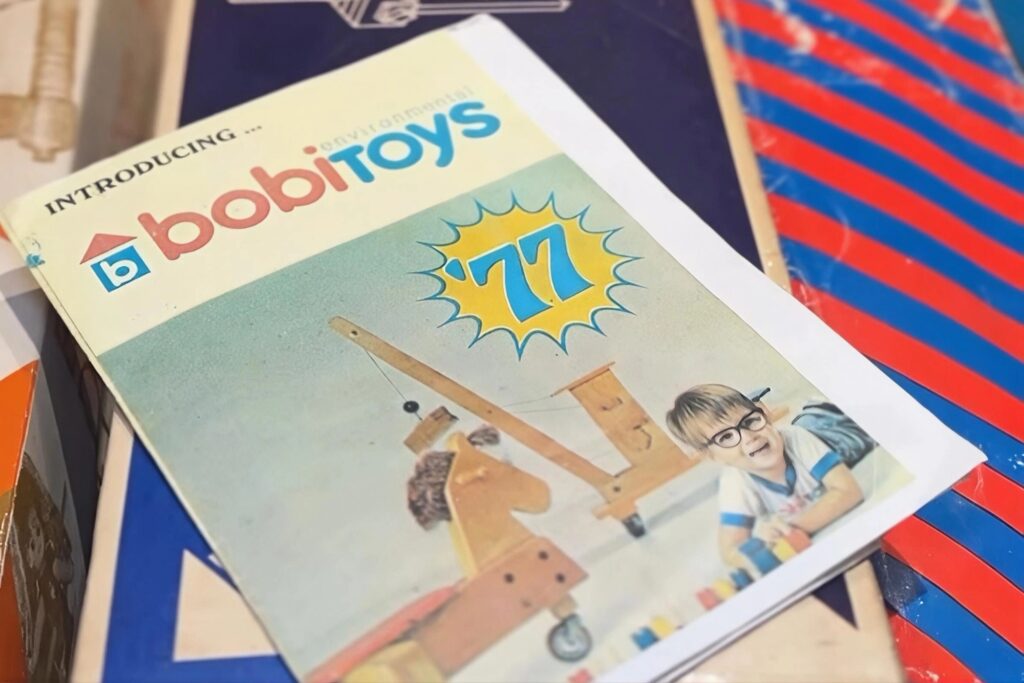
At its peak, Bobi Toys was not merely a novelty operation but a significant player in the local industry. Its products stood apart for their material and philosophy—handcrafted wooden toys described then as “environmental toys”, long before sustainability became a global design imperative.
“So they were all wooden toys. They were called environmental toys at the time. But a lot of the toys were still deeply rooted into our local culture.”
The toys themselves reflected everyday Filipino life. There was the “tipaklong”, a wooden grasshopper that produced sound when moved; miniature wooden rocking horses, toy roosters, and sari-sari stores complete with improvised goods; and “Bambi” dolls— a line of locally made dolls—among others, playful yet culturally grounded objects that mirrored the environments children knew.
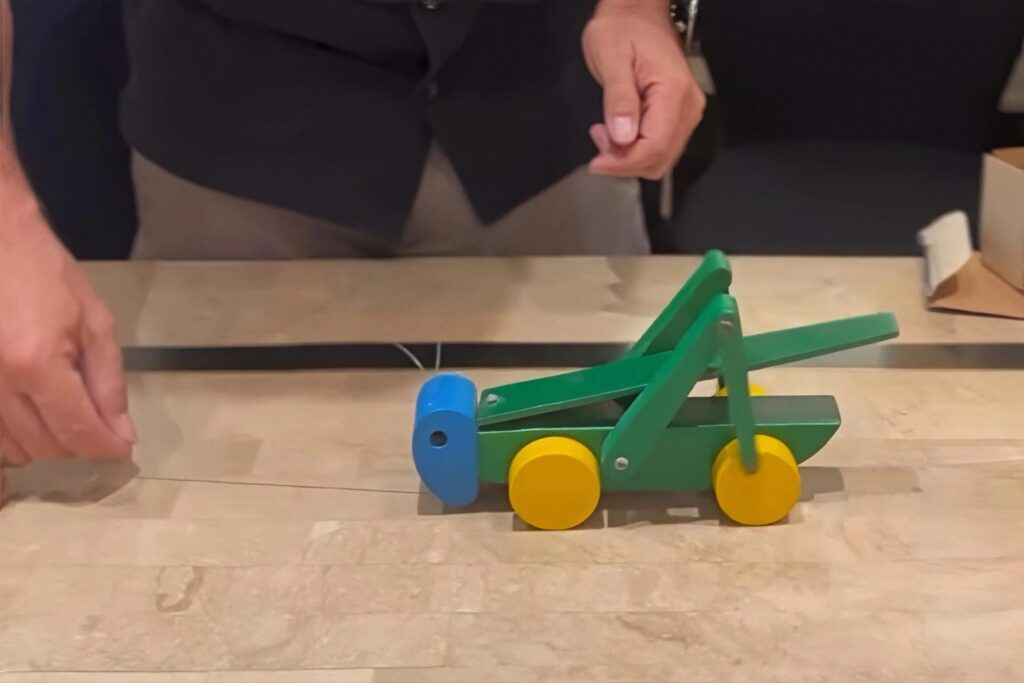
“So this is the tipaklong. As you start moving it quicker, it starts making a sound. This was one of the favorites, like a sari-sari store. You could put any old bottles and shampoos and things of the sort.”
Distribution, too, carried a sense of place. The toys were sold through a dedicated retail space called Dimples, located in Makati’s old commercial district.
“In order to sell these toys, we actually had a toy store. And the toy store was called Dimples… And this was in the old Tesoros Makati building, which I believe today is where Quad stands.”
What distinguished Bobi Toys further was its design process—one that echoed methods Bobby Mañosa would later apply in architecture. His children were not just observers but participants, offering feedback that shaped the products themselves.
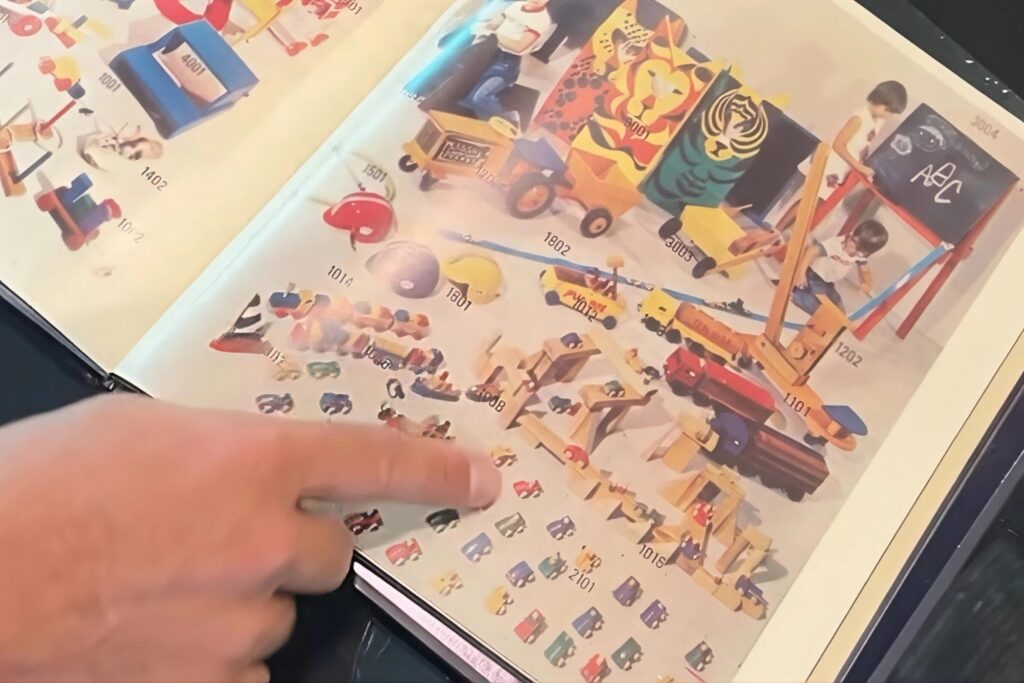
“One of the nice things that dad would always look at as well is he would follow the toy designs based on the way we were growing up and what we found interesting… He would ask us, do you like the toy? And we would say, well, it would be nicer if the hook could swing. And so they would end up using that as part of research,” he recalled.
The approach—iterative, user-driven, and rooted in lived experience—foreshadowed his later architectural philosophy, often described as an “architecture of identity”. Even then, the seeds of a design ethos grounded in people and place were already visible.
Bobi Toys also reached beyond Philippine shores, with exports that signaled both ambition and demand.
“All these different toys, they would go to Germany and the orders were just mind-blowing at the time.”
But the rise of plastic manufacturing in the late 20th century reshaped the industry. Faster, cheaper production quickly overtook handcrafted wooden toys.
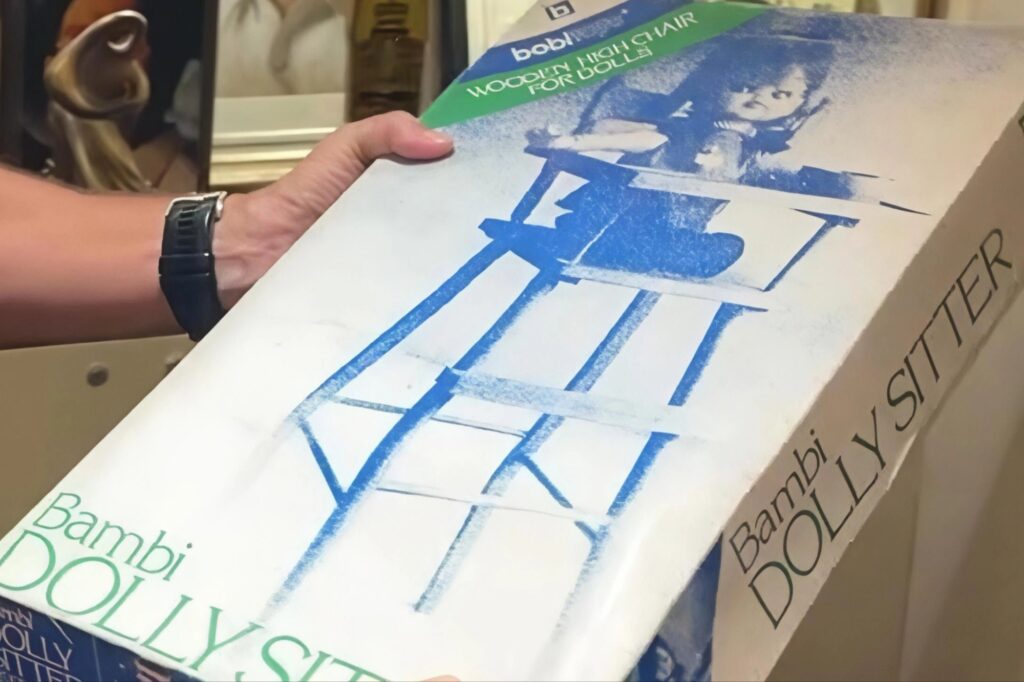
“The Bobi Toys era actually worked extremely well up until the advent of plastic toys. Things were being made cheaper, quicker. Plastic toys pretty much killed the wooden toy.”
As the business declined, Mañosa’s focus returned fully to architecture—the discipline that would eventually define his legacy across more than six decades. But the influence of his toy-making years did not disappear; it evolved.
“This was really an era in my father’s life. And I believe that it was tied in with us as kids growing up. When we became adults, this whole era faded away and his architecture became his number one love.”
Elements of Bobi Toys would resurface in unexpected forms, particularly in spaces designed for children. One such example is the Bahay Pukyutan playground at Museo Pambata, where play, structure, and cultural imagination intersect.
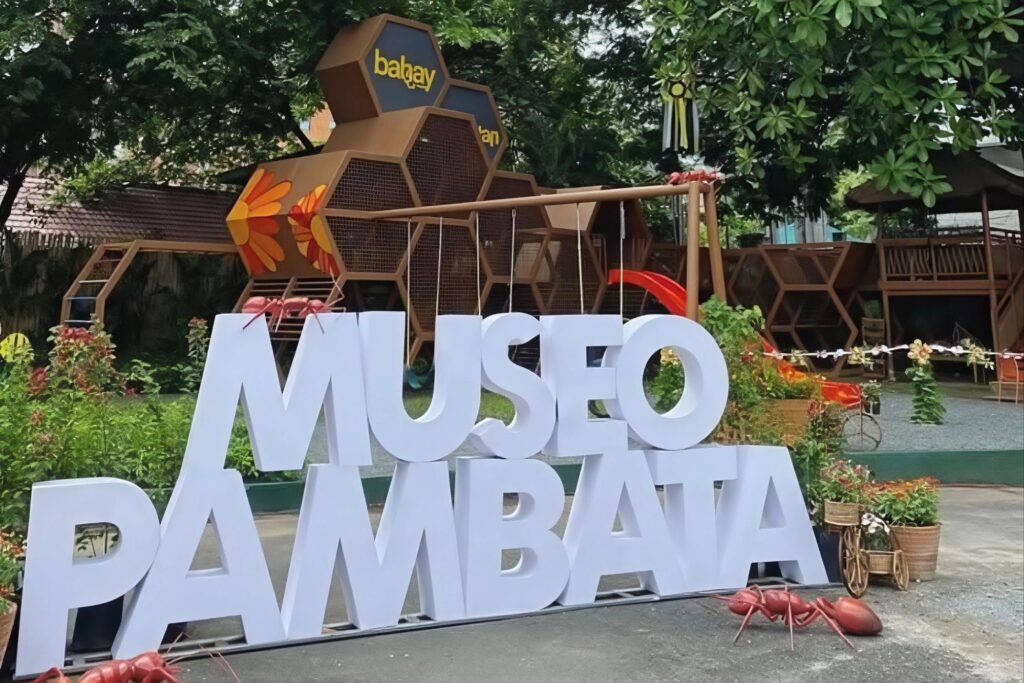
“Some of the stuff that we did in Bobi Toys actually translated to certain things that we did in playgrounds. If you go to Museo Pambata, Bahay Pukyutan playground was an original design way back when, but it’s pretty much from that same era, during the Bobi Toys era. So if you have the chance, visit Museo Pambata. You’ll see the playground design.”
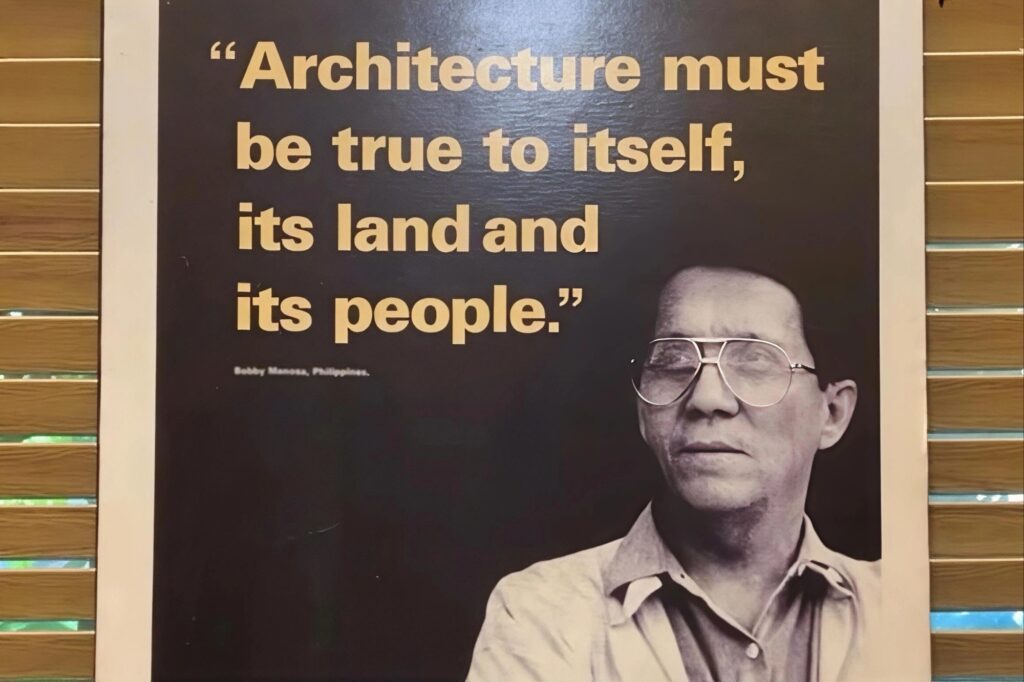
Today, Bobby Mañosa is remembered for monumental works that articulate Filipino identity in built form. But as this lesser-known chapter reveals, his architectural language did not emerge in isolation. It was, in part, shaped by the small-scale, tactile world of toys—where culture, function, and imagination first came together in the hands of a designer who would later build for a nation.
Stay updated—follow Philippines Today on Facebook and Instagram, and subscribe on YouTube for more stories.