
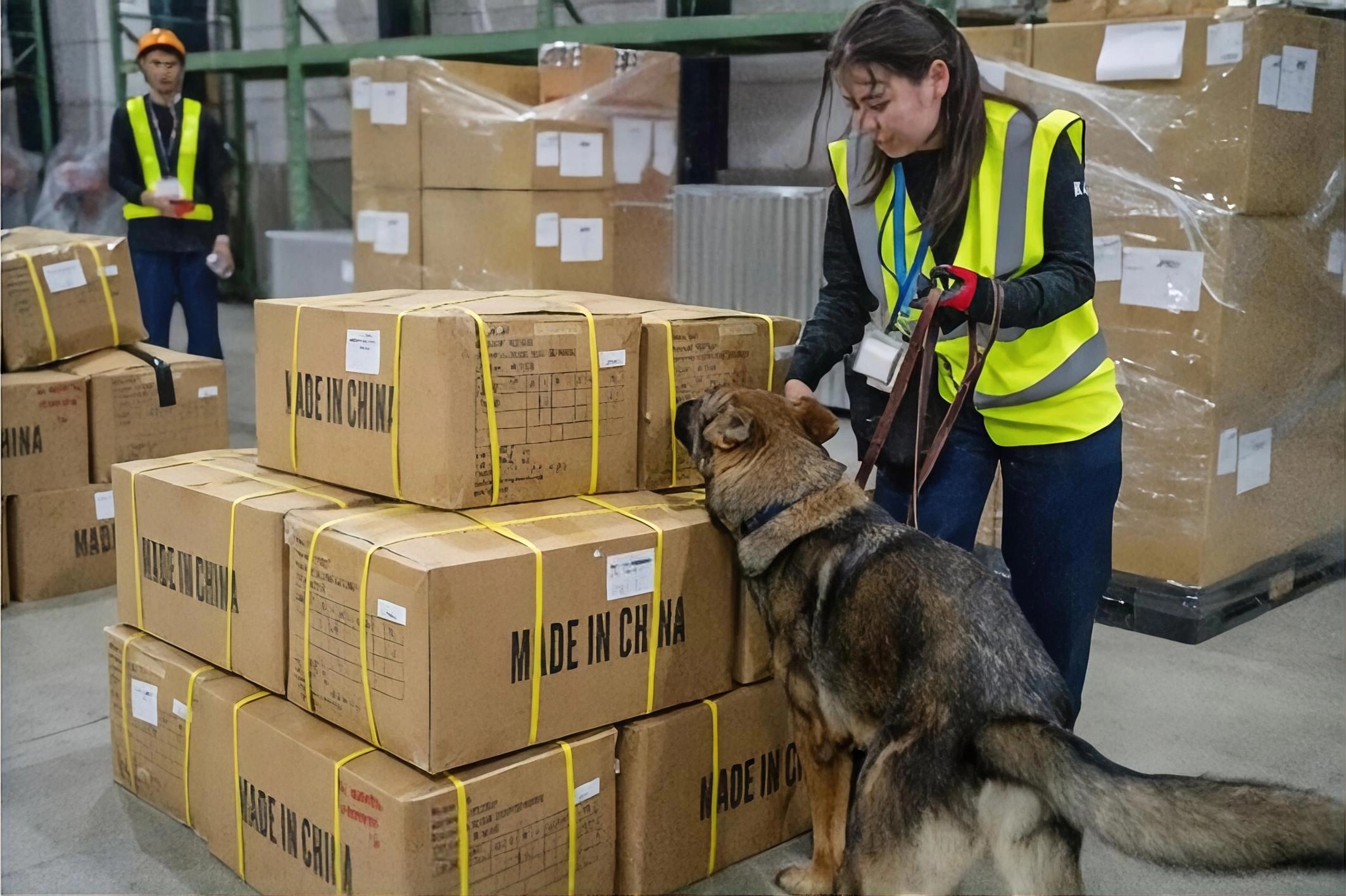

DHL Global Forwarding Japan has launched a new air cargo security screening service using explosives detection dogs (EDD), a move aimed at strengthening aviation security while improving the handling of sensitive and oversized shipments amid increasingly stringent regulatory requirements.
The service became effective on May 25 and adds another layer to DHL’s air cargo security capabilities in Japan. The logistics company said the initiative is designed to enhance screening efficiency without compromising the integrity of shipments, particularly cargo that may be difficult to inspect using conventional methods.
As global air cargo security standards continue to evolve, logistics providers are under growing pressure to adopt screening solutions that balance regulatory compliance with operational efficiency. DHL Global Forwarding Japan said it has been introducing additional screening methods to complement and, when appropriate, replace traditional explosives trace detection (ETD) and X-ray screening procedures.
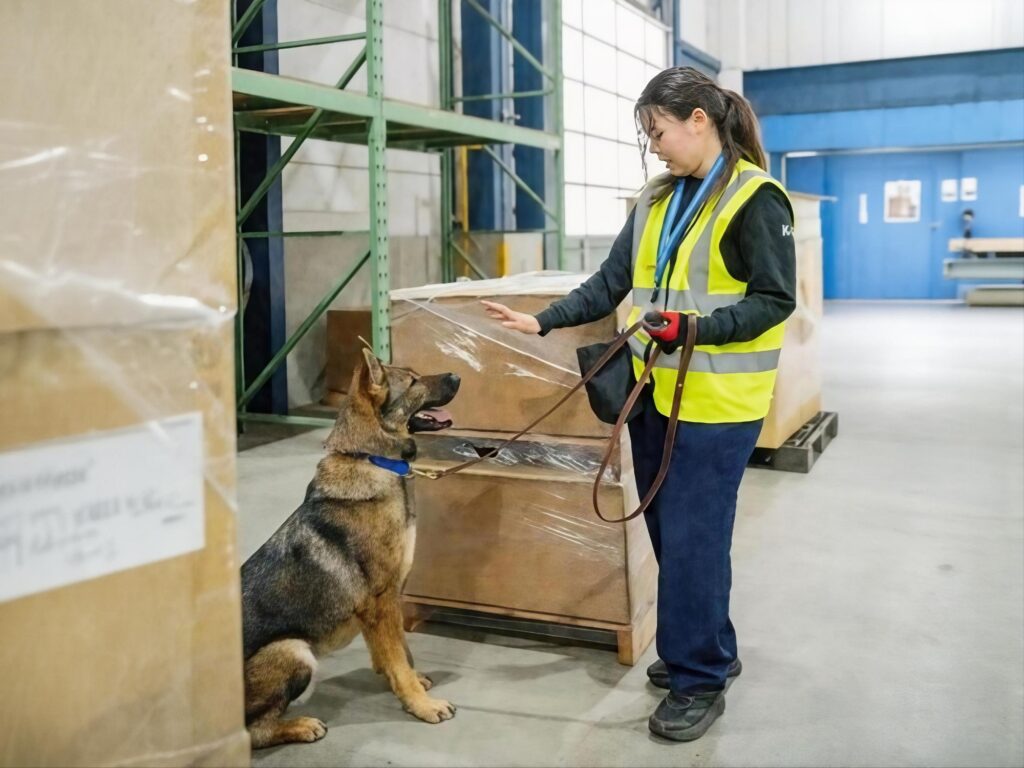
EDD screening allows specially trained K-9 teams to inspect large volumes of cargo quickly and effectively. The method is particularly valuable for sensitive shipments that could be affected by physical handling or exposure to conventional screening equipment. DHL said pharmaceutical products, temperature-sensitive goods, and certain high-value cargo can benefit from the process because screening can be conducted without opening or disrupting shipments.
The service also addresses challenges associated with large industrial and capital equipment shipments that may exceed the size limitations of conventional scanners. By providing an alternative screening method for such cargo, DHL aims to maintain logistics speed while meeting security requirements.
“With the introduction of EDD screening, we are enhancing both the security and efficiency of our air cargo operations. This solution allows us to maintain the speed and integrity of our customers’ shipments, particularly for sensitive cargo such as pharmaceutical products, while meeting increasingly stringent security requirements. It also enables us to better serve our capital equipment customers whose cargo often cannot be accommodated by conventional scanners. Ultimately, it reinforces our commitment to delivering reliable, compliant, and high-quality logistics services tailored to our customers’ needs,” said Karsten Michaelis, chief executive of DHL Global Forwarding North Asia.
The rollout follows more than a year of preparation involving DHL Global Forwarding Japan, Allied Universal, and DHL’s aviation security leadership in the United States. Since early 2025, the organizations have worked together to develop the operational framework needed to deploy EDD screening services in Japan and ensure compliance with regulatory standards.
As part of those preparations, handlers from Sanko Total Service Co. Ltd. (STS) traveled to the United States to undergo specialized training. DHL said the training helped establish the expertise and operational readiness required to effectively implement and manage the new screening program.
The initiative is being carried out through a strategic partnership involving STS and MSA Security, an Allied Universal company. Under the arrangement, TSA-compliant K-9 teams will provide EDD screening services in Japan using a method recognized by the Japan Civil Aviation Bureau (JCAB).
The regulatory milestone came on April 27, 2026, when JCAB officially announced STS as an approved EDD screening provider. DHL Global Forwarding Japan subsequently entered into a formal agreement with STS to deploy the service across its air cargo operations.
DHL said EDD screening will be used alongside conventional security measures when appropriate, ensuring that shipments receive the most suitable form of inspection based on cargo characteristics and operational requirements. By combining multiple screening methods, the company aims to further strengthen aviation security, support supply chain efficiency, and provide customers with greater flexibility in moving goods through global trade networks.
Stay updated—follow Philippines Today on Facebook and Instagram, and subscribe on YouTube for more stories.