
The afternoon slump has become prime snack time in the Philippines. Whether it is bread before a long commute, biscuits at the office, or a quick treat between lunch and dinner, Filipinos are reaching for snacks more often than almost anyone else in the world—and increasingly choosing options that promise both energy and nutrition.
The Philippines has emerged as one of the standout markets in the 2026 State of Snacking report by Mintel, Mondelēz International, and Black Swan Data, which surveyed consumers across 13 global markets. The findings show a nation where snacking is no longer an occasional indulgence but a daily ritual shaped by busy schedules, long travel times, and growing health awareness.
Among the markets surveyed, the Philippines ranks third, behind Indonesia (27%) and France (25%), for afternoon indulgent snacking, with 23% of consumers reaching for a snack between lunch and dinner. That puts Filipinos ahead of India (19%), the United States (17%), and China (15%). Evening snacking is also common in the Philippines, although it still trails markets such as Canada, the United States, and Australia, suggesting there is still room for growth.
The country’s snacking habit is remarkably consistent throughout the day. Only 5% of Filipinos skip morning snacks and another 5% skip afternoon snacks, tying India for the lowest daytime skip rate among all markets surveyed. By comparison, 39% of consumers in Germany skip morning snacks, while the figure rises to 43% in France.
What sets Filipino snackers apart is not just when they snack, but why.
The report found Filipinos are the world’s top consumers of energy-boosting morning snacks, with 37% saying they snack to keep going through the day. They edged India (36%), Indonesia (35%) and Mexico (35%), while the U.S. lagged at 24%. The Philippines also ranks among the leading markets for afternoon snacks that provide an energy lift.
“Consumers are finding filling snacks. Kailangan nakakabusog. Kailangan makakabigay ng energy kasi marami pa ako gagawin throughout the day,” said Caitlin Punzalan, corporate and government affairs lead at Mondelēz Philippines.
That need for sustained energy extends to snacks that keep people full. The Philippines ranks near the top globally for filling snacks in the morning and ties Brazil for the highest share of consumers looking for filling snacks in the afternoon, reinforcing the role of snacks as fuel between meals rather than just a sweet treat.
Health is becoming just as important as convenience.
The Philippines ranked No. 1 globally for consumers who prioritize snacks with nutritional benefits, with 38% looking for products high in fiber, vitamins, or other nutrients. It outperformed Thailand (37%), China (33%), Indonesia (27%), and Mexico and Vietnam (25%). Filipinos also rank among the top markets seeking snacks with reduced sugar, salt, fat, or calorie claims, behind only China and Mexico.
Despite the shift toward healthier choices, taste remains the biggest deciding factor. Fifty-one percent of Filipino consumers said a snack must be “tasty,” placing the country behind markets such as the U.K., Canada, and the U.S., but ahead of Thailand, China, India, and Indonesia. The findings suggest Filipino consumers increasingly want snacks that deliver both flavor and function instead of choosing one over the other.
The report also reflects a broader global shift in eating habits.
Around 60% of consumers worldwide snack at least once a day, while younger generations are increasingly replacing meals with snacks because they are quicker, more convenient, and often seen as better value. Snacks have also become part of social gatherings, stress relief, and online food trends across major markets.
The State of Snacking 2026 report, based on 2022 consumer data collected by Mintel and Mondelēz International, shows the Philippines stands out because snacking is closely tied to everyday productivity—from powering through work and school to sustaining long commutes and household chores.
That changing behavior is also shaping business decisions.
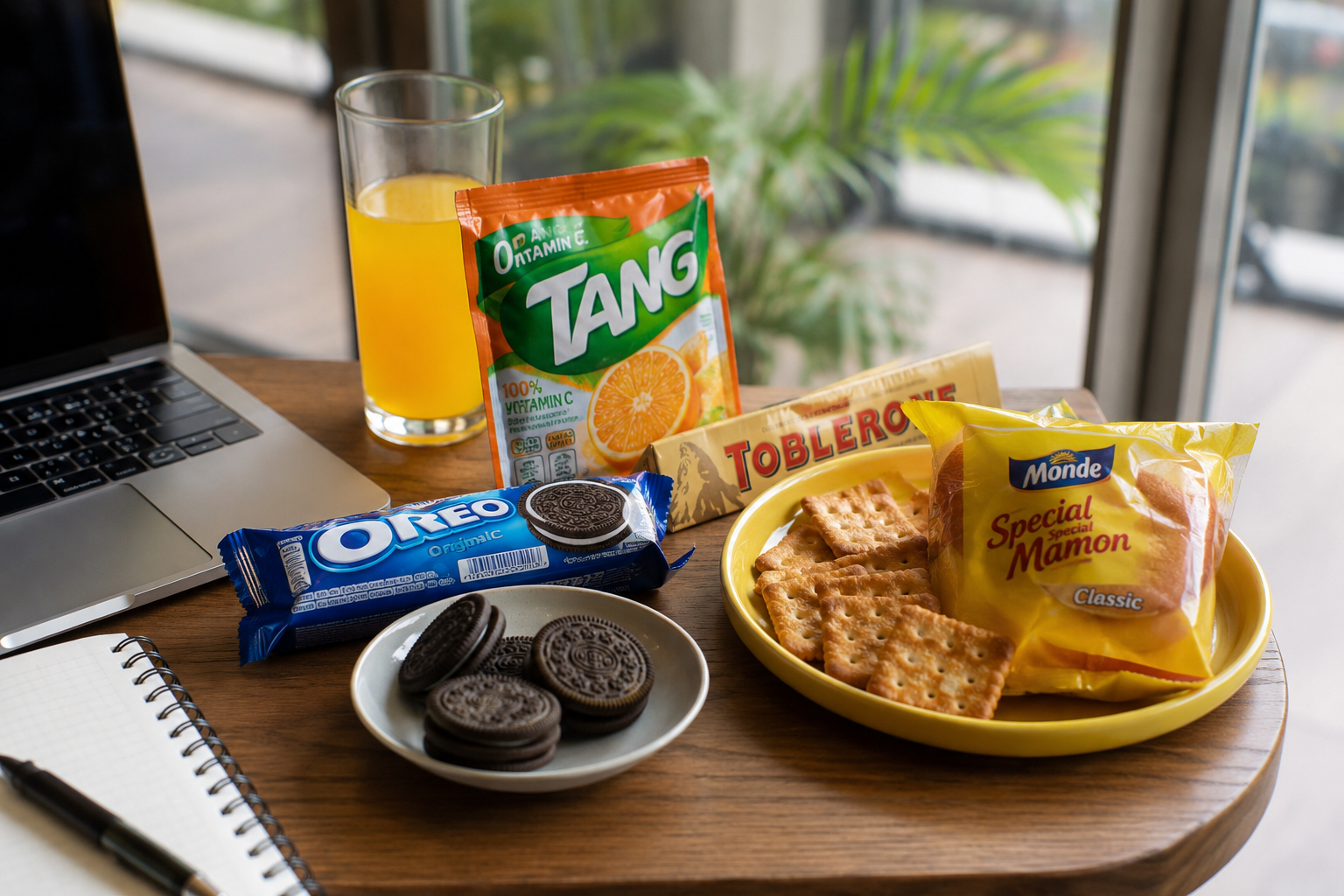
Mondelēz, which owns brands including Oreo, Tang, and Toblerone, said it will continue studying pricing in the Philippine market as the government weighs new regulations, including proposed taxes on sweetened beverages and single-use plastics, that could affect the food industry. The company said it has so far avoided raising prices despite global cost pressures but is monitoring how policy changes could influence consumer demand.
Even after a slowdown in 2025 as consumers shifted to other snack formats, Mondelēz said it remains cautiously optimistic about the Philippine market, describing the country as one with significant room for long-term growth.
The report suggests that the Philippines is not simply snacking more—it is snacking with greater purpose. Filipino consumers increasingly want snacks that fit into fast-paced daily routines while delivering energy, fullness, and nutritional value without sacrificing taste.
As the line between meals and snacks continues to blur around the world, the Philippines is emerging as one of the clearest examples of how everyday eating habits are being reshaped.
Stay updated—follow Philippines Today on Facebook and Instagram, and subscribe on YouTube for more stories.