

Long before a can of sardines reaches a supermarket shelf, a tightly coordinated operation is already underway at sea.
During a visit to Mega Prime Foods Inc.’s manufacturing facility in Batangas, we followed the path of Mega Sardines from the open sea to the production line, offering a glimpse into the technology, logistics, and food safety systems behind one of the Philippines’ most recognizable food brands.
The visit revealed how an integrated network of fishing vessels, processing facilities, and distribution hubs works against the clock to achieve the company’s signature 12-hour catch-to-canning process.

Behind the operation is Mega Global Corporation, a Filipino-owned food and fisheries group founded in 1975. The parent company oversees commercial fishing, can-making, shipbuilding, and cold-chain logistics through its various subsidiaries, including Mega Fishing Corporation (MFC), which manages fishing operations, and the Mega Tiu Lim Foundation, its corporate social responsibility arm.
Its largest subsidiary, Mega Prime Foods, was established in 2022 to consolidate the group’s manufacturing, marketing, and distribution operations. It manages a portfolio that includes Mega Sardines, Mega Tuna, Mega Prime Quality canned goods, Primo Sparkling Juice, and Jimm’s Coffee Mix, bringing products from Mega Global’s integrated supply chain to consumers in the Philippines and overseas.
The Batangas facility serves as a key pillar of that system. Spanning more than 35,000 square meters, the plant manufactures a range of food products under internationally recognized standards, including Food Safety System Certification (FSSC) 22000, Hazard Analysis and Critical Control Point (HACCP), and Halal certifications. Company officials say the facility was designed to meet global specifications while supporting the group’s goal of providing affordable and nutritious food products to Filipino households.
Among the company’s flagship products is Mega Sardines, whose defining feature is its 12-hour catch-to-canning process. The promise sounds simple, but achieving it requires a carefully coordinated operation that begins hours before the fish reach the factory floor.
Preparations start at Mega Global’s shipyard and dry dock facilities, where fishing vessels are serviced and loaded with ice before heading to fishing grounds at sundown.
Out at sea, the operation unfolds through a network of specialized vessels working in sequence.
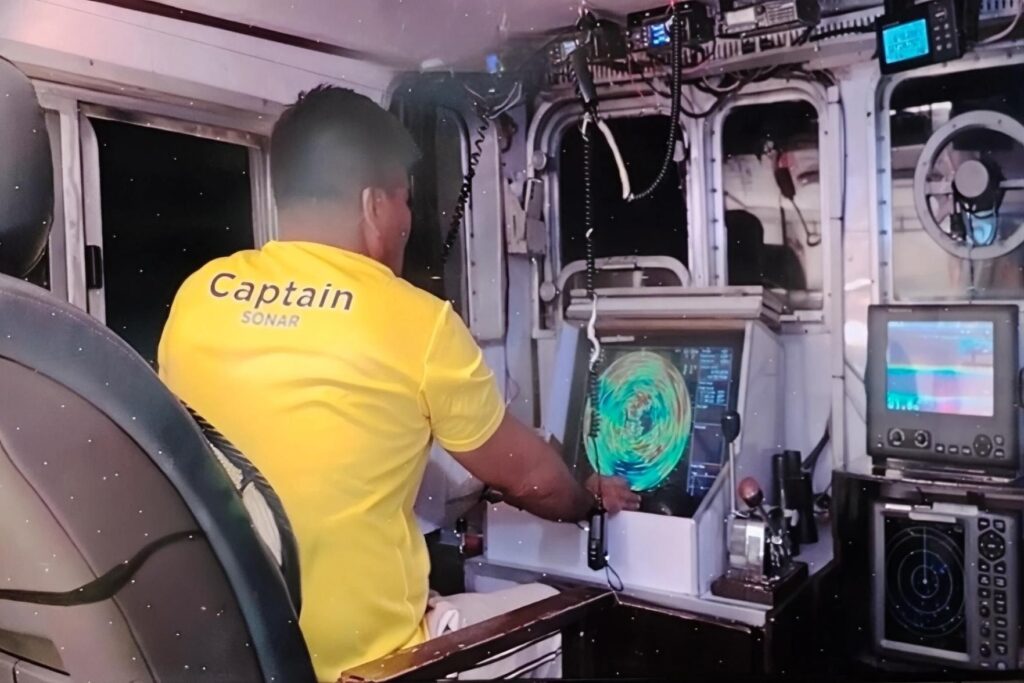
The process begins with a sonar boat equipped with side-scanning sonar technology that scans the waters for healthy schools of sardines. Once a sizeable fish population is detected, a light boat uses powerful green lights to attract and concentrate the fish near the surface.
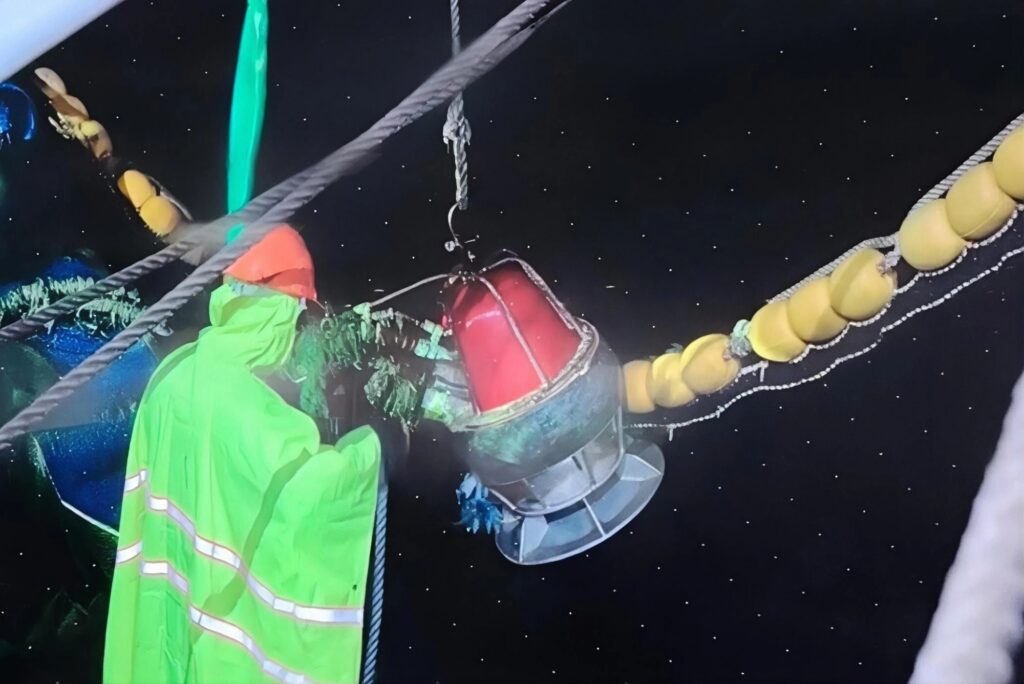
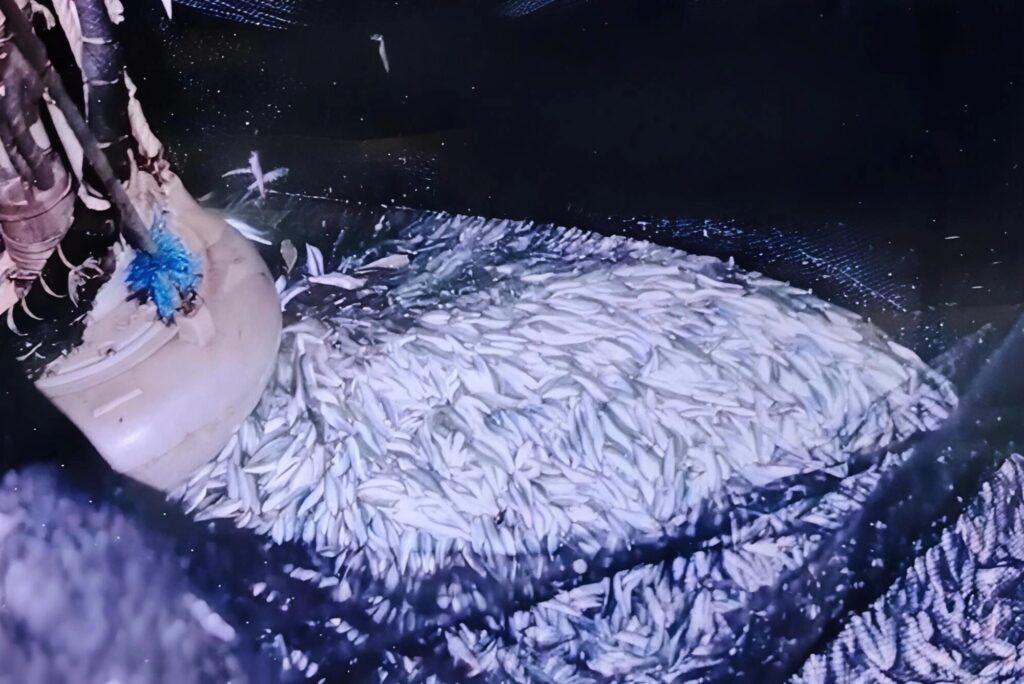
A catcher boat then deploys purse seine nets around the school before gradually drawing them in. The catch is transferred using fish pump technology directly into a carrier boat filled with chilled seawater and ice, reducing loading time from about an hour to just two minutes.
The shorter handling time helps preserve freshness, minimize histamine formation, and reduce the risk of contamination. The fish are kept at near-zero temperatures as they are transported back to shore.
Upon arrival at the fish port, vacuum pumps unload the sardines into holding tanks before they are transported to the Batangas facility, where the next phase of the process begins.
Inside the plant, automation takes over.
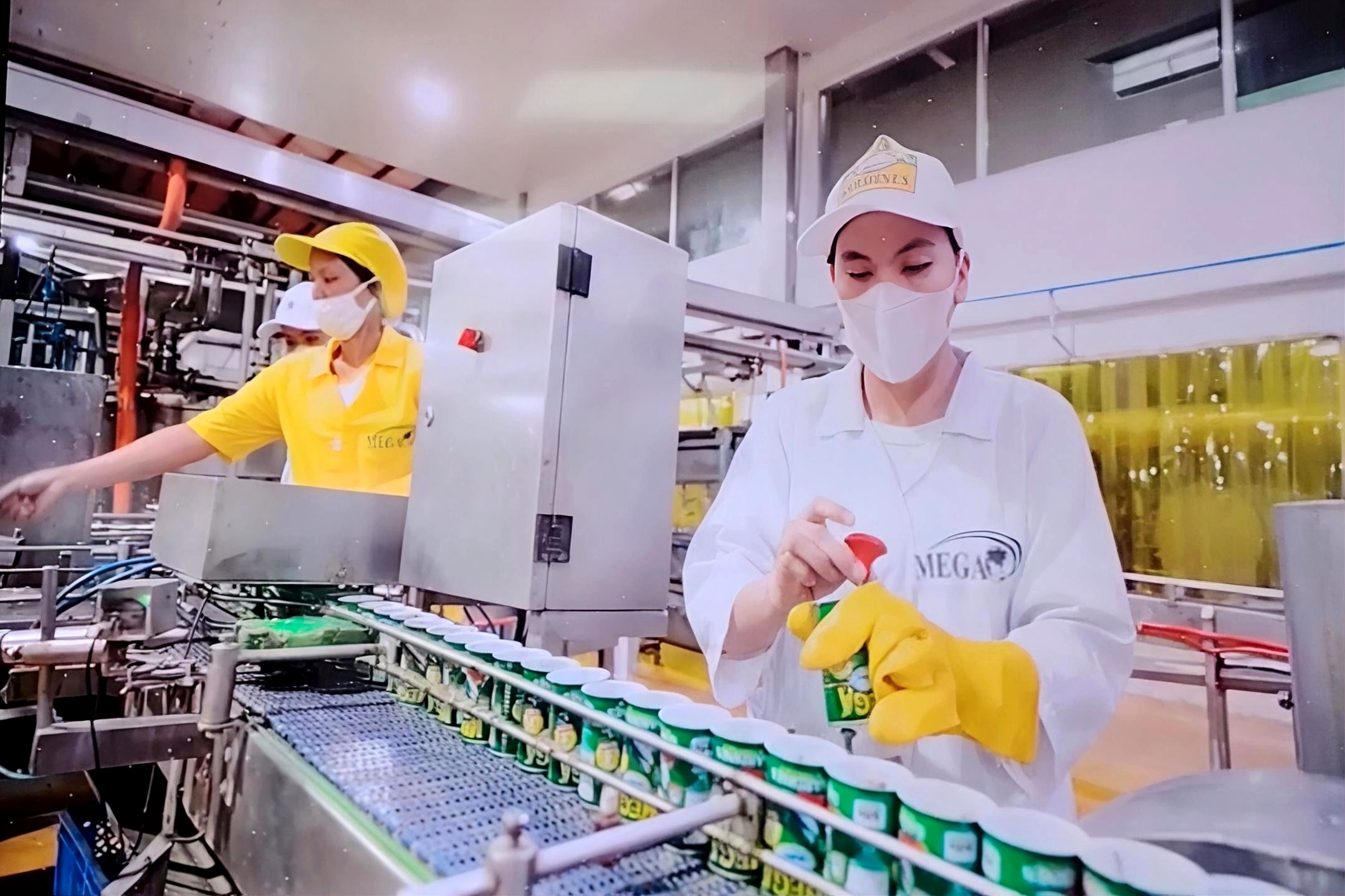
The fish are washed in cold water and pass through conveyor systems that remove scales and prepare them for processing. They are then sorted according to size before entering a machine known as a nobber, which automatically removes the heads, tails, and internal organs with minimal human intervention.
At the same time, empty cans undergo sterilization before being sent to the filling lines. Mega Global also manufactures its own cans, giving the group greater control over quality and supply throughout the production chain.
The prepared sardines are automatically packed into cans and precooked. Excess oils and liquids are removed before the containers are filled with sauce, including the brand’s signature tomato-based recipe.
The cans are then hermetically sealed and transferred to retorts, where high temperatures and pressure sterilize the contents. The process eliminates harmful microorganisms, extends shelf life, and softens the fish bones, making them edible without the need for preservatives.
After cooling, the cans are labeled, batch-coded, and packed for distribution through the group’s logistics network. Packaging is also largely automated, reducing the risk of dents and damage before products leave the factory.
The scale of the operation is considerable. Mega Prime Foods says it produces millions of sardine products daily through facilities in Zamboanga and Batangas, supported by an integrated network that stretches from fishing grounds to retail shelves.
The group has also invested in internationally certified manufacturing systems, responsible fishing practices, zero-waste initiatives, and sustainable energy solutions as it seeks to strengthen food production while minimizing its environmental footprint.
Walking through the Batangas facility, the most striking aspect is not any single machine but the coordination behind the entire operation. Every stage is designed to keep fish moving quickly from sea to can, with little room for delay. The result is a production system that compresses a complex journey into less than half a day, transforming a nightly catch into a product found in kitchens across the country.
Stay updated—follow Philippines Today on Facebook and Instagram, and subscribe on YouTube for more stories.