
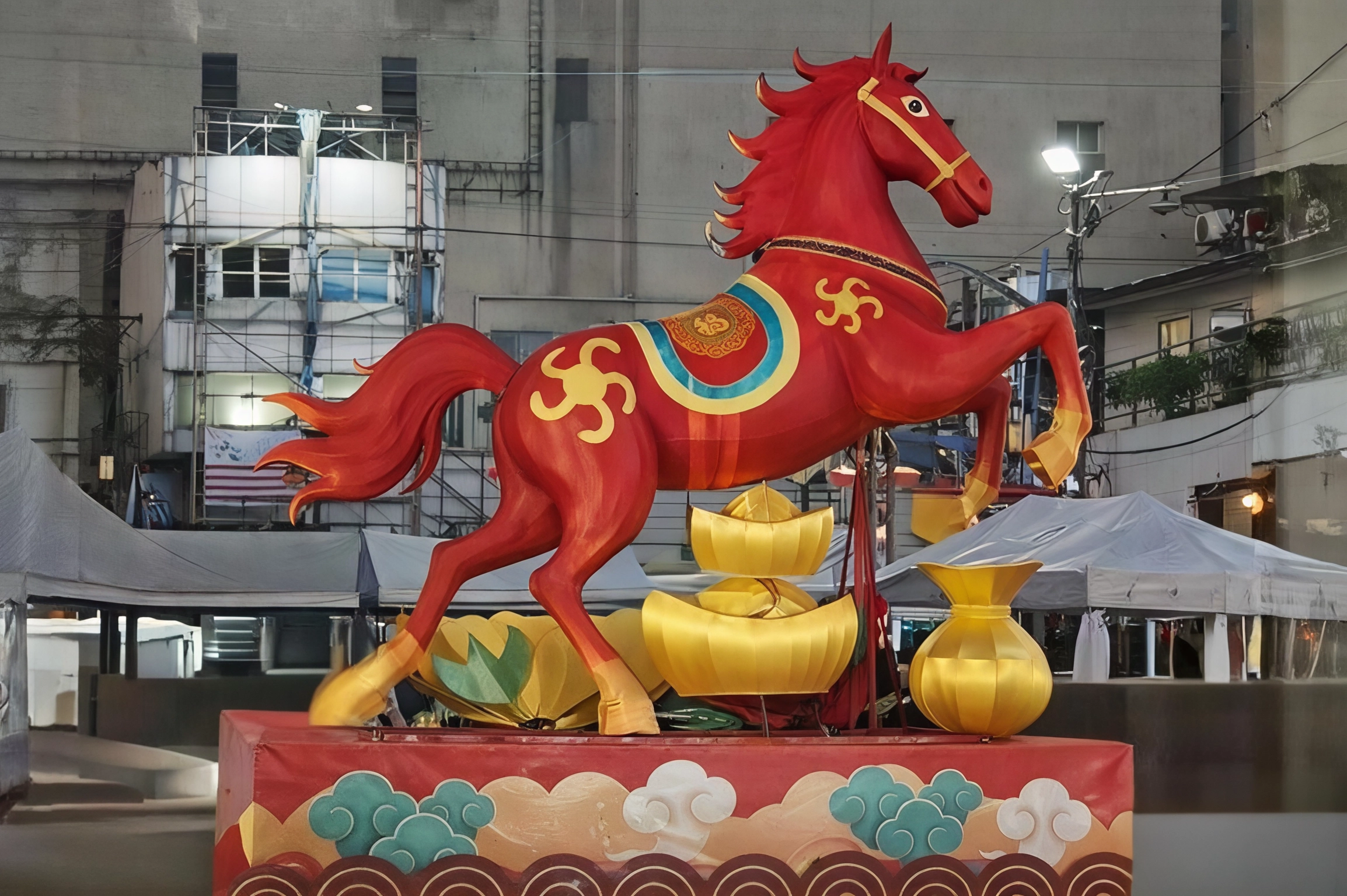

Two flames rise on February 17, 2026—one from the sky, as the first new moon ushers in a new lunar year, and one from memory, as a 60-year celestial cycle returns to a moment many still speak of in hushed tones. For the first time in six decades, the Year of the Fire Horse gallops back into history, carrying with it both ancient myth and the embers of upheaval past.
Lunar New Year, widely considered the most important event in China and among Chinese communities worldwide, opens the 15-day Spring Festival. But 2026 marks no ordinary turn of the zodiac wheel: it is bingwu—the heavenly stem bing (yang fire) paired with the earthly branch wu (the Horse)—a “double fire” year whose last return, in 1966, coincided with the onset of the Cultural Revolution, unleashing political upheaval that transformed China and sent ripples across the region.
The sexagenary ganzhi system—a pairing of 10 heavenly stems with 12 earthly branches—ensures any particular element-animal combination returns only every 60 years, which is why this moment feels both familiar and unprecedented.
In Chinese cosmology the horse is speed and independence; fire is illumination and transformation. Together they hint at a year of rapid change: breakthrough and rupture in the same breath. Astrologers and geomancers stress that personal fortunes will be read against the movements of Tai Sui, the deities whose positions are consulted early in the festival so those whose signs clash may petition protection at temples. Ritual remains the practical application of cosmic calculation.
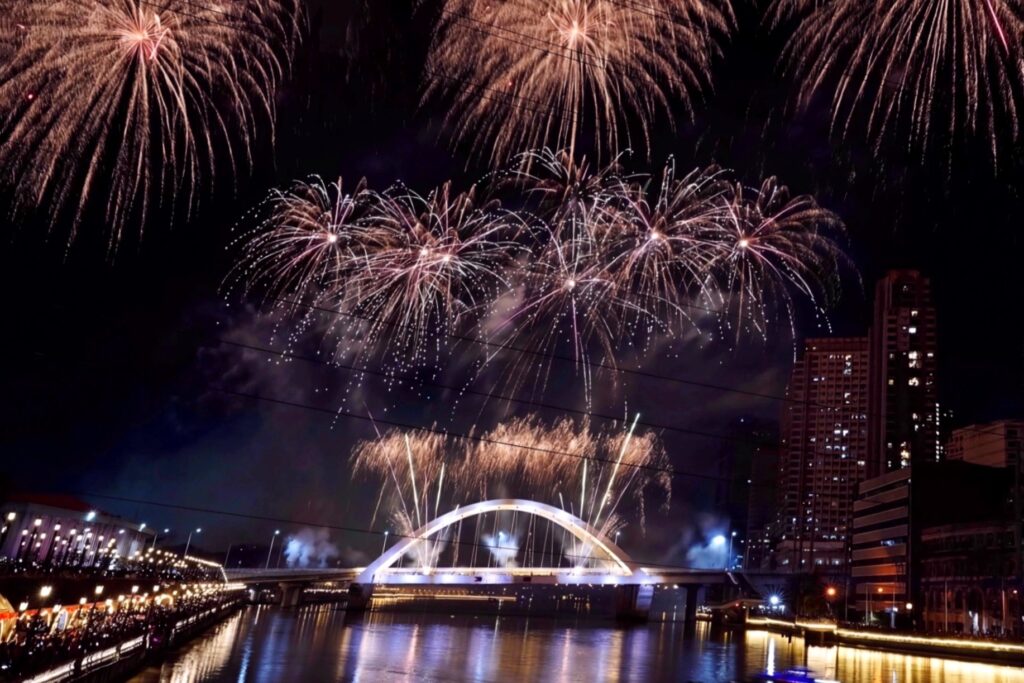
Folklore animates the festival’s visible theater. The myth of Nian—the horned beast that allegedly preyed on villages—explains why red banners, firecrackers, and lion and dragon dances remain central. The old man who drove Nian away by lighting fireworks and draping scarlet couplets turned what might have been panic into performance; every explosion of light is at once celebration and apotropaic act, shooing away darkness and disorder.
Preparations begin days before the new moon. Families steam gao (cakes) and puddings on the 24th of the last lunar month as homophones promise “height” and progress; homes are scoured to remove last year’s bad luck; red chunlian are pasted on doorways; debts are paid; and brooms set aside as the new year arrives. Reunion dinners on New Year’s Eve are heavy with symbolic choices: fish for surplus, dumplings shaped like ingots, and puddings for promotion. Regional difference is part of the festival’s charm—northern households prize dumplings and noodles while southern tables center on rice and sweet puddings.
The festival then unfolds in customary cadence. Married adults hand out hongbao or lai see to unmarried juniors; day three, “red mouth,” is treated warily as a quarrelsome day and often devoted to temple visits; day seven celebrates humanity’s birthday; and on the 15th night lanterns bloom as the Lantern Festival closes the springtime rite under the first full moon. The Chinese lunisolar calendar keeps these events in seasonal lockstep by inserting a leap month seven times in 19 years—a correction that preserves the festival’s agricultural and cultural rhythms.
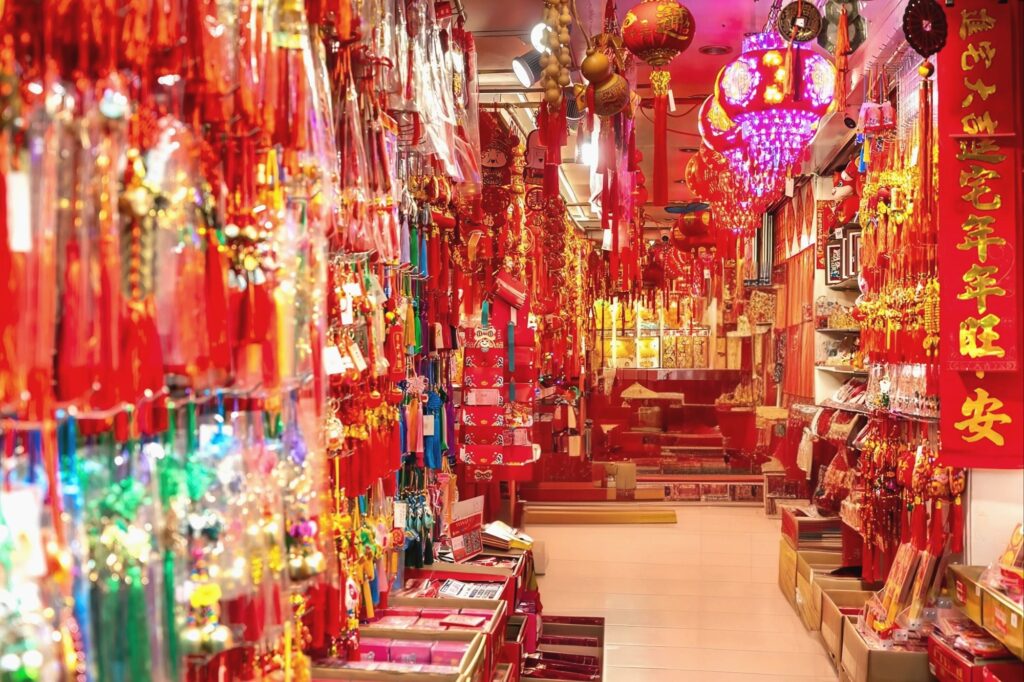
Here in the Philippines, Lunar New Year wears local patterns. Manila’s historic Chinatown in Binondo—the oldest Chinatowns in the world—becomes the country’s most visible stage: dragon and lion dances thread through streets lit with lanterns, shops spill over with decorations, and Binondo Church and nearby bridges are focal points for ceremonies and lights. Crowds, tourists and families make pilgrimage there annually, and civic and business groups often stage parades, markets, and “money tree” rituals to welcome prosperity.
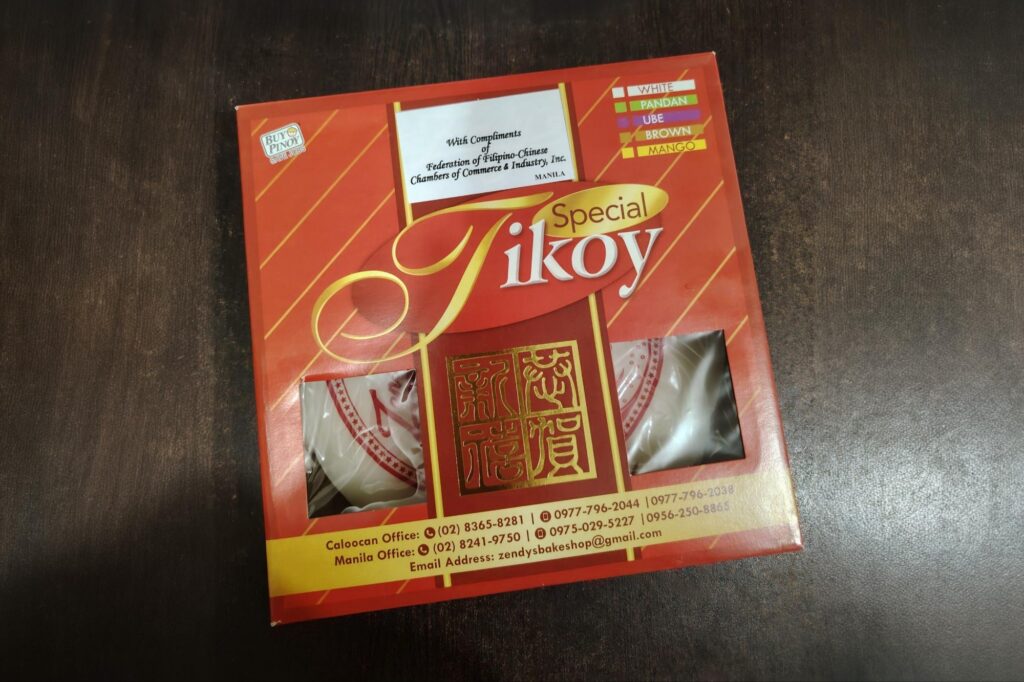
Filipino-Chinese communities—the Tsinoys—have shaped a distinctly Philippine expression of the festival: Catholic rites blend with ancestor offerings, and local staples sit beside jiaozi (symbolic dumplings shaped like gold ingots) and yusheng (the raw fish “prosperity toss” meant to summon abundance). Central is tikoy, the sticky glutinous rice cake (from Hokkien ti ke) whose sweetness and elasticity symbolize unity and rising fortunes; stacks of it appear in markets weeks before the new moon. Children receive ang pao, the local term for red envelopes given to ward off ill fortune and bless the year ahead. Local governments often declare special non-working days and back Chinatown festivities, underscoring how the celebration bridges faith, family, and commerce.
Yet the Fire Horse’s return drags history into conversation. The 1966 precedent—a fire year that coincided with the launch of political campaigns that became the Cultural Revolution—is invoked as both cautionary tale and reminder that elemental metaphors in Chinese thought have long been folded into political and social readings of the present. Fire years have historically coincided with both destruction and invention: they are historically associated with turmoil and with swift technological or societal leap. The same year saw breakthroughs in the space race and national dramas elsewhere, underscoring the ambiguous ledger of “red” years.
That ambiguity is why many look to feng shui and astrology not merely for prediction but for navigation. Some practitioners advise harnessing fire’s creativity through controlled channels: channel ambition into innovation rather than confrontation; temper bold projects with metal or water remedies to moderate excess. Others read the double-fire trope as an invitation to risk, to chase generational opportunities—in entrepreneurship, medicine, or the emergent technologies that pundits predict will accelerate in 2026.
Still, for most families the festival is rooted in intimate, lived rhythm: elders recite blessings, children open red envelopes, kitchens fill with steam and spice, lanterns swing along riverbanks and malls, and fireworks stitch the night. The rituals are both insurance and aspiration—small, repeated acts that insist luck and lineage matter, that the coming months are worth a communal effort to usher in.
As the Fire Horse returns, the festival’s public pageant—dragon dances, temple queues, lantern fairs—will compete with quieter forms of meaning: temple petitions to Tai Sui, the proper hanging of couplets, the refusal to wash away newly arrived fortune. Sixty years compresses into a season. What was last seen in the lifetime of some elders becomes, for their grandchildren, an inaugural shape of a year that tradition says will blaze with risk and possibility alike. In that tension—between the spectacle and the superstition, between folklore and geopolitics—the 2026 Spring Festival will read as both ancient practice and a new chapter in an old cycle.
Stay updated—follow Philippines Today on Facebook and Instagram, and subscribe on YouTube for more stories.