
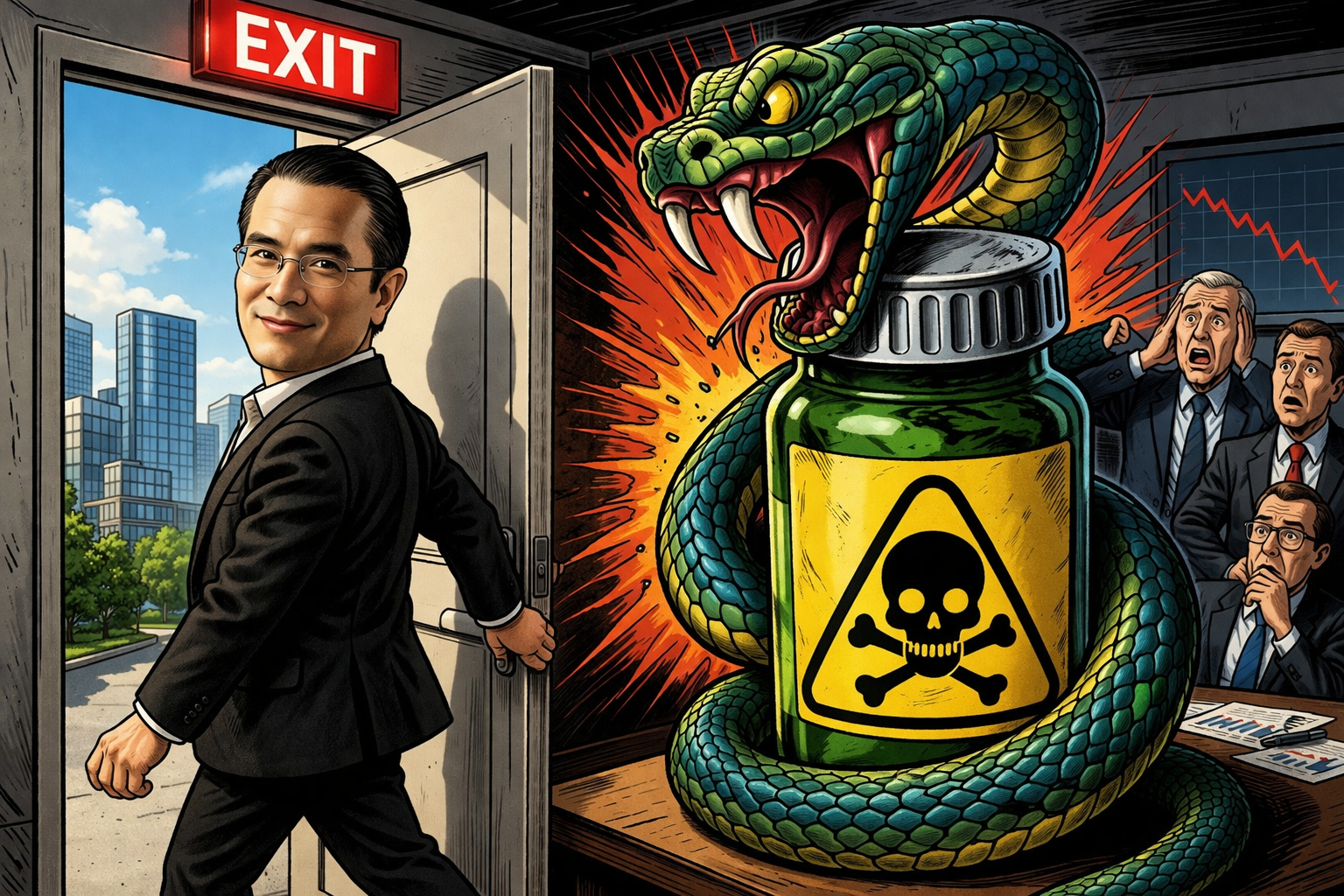

The controversy surrounding First Gen Corporation’s ₱62-billion hydropower deal with Prime Infrastructure Capital Inc. (Prime Infra) has brought an uncommon term into public view: the “poison pill.”
In this case, the clause allows Prime Infra to buy out First Gen’s 33% stake at a 25% discount if CEO Federico “Piki” Lopez and his team are removed. That translates to a potential loss of more than ₱16 billion—putting a clear price on any leadership change.
A poison pill is usually meant to protect a company from hostile takeovers. It works by making it more expensive or less attractive for an outsider to take control. But the version in this deal works differently. Instead of targeting an external buyer, it is triggered by internal decisions—specifically, a change in management. That shift in purpose is what makes this case stand out and why it has drawn attention beyond typical boardroom discussions.
There is a practical argument for including such a clause. Big infrastructure and energy deals depend heavily on trust, continuity, and long-term alignment. Prime Infra, led by Enrique “Ricky” Razon Jr., may have wanted assurance that it would be working with the same leadership team throughout the project. In that sense, the provision acts like a “key man” safeguard. It reduces uncertainty, helps stabilize expectations, and may have even made the deal possible in the first place—especially given the scale of capital involved.
But the downside is just as important. By attaching a steep financial penalty to leadership change, the clause may limit the board’s ability to act independently. If removing an executive could wipe out billions in value, even justified decisions become harder to make. This is where governance concerns come in. A faction led by Eugenio “Gabby” Lopez III has already questioned the arrangement, saying it may disadvantage other shareholders and tilt the balance toward management.
The structure of the deal adds to the issue. First Gen reduced its stake from 40% to 33%, giving up veto power and handing control to Prime Infra. That means the company has less say in strategic decisions but still carries the financial risk tied to the poison pill. For investors, that imbalance—limited control paired with meaningful downside—raises valid questions about how risks and rewards are shared in the partnership.
Another key concern is transparency. For a listed company, provisions that can materially affect valuation are expected to be clearly disclosed and understood by shareholders. When complex clauses surface only amid internal disputes, they can undermine confidence even if they were legally sound. Clear communication is essential, not just for compliance, but for maintaining trust in both management and the board.
In the end, poison pills are not inherently bad. They can protect value, prevent opportunistic takeovers, and keep strategic deals intact. But they can also concentrate power and complicate governance if not designed carefully. The First Gen – Prime Infra case shows both sides clearly.
For stakeholders, the key question is whether this clause protects the company’s long-term interests—or makes it harder to act when change is needed. It also raises whether governance decisions can remain independent when they come with a multibillion-peso price tag.
Stay updated—follow Philippines Today on Facebook and Instagram, and subscribe on YouTube for more stories.