
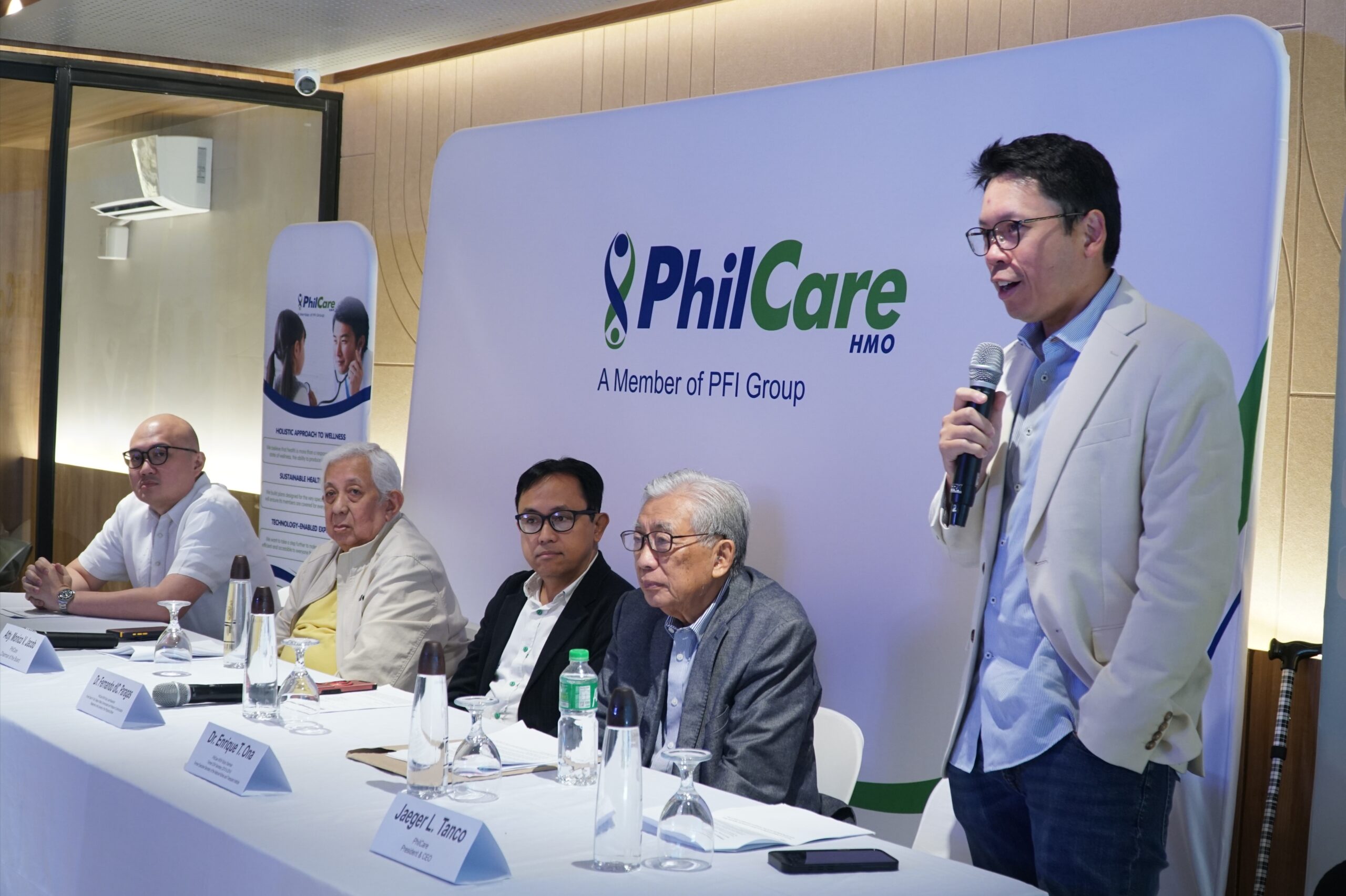

A new study by PhilCare, one of the country’s leading health maintenance organizations (HMOs), reveals that 54% of working-age Filipinos surveyed believe the senior citizens under their care would be unable to access emergency services on their own when needed.
The Well-being Indicators for the Seniors in Our Household (WISH) Study, the latest in a series of research initiatives PhilCare has conducted since 2014, also found that half of respondents said the seniors they cared for were not financially prepared for continuing medical services, even before a health condition becomes serious.
The findings come amid broader financial constraints, with 77% of Filipino adults reporting difficulty raising emergency funds, according to the Bangko Sentral ng Pilipinas’ (BSP) 2025 Consumer Finance and Inclusion Survey.
Together, the findings underscore the vulnerability of senior citizens and their families when health concerns require timely medical attention and financial resources. For households caring for older relatives, the challenge extends beyond responding to emergencies. It also involves ensuring access to healthcare before symptoms arise or conditions worsen. Regular consultations, health monitoring, and timely medical advice can help seniors manage their health while enabling caregivers to make informed decisions about their care.
“When the WISH finding is considered alongside the financial realities reflected in the BSP survey, it becomes clear that preparedness requires more than willingness,” PhilCare WISH Study lead researcher Dr. Fernando Paragas said. “Families also need practical ways to help their loved ones access healthcare and manage health concerns early.”
The WISH Study surveyed 400 working Filipinos aged 21 to 59 nationwide in October 2026. It examined respondents’ perceptions of the health and wellness of the seniors in their care, their preparedness to provide support, and their own readiness for senior citizenship. The research also explored household health concerns, healthcare financing experiences, and the use of health information and technology.
In response to these challenges, PhilCare has rolled out its enhanced VidaCare prepaid healthcare plan, designed for individuals aged 60 and above. The plan allows seniors to access medical services proactively, even in the absence of symptoms or an existing illness.
Its benefits include one year of unlimited consultations with accredited medical and dental practitioners, laboratory and diagnostic services at designated PhilCare facilities, and basic mental health services through the HeyPhil app. It also provides a one-time outpatient emergency care benefit of up to ₱20,000 for emergency room coverage related to viral or bacterial infections and accidents.
“For over a decade, we have conducted various studies to help us understand the healthcare concerns of Filipinos so we can continue creating more accessible solutions,” PhilCare president and chief executive Jaeger Tanco said.
“Our enhanced VidaCare plan gives senior citizens access to essential healthcare services and provides families with another layer of support for unexpected medical needs. We believe that preparing for better health should be more manageable and should begin before an emergency happens,” he added.
Dr. Enrique Ona, former Health secretary and PhilCare WISH Study chairman, emphasized the importance of addressing senior wellness beyond the immediate treatment of illness.
“The health and well-being of older Filipinos cannot be viewed separately from the circumstances of the families who care for them. We must also think about how senior citizens can maintain their health, access appropriate medical care, and age with dignity. This requires greater awareness, better preparation, and solutions that respond to the realities of senior citizens and their families,” he said.
Stay updated—follow Philippines Today on Facebook, Instagram, and TikTok, and subscribe on YouTube for more stories.