
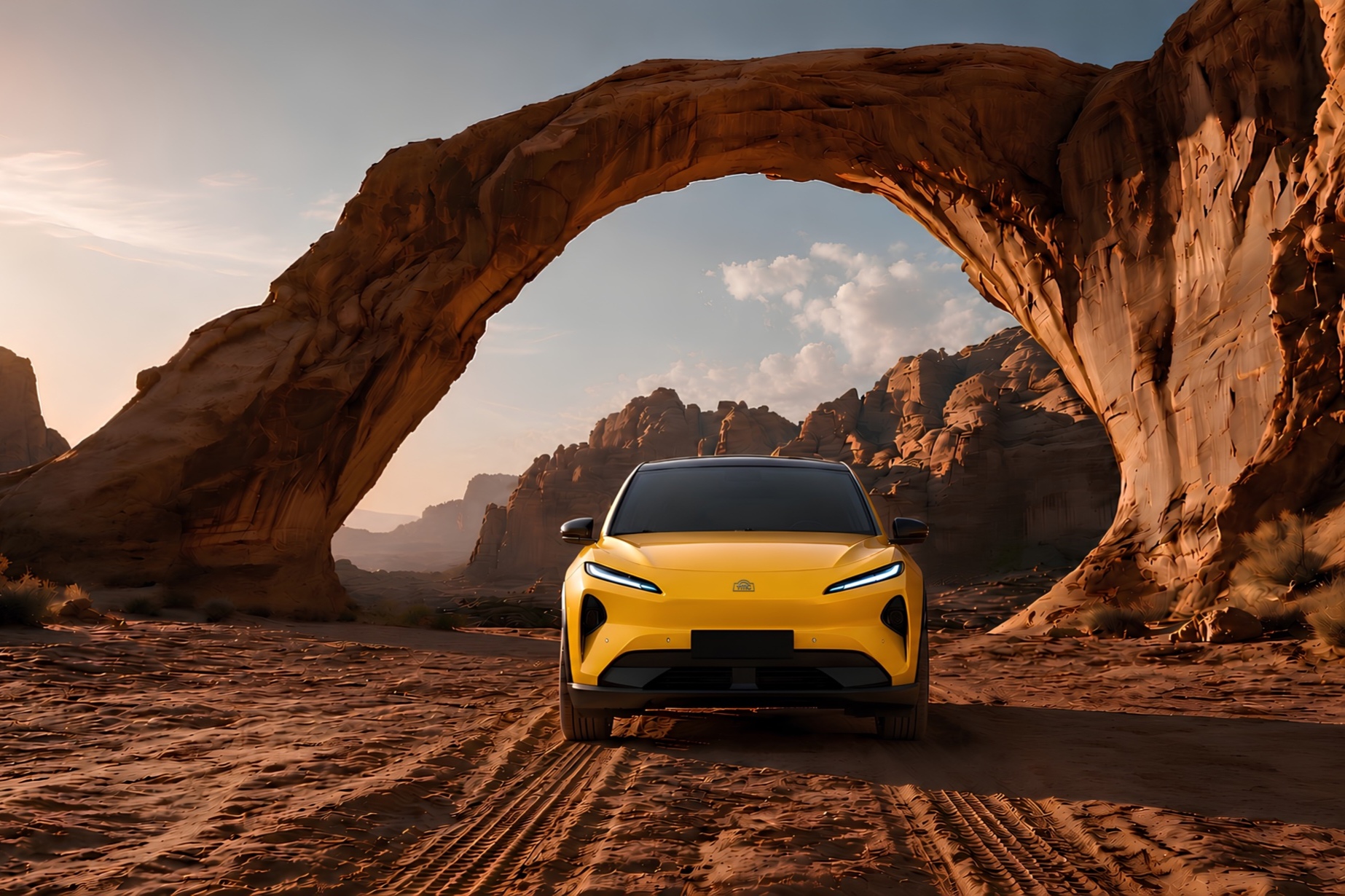

Nearly 80 years after becoming synonymous with the Philippine jeepney, Francisco Motors Corporation is seeking to reinvent itself for the electric vehicle (EV) era, betting that its legacy as one of the country’s most recognizable automotive brands can evolve into a global mobility business.
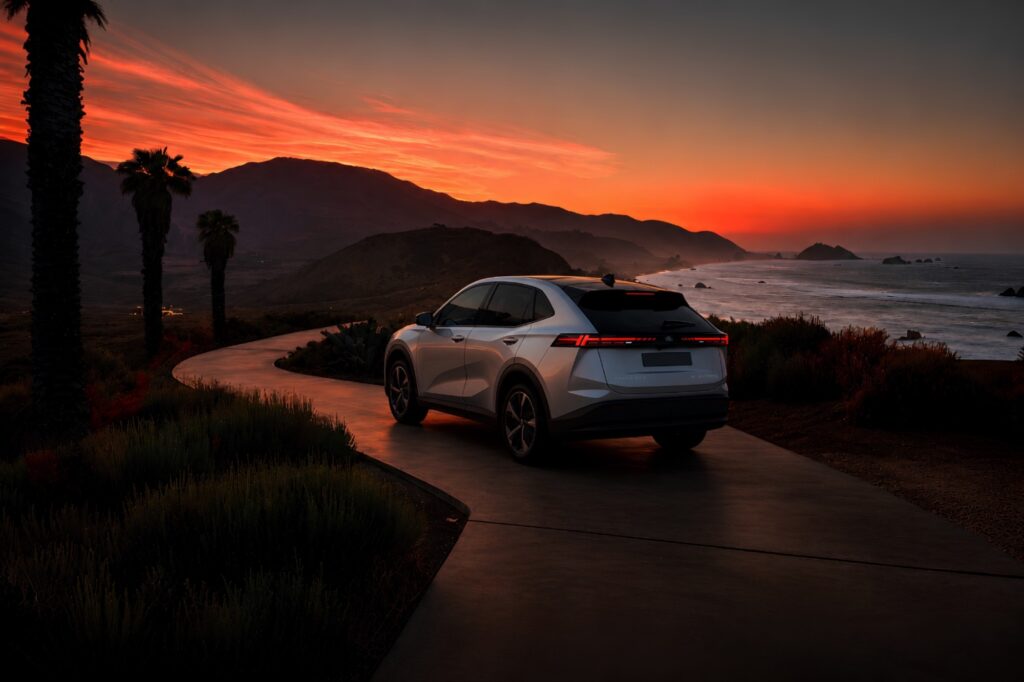
Through Francisco Motors California Inc., the company has unveiled the Elektron compact electric sport utility vehicle (SUV) on its digital platform, Jeepney.io, marking its first entry into the passenger EV segment. Rather than targeting a single market, the rollout is being positioned as a global launch while drawing on the automaker’s Filipino heritage.
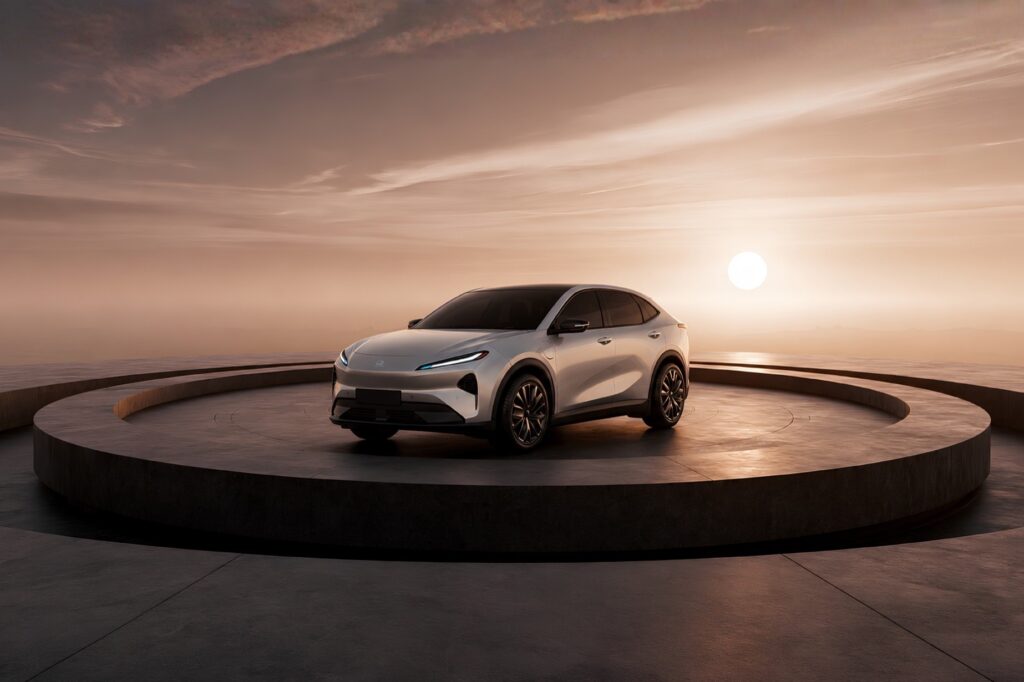
The move comes as the Philippines works to accelerate electric vehicle adoption under the Electric Vehicle Industry Development Act, even as the country’s passenger EV market remains dominated by imported models, particularly from Chinese manufacturers. Francisco Motors is seeking to differentiate itself by pairing its first electric crossover with an ecosystem of artificial intelligence (AI), digital ownership services, and software-based features.
Instead of a conventional product launch, the company introduced the Elektron alongside Domeng, an AI platform designed to assist owners throughout the vehicle life cycle; and Bakbakan, a Filipino strategy game being developed for international players. Through Jeepney.io, prospective buyers can reserve vehicles, monitor payments and submit requests for financing, insurance, maintenance, charging, and other ownership services.
Francisco Motors said the July 27 launch date was chosen to honor the birth anniversary of Jorge T. Francisco, whose vision helped shape the company founded in 1947. Best known for pioneering the Philippine jeepney, the automaker is seeking to reposition itself as a technology-driven mobility company.
The Elektron will initially be offered in Basic, Fashion, and Deluxe variants. According to preliminary company specifications, the Basic model uses a 54.9-kilowatt-hour (kWh) lithium iron phosphate battery with a claimed driving range of more than 400 kilometers, while the Fashion variant increases battery capacity to 63.2 kWh with a claimed range of more than 500 kilometers.
The flagship Deluxe variant is provisionally equipped with an 81.5-kWh battery, dual electric motors, and all-wheel drive. Francisco Motors said it is designed to produce up to 340 kilowatts of power and 640 Newton-meters of torque, with a claimed driving range exceeding 600 kilometers, a zero-to-100-km/h time of 4.3 seconds and a top speed of 180 kilometers per hour (km/h).
The company said all variants will support CCS2 fast charging, with charging taking about 30 minutes under qualifying conditions. It has not disclosed the charger output, testing methodology, or operating conditions used to produce its charging, range, and performance estimates. All specifications remain subject to engineering validation, homologation, regulatory approval, and production readiness.
Francisco Motors said the ₱1.947 million amount displayed under its Founder Orbit program applies only to the Deluxe personal-use configuration and should not be interpreted as the starting price of the entire Elektron lineup. Lower-priced versions for commercial operators, institutional fleets, and public transport are planned, although pricing, production schedules, and delivery dates have yet to be announced.
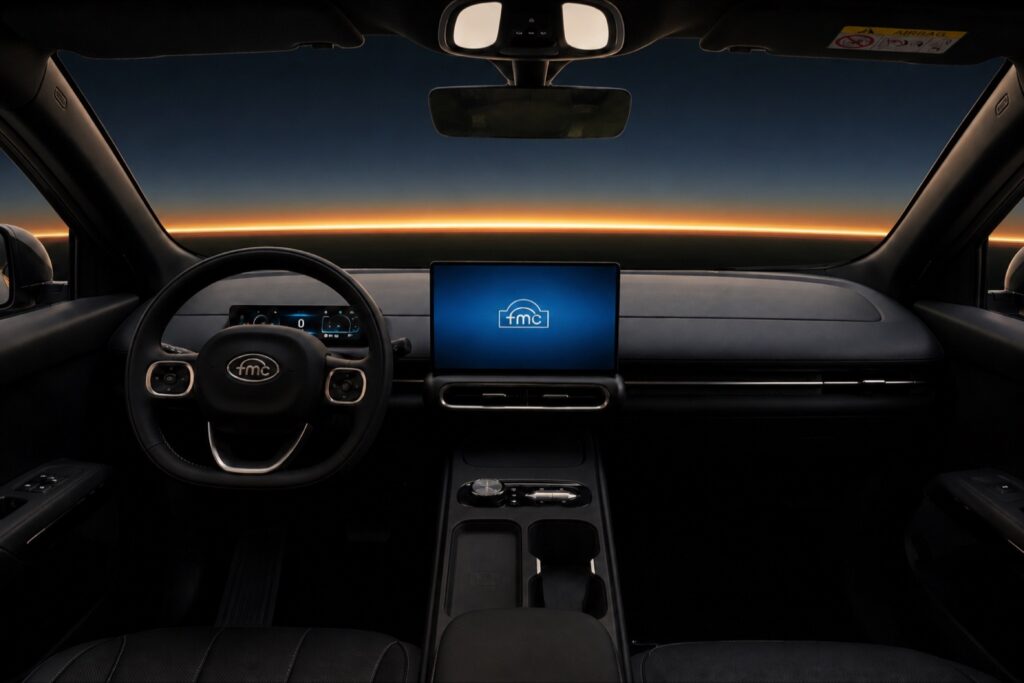
Inside, the five-seat crossover is provisionally equipped with a digital instrument cluster, central touchscreen, and rotary controller, while higher variants add features such as a panoramic roof, wireless charging, dual-zone climate control, and over-the-air software support.
The vehicle is also expected to offer driver-assistance technologies including blind-spot detection, lane-keeping assistance, adaptive cruise control, and autonomous emergency braking. Francisco Motors said the latter refers only to a collision-mitigation system and should not be interpreted as autonomous driving capability.
At the center of the platform is Domeng, which the company describes as an AI-powered digital co-pilot rather than an autonomous driver. It is designed to assist users with reservations, payments, financing, insurance, maintenance, parts, charging, and roadside support, while future software updates are expected to expand its capabilities.
“Elektron is not just another EV. Every Elektron is powered by Domeng,” the company said.
The rollout also includes Founder Orbit, a reservation program limited to the first 1,947 eligible customers, commemorating the company’s founding year. Members pay a ₱1,947 access fee that will be credited toward an eligible vehicle purchase under applicable terms. Francisco Motors said the payment does not constitute a completed sale or guarantee financing, production, allocation, or delivery.
The company is also introducing Quanta Wallet, a closed-loop payment unit intended for transactions within the Francisco Motors and Jeepney.io ecosystem, including eligible vehicle payments, charging services, subscriptions, AI features, and gaming. Francisco Motors said Quanta is not legal tender, a bank deposit, an investment product, or a publicly traded cryptocurrency.
Beyond the initial vehicle launch, the automaker outlined ambitions that include battery swapping, wireless charging, hydrogen fuel-cell range extenders, modular driver-assistance hardware, and digitally coordinated mobile servicing. The company said those technologies remain part of its research and development roadmap and will require further engineering validation, certification, infrastructure support, and regulatory approval before commercial deployment.
For Francisco Motors, the Elektron represents more than the launch of another electric SUV. It is an effort to transform one of the Philippines’ oldest automotive manufacturers into a globally recognized mobility technology company while building on the legacy that made the Francisco name synonymous with the Philippine jeepney.
Stay updated—follow Philippines Today on Facebook and Instagram, and subscribe on YouTube for more stories.