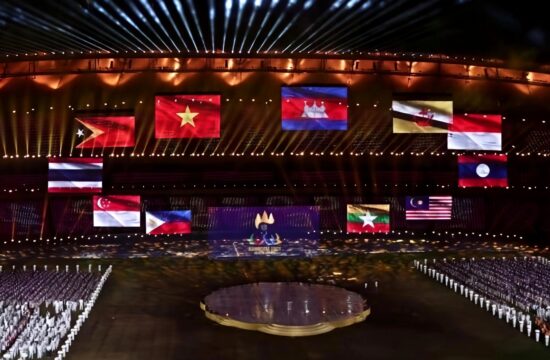

The Philippines returned to the Winter Olympics stage as the Milano Cortina Games officially opened in northern Italy, with the national flag once again part of competition far removed from the country’s tropical climate.
As events run from February 6 to 22, the Philippines is represented by two alpine skiers in Milano Cortina, extending its recent run of Winter Games appearances. Despite having no natural snow, limited access to ice facilities, and a sporting culture centered on warm-weather disciplines, the country continues to qualify athletes through international standards that require long-term overseas training and competition.
This year’s participation also carries historical significance. Seventeen-year-old Tallulah Proulx has become the first Filipina to qualify for the Winter Olympics and the youngest Filipino athlete to compete at the Games. She is entered in alpine skiing’s slalom and giant slalom events, disciplines that place a premium on technical precision and consistency developed through years of racing experience.
“I can’t even believe that I’m going,” Proulx said in a pre-Games interview with CNN. “I don’t think it’s still fully hit me yet. I don’t think it will until I’m actually there,” she added.
Proulx earned her Olympic berth through points accumulated in International Ski and Snowboard Federation competitions, qualifying on merit rather than through allocation. Competing regularly against athletes from established winter-sport nations, she met the same standards required across the field. “I would just want to show the Philippines and the whole world that Filipinas can do it,” she said.
She is joined by Francis Ceccarelli, a 22-year-old alpine skier making his Olympic debut after becoming the first Filipino athlete to qualify for the Milano Cortina Games. Ceccarelli is the fifth Filipino alpine skier to reach the Winter Olympics, following Juan Cipriano and Ben Nanasca in Sapporo 1972, Michael Teruel in Albertville 1992, and Asa Miller in Pyeongchang 2018 and Beijing 2022.
Born in Quezon City and adopted by Italian parents, he moved to Italy at age eight and was raised and trained on European slopes, placing him in the uncommon position of competing in his home country while representing another home nation. An Olympic Solidarity scholar, he progressed through the European circuit before meeting Olympic qualification requirements.
“Since I started skiing, my Filipino identity has always been with me,” Ceccarelli told Olympics.com. “It represents where I was born and where I’m from. It was a goal for me to ski for the Philippines, because it is not every day that we have a Filipino athlete skiing at international level,” he said.
Both athletes were featured during the opening ceremonies held across venues near their competition sites. Ceccarelli carried the Philippine flag at Livigno Snow Park, while Proulx waved the national colors in Cortina’s city centre, a coordinated appearance reflecting the distributed nature of the host locations.
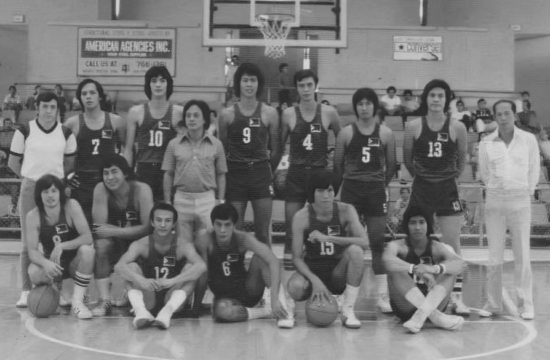
Milano Cortina represents the Philippines’ seventh appearance at the Winter Olympics, dating back to its debut at the 1972 Sapporo Games, when cousins Cipriano and Nanasca made the country the first tropical nation to compete in the Winter Games. After long gaps between appearances, recent editions have shown greater continuity, beginning with figure skater Michael Christian Martinez at Sochi 2014 and Pyeongchang 2018, followed by alpine skier Miller at PyeongChang 2018 and Beijing 2022.
There are no Philippine medalists in Winter Olympic history, and expectations remain centered on qualification and participation. Alpine skiing remains one of the most competitive disciplines in the Games, dominated by countries with extensive winter infrastructure and long-established development systems.
“I hope that me being at the Olympics and representing the Philippines opens up a whole new exposure to sports and what it can become,” Proulx said.
Milano Cortina marks the Philippines’ fourth consecutive Winter Olympic appearance since 2014. With Proulx and Ceccarelli entered in the slalom and giant slalom events, the country continues its involvement in alpine skiing as competition progresses across the Italian venues.
Stay updated—follow Philippines Today on Facebook and Instagram, and subscribe on YouTube for more stories.