

More than 200 representatives from 59 small-scale gold mining organizations gathered for the 7th National Assembly of the National Coalition of Small-Scale Miners in the Philippines Inc. (NCSSMPI), calling for urgent reforms to modernize the country’s mining framework.
Delegates from the Cordillera Administrative Region, Caraga (Region 13), SOCCSKSARGEN (Region 12), Davao de Oro (Region 11), and Camarines Norte (Region 5) met from April 26 to 28 for a three-day assembly focused on policy advocacy, knowledge-sharing, and capacity building. The event also highlighted the coalition’s unified call: “Reporma Ngayon, Ligtas na Pagmimina Bukas!”
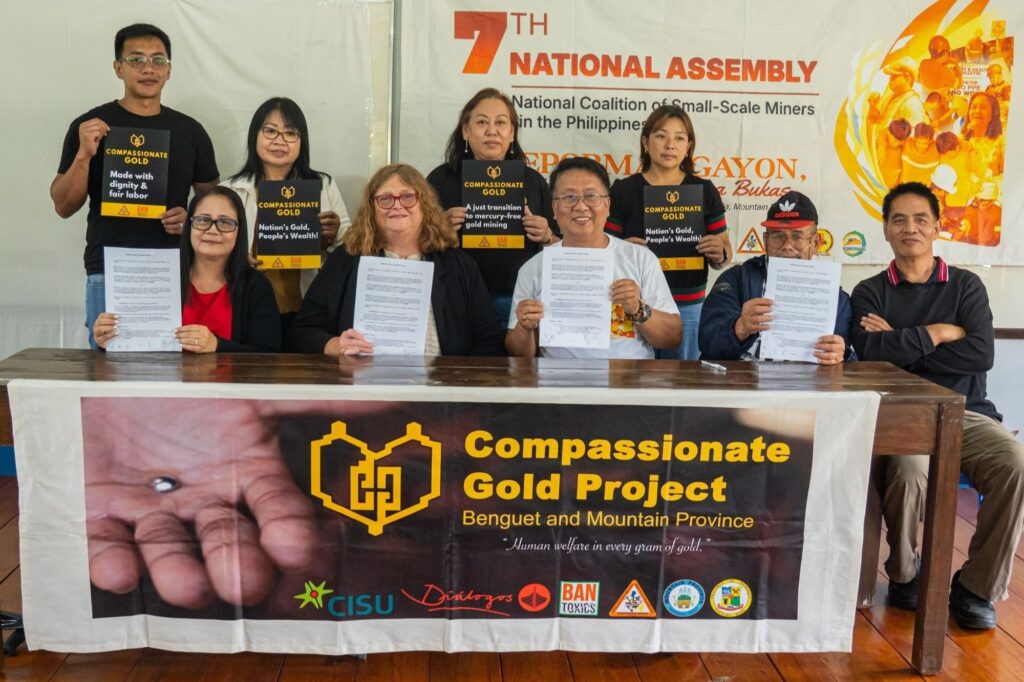
The gathering centered on strengthening environmentally sound mining practices and advancing support for House Bill No. 5840, or the “Minahang Bayan Act,” which seeks to amend the three-decade-old People’s Small-Scale Mining Act of 1991, also known as Republic Act No. 7076.
NCSSMPI president Josephine Balonga said the existing law no longer reflects current industry conditions and has constrained the sector’s growth, formalization, and long-term sustainability.
“Small-scale miners are a vital part of the national economy. Our sector contributes nearly 75% of the country’s total gold production. With the right support and recognition, we have the potential to do even more,” Balonga said.
The Philippines ranks as the fifth-largest gold producer in Asia, with an estimated 500,000 small-scale miners operating across more than 30 provinces. Despite their contribution, many remain among the country’s poorest workers, with millions more dependent on the sector indirectly for income, trade, and local economic activity.
Balonga said complex procedures for declaring Minahang Bayan zones and securing permits have pushed many miners into informal operations without legal or technical support, increasing risks to both workers and the environment.
“Legal barriers, costly formalization, limited contract validity, and red tape prevent miners from operating legally and profitably. The absence of social safety nets worsens unsafe working conditions and deepens social inequalities. Meanwhile, local government units lack the capacity to adequately support miners,” she said.
The proposed Minahang Bayan Act aims to streamline permitting processes, reduce bureaucratic barriers, and promote formalization across the sector. It also seeks to empower local mining regulatory boards to declare and manage Minahang Bayan zones in consultation with local governments, communities, and Indigenous Peoples, while enforcing safety standards and prohibiting hazardous practices such as mercury use.
The measure, filed in November last year by the Trade Union Congress of the Philippines (TUCP) Party-list, is being pushed as a key policy reform to align regulation with current realities in small-scale mining while balancing environmental protection and livelihood needs.
Environmental group BAN Toxics, which serves as the coalition’s secretariat, raised concerns over the continued use of mercury in small-scale mining due to limited access to safer and affordable alternatives, as well as gaps in technical support.
“The government should prioritize funding and promoting mercury-free technologies to create an enabling environment for sustainable mining practices,” said Arleen Honrade, head of BAN Toxics’ community development unit and secretary of the coalition.
BAN Toxics said the proposed law should support a just transition for miners by ensuring stricter mercury regulations are paired with access to safer technologies and alternative livelihoods, preventing undue burden on mining communities and avoiding the criminalization of vulnerable workers.
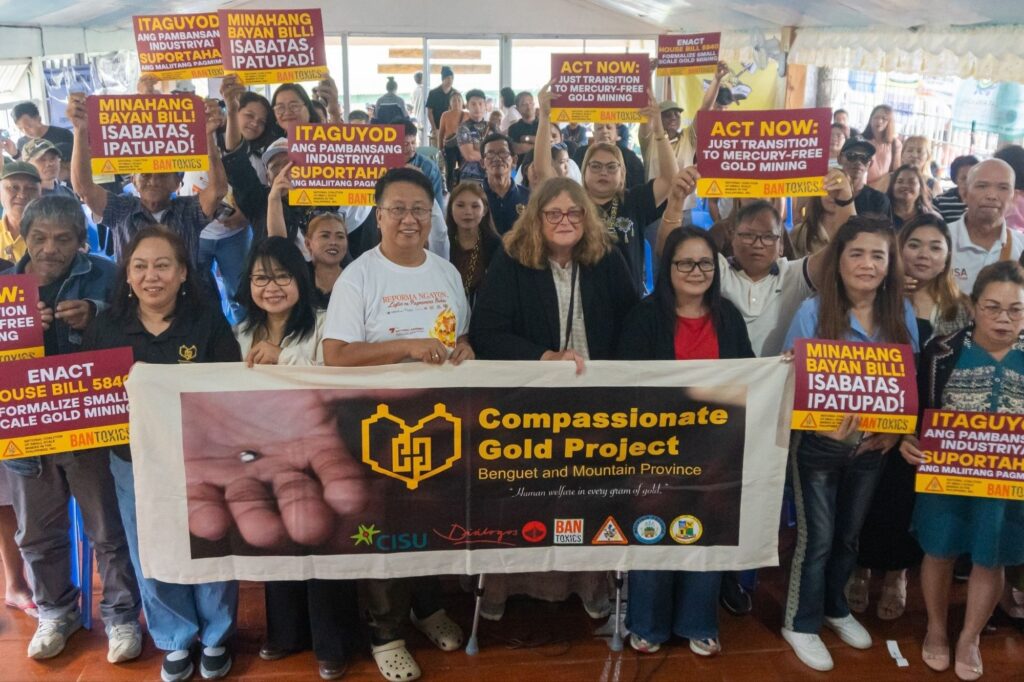
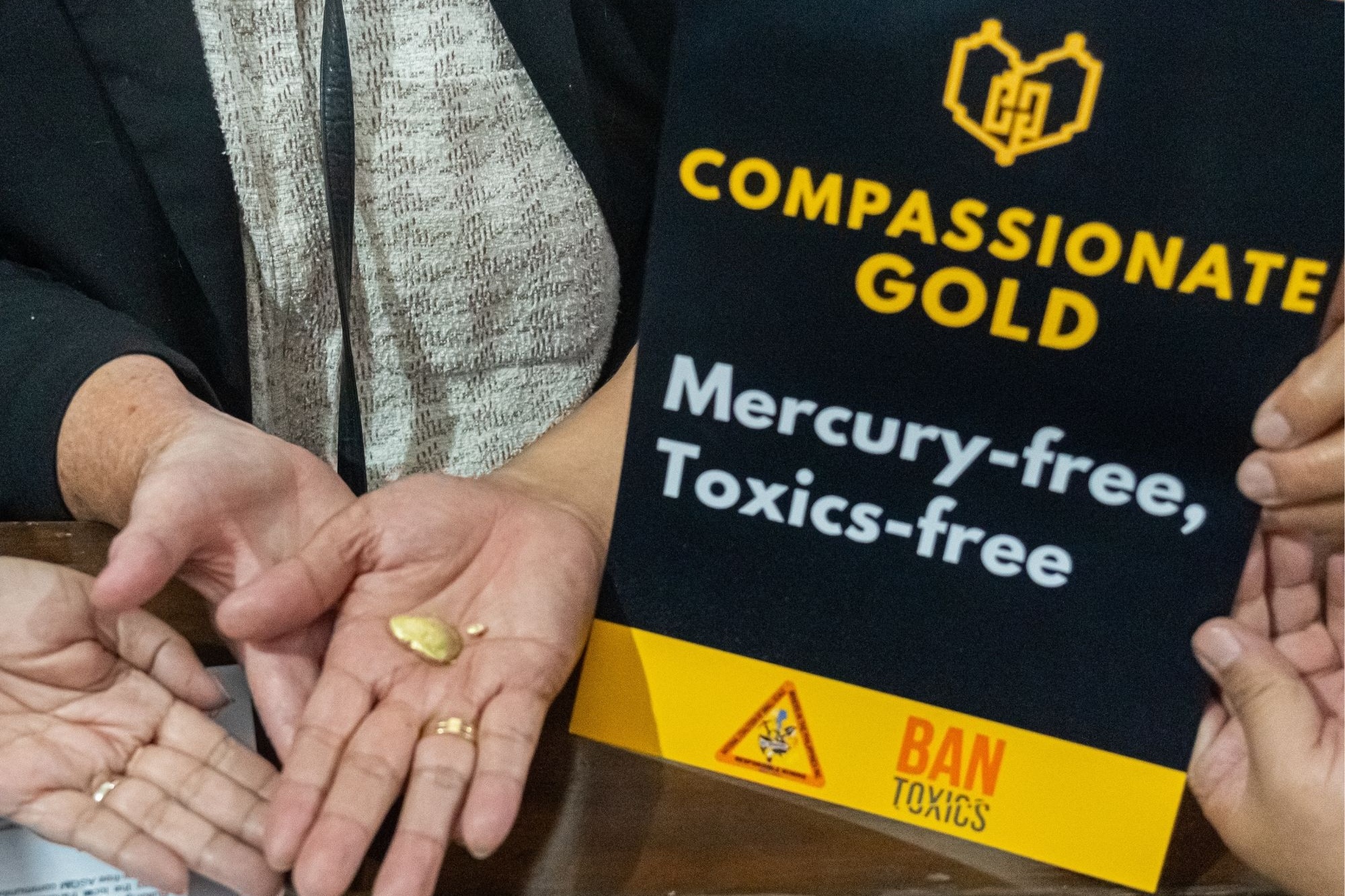
During the assembly, BAN Toxics and NCSSMPI launched the Compassionate Gold Project for Benguet and Mountain Province, with support from Danish non-government organization Diálogos. The initiative aims to accelerate the formalization of small-scale miners and facilitate their transition to mercury-free mining in selected pilot communities.
The project will focus on three priority areas, including capacity building, access to safer technologies, and policy support at the local level. In the long term, organizers said the pilot sites are expected to serve as models for responsible and formalized small-scale mining across the country.
The project is expected to produce a national implementation plan for phasing out mercury use in small-scale gold mining, as well as a coordinated national advocacy strategy to support broader sector reform and sustainable development in mining communities.
Stay updated—follow Philippines Today on Facebook and Instagram, and subscribe on YouTube for more stories.