

A daily dose of curcumin extracted from turmeric combined with resistance exercise safely improved muscle pain, muscle mass, and physical function among older Filipinos with probable sarcopenia, according to a study led by a Department of Science and Technology (DOST) scholar that could help shape future care for the country’s rapidly growing elderly population.
As life expectancy rises and the number of older Filipinos continues to grow, health experts have increasingly focused on preventing conditions that diminish mobility and independence. Sarcopenia has emerged as one of the most pressing age-related disorders because it raises the risk of falls, disability, and hospitalization, making effective interventions a priority for both clinicians and policymakers.
Sarcopenia, a clinical syndrome marked by the progressive loss of muscle mass and strength, has been recognized by the World Health Organization as a disease. It is a leading cause of frailty, disability and loss of independence among older adults.
The findings come from the study, “The efficacy and safety of curcumin combined with resistance exercise program in improving pain, muscle mass and function in Filipinos with probable sarcopenia,” published in the Journal of the Neurological Sciences in December 2025. The paper was authored by Maria Grace De Guzman, Raymond Rosales, Kenneth Charles Mutia and Steve Milanese.
The research was led by De Guzman, a DOST – Philippine Council for Health Research and Development (PCHRD) scholar who recently earned her PhD in Health Research from the University of Santo Tomas. It evaluated whether an eight-week regimen of 500 milligrams of curcumin taken daily alongside resistance exercises could improve muscle pain, muscle mass, and muscle performance in older Filipinos suspected of having sarcopenia.
The researchers concluded that the eight-week treatment combining curcumin supplementation and resistance exercise was both safe and effective for Filipinos with probable sarcopenia. The findings provide local clinical evidence supporting the use of the combined intervention and could help inform future treatment approaches, rehabilitation programs, and public health strategies aimed at promoting healthy aging.
The study also gained international recognition after being presented at the XXVII World Congress of Neurology in Seoul, South Korea, where its findings were featured before publication. Its abstract was later published in the Journal of the Neurological Sciences, highlighting the work of Filipino researchers before an international audience.
DOST Secretary Renato Solidum Jr. said the research underscores the importance of investing in studies that address the health needs of an aging population.
“Given the growing elderly population in the country, studies on muscle conditions like sarcopenia become increasingly relevant. With our scholarship grants through the DOST-PCHRD, we provide opportunities for physician-scientists to train and pursue research that addresses the tangible health concerns of Filipinos,” he said.
De Guzman credited the government scholarship for helping make the research possible, saying it enabled her to pursue research with direct applications to the health concerns of Filipino seniors.
“I am grateful to the DOST-PCHRD for funding my doctoral studies. This program equipped me with the skills to investigate conditions affecting physical capacity,” she said. “I dedicate this research to helping older Filipino adults maintain their strength and quality of life as they age.”
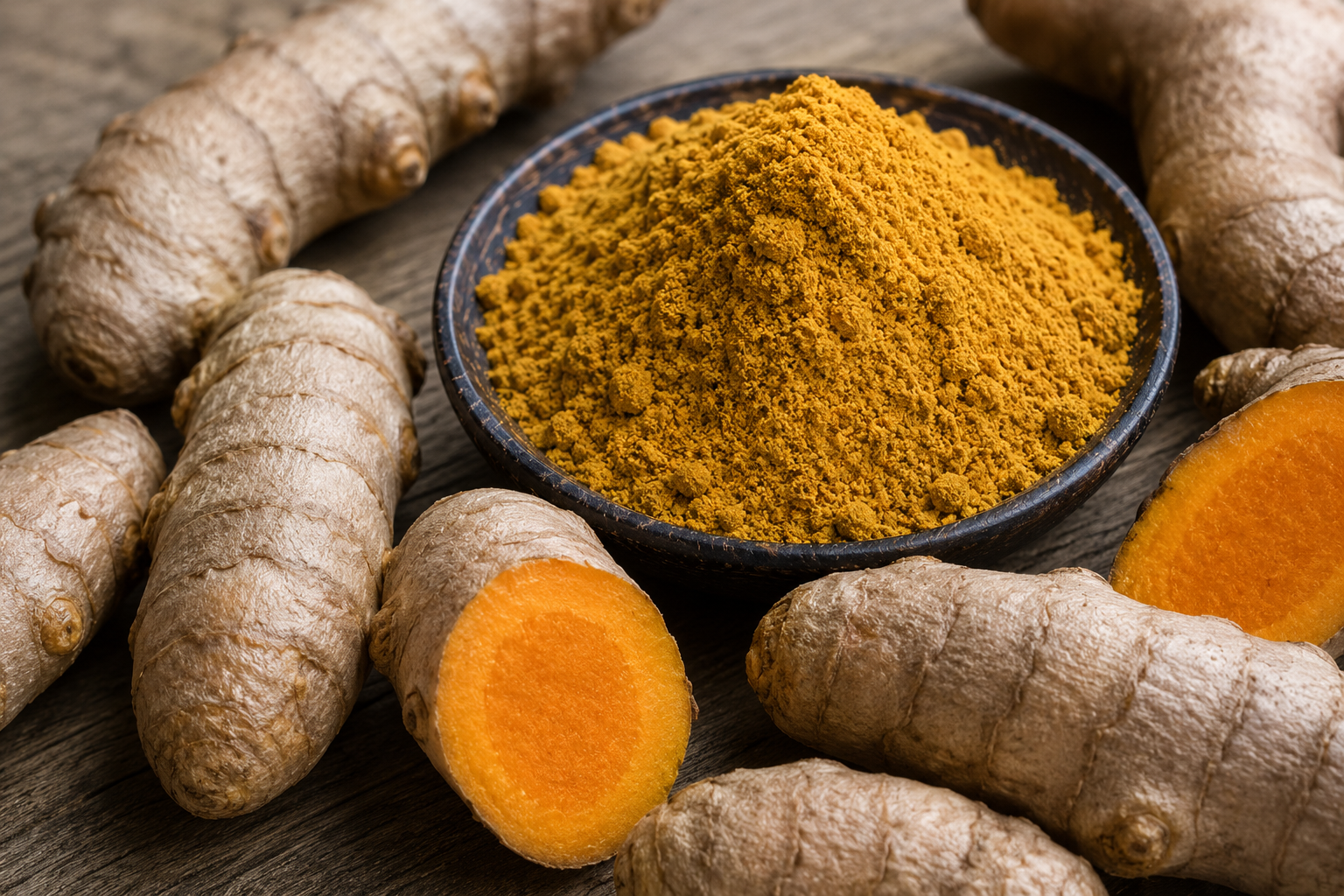
Curcumin is the principal bioactive compound in turmeric, locally known as luyang dilaw, and has long been studied for its antioxidant and anti-inflammatory properties. While additional studies may further establish its long-term role in treating sarcopenia, the researchers said its combination with resistance exercise offers a promising, evidence-based approach to improving muscle health in older adults at risk of the condition.
Stay updated—follow Philippines Today on Facebook and Instagram, and subscribe on YouTube for more stories.