For many Filipino consumers, buying a Louis Vuitton bag has rarely been about subtlety. The appeal lies in recognition—the reassurance of a pattern that announces itself clearly, carries global legitimacy, and, for many first-generation luxury buyers, confirms arrival.
In a market where luxury consumption favors visibility over understatement, the Monogram has long functioned as both aspiration and proof. That cultural instinct explains why the Monogram’s 130th year feels less like a distant Parisian anniversary than a familiar milestone, one that resonates on the shop floors of Makati and well beyond.
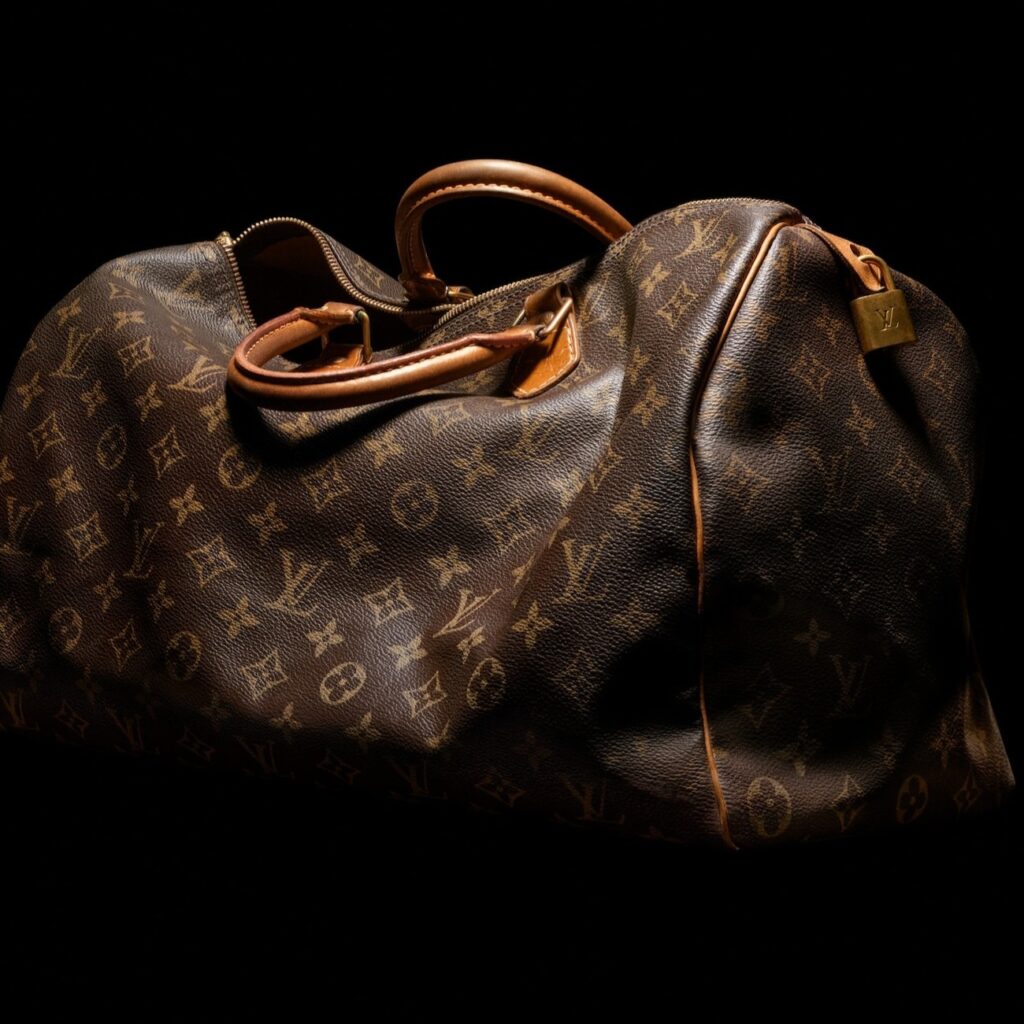
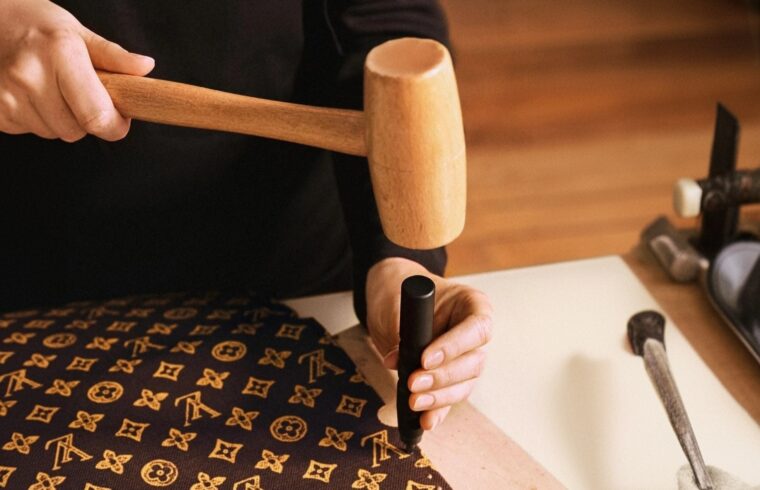
Designed in 1896 by Georges Vuitton as a safeguard against counterfeiting, the Monogram was pragmatic before it was poetic. Its interlaced “LV,” quatrefoils, and floral motifs—drawn from Neo-Gothic ornament and Japonisme—were meant to be unmistakable. Over time, that clarity became its greatest strength.
In the Philippines, where logos often carry social and economic weight, the Monogram’s legibility aligns closely with consumer behavior. Bain & Company has repeatedly noted that in emerging luxury markets across Southeast Asia, logo-forward goods outperform quieter designs, particularly among younger and first-time buyers.
Euromonitor International, likewise, identifies the Philippines as one of the region’s fastest-growing luxury markets, driven by urbanization, overseas remittances, and a population comfortable treating fashion as public expression rather than private code.
Rather than confining the Monogram’s 130th year to a single commemorative moment, Louis Vuitton has stretched the celebration across 2026, unfolding it as a year-long campaign that began on January 1—just days ahead of the Monogram’s often-cited origin date of January 11, 1896. The extended timeline reframes the anniversary not as a look backward, but as a sustained examination of how the pattern continues to function in the present.
Against this backdrop, the house has introduced three limited collections that resist nostalgia as mere repetition. Instead of reviving familiar silhouettes for their own sake, the anniversary releases treat the Monogram as elastic.
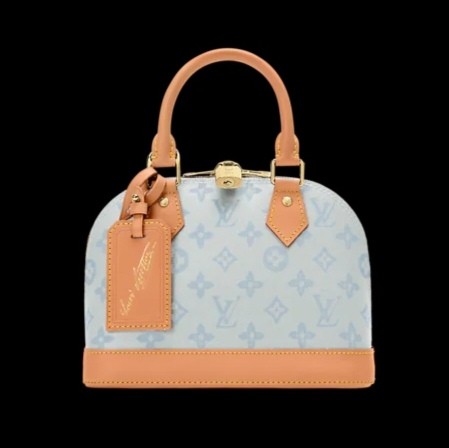
Monogram Origine reworks a linen-and-cotton jacquard inspired by a 1908 archival client register, deliberately preserving the visual irregularities of early loom production while refining them through contemporary technique. VVN elevates untreated vachetta leather—normally confined to handles and trims—into the central material, allowing it to darken and mark over time, turning use into biography. Time Trunk collapses the house’s trunk-making heritage into trompe-l’œil prints so precise they verge on illusion, transforming history into surface rather than relic.
That willingness to let the Monogram be altered has sustained it through decades of cultural shifts. Collaborations with artists such as Takashi Murakami—whose multicolored reinterpretation returns during this anniversary cycle—as well as Yayoi Kusama and Urs Fischer, did not dilute the pattern so much as stress-test it. Each intervention stretched the Monogram’s expressive range while leaving its structure intact.
As a pointed aside to this global celebration, Louis Vuitton has also acknowledged the Philippine market through rarity rather than redesign. The house released a Philippines-exclusive Capucines Wicker bag as part of its Resort 2025 collection: a medium raffia piece with a red crocodile leather flap and handle, produced in just seven units worldwide and priced at approximately ₱1.25 million—well above the usual Capucines range in the local market.
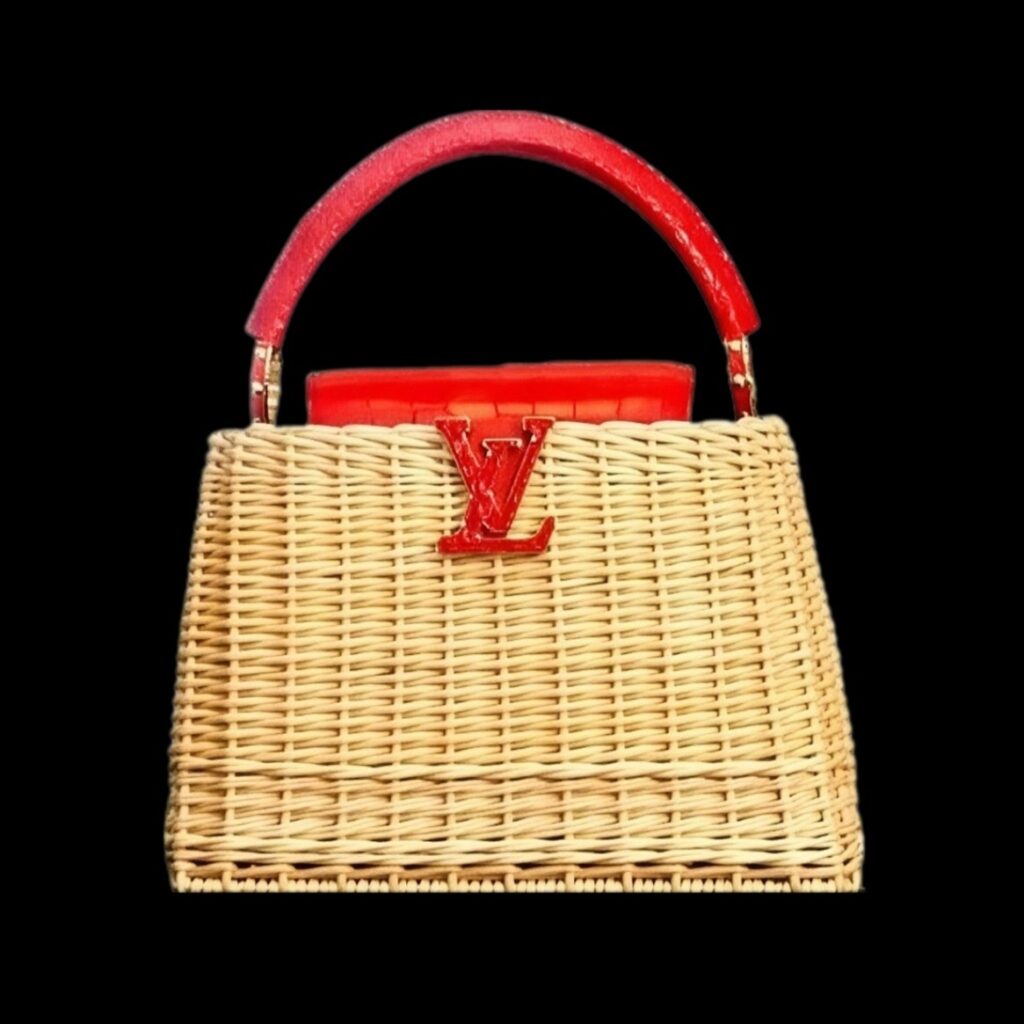
The exclusivity of the Capucines Wicker reflects a broader cultural impulse: luxury as event. In the Philippines, where the visible and the scarce often amplify one another, an object made for a specific locale becomes a status symbol twice over. Sold exclusively at the Chairman’s Villa of Solaire Resort and accompanied by private viewings of the Resort 2025 collection and the Louis Vuitton x Takashi Murakami re-edition at Greenbelt 3, the bag reinforced a familiar message—that Filipino consumers are not peripheral observers but active participants in the brand’s global narrative.
For many Filipinos, the Monogram also carries nostalgia. It recalls early-2000s airport sightings, balikbayan gifts, and glossy magazine spreads—a time when luxury first felt tangibly within reach. The 130th anniversary collections tap into that memory without embalming it, allowing the pattern to age, distort, and resurface in new forms. At this stage, the Monogram functions less as a static emblem than as a living archive, bearing the marks of different eras, collaborations, and markets.
In a culture where fashion continually negotiates between global influence and local expression, that quality resonates deeply. One hundred and thirty years on, the Monogram endures not because it resists change, but because it understands how change travels—across borders, across generations, and through the distinctly Filipino desire to be seen, remembered, and counted.
Stay updated—follow Philippines Today on Facebook and Instagram, and subscribe on YouTube for more stories.