
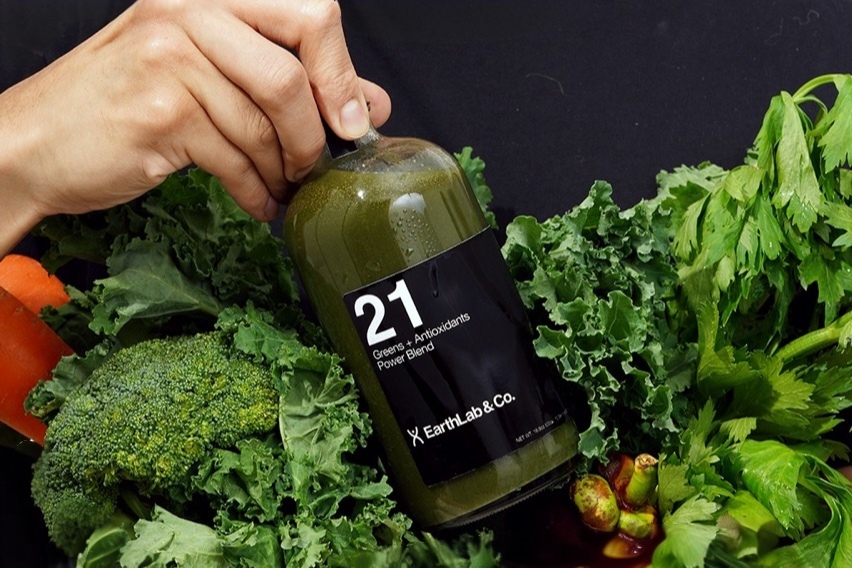

A chef who struggles to eat his vegetables may seem an unlikely person to build a wellness company. But for Chef Gerick Manalo, founder and chief executive of EarthLab & Co., that personal struggle became the starting point for a business seeking to address a familiar challenge: why is eating healthier so difficult, even when we know what is good for us?
Despite years of experience preparing food for others, Manalo found it difficult to maintain the healthy eating habits he understood professionally.

“As a chef, I could tell you exactly what a balanced plate should look like, how to prepare vegetables, and even make them taste good for other people,” Manalo says. “But when it came to my own plate, I was the one avoiding them.”
That gap between knowing what to eat and actually doing so became central to his approach to EarthLab.
When knowledge doesn’t become a habit
As his schedule grew busier, vegetables were often among the first things Manalo skipped. He tried blending greens and vegetables at home to make up for what was missing from his meals, but the experiment did not last.
“It tasted terrible,” he says, laughing. “I was drinking it because I knew I needed it, but eventually, I gave up.”
The experience showed him that good nutritional intentions alone were not enough. Taste and convenience also mattered in establishing a sustainable routine.
“I’ve learned that knowing what’s healthy is easy. Making it a habit is the hard part,” he says. “The challenge is doing those things consistently, especially when life gets busy.”
Making better nutrition fit real life
Manalo’s culinary experience led him to approach the problem through taste. A food or drink might offer nutritional value, he reasoned, but consumers are less likely to return to something they do not enjoy.
“I think the biggest misconception is that eating well means forcing yourself to eat things you don’t enjoy,” he says. “For me, it’s really about finding a way to make better nutrition work for you.”

That thinking shaped EarthLab’s intended audience: people who understand the value of eating well but struggle to incorporate it into their daily routines.
“What I felt was missing was something made for real people, not just people who are already obsessed with wellness,” Manalo says. “Make it simple. Make it enjoyable. Make it fit real life.”
He is careful not to present convenience as a substitute for balanced meals.
“We’re not here to replace a healthy diet,” he says. “We’re here to make getting more greens easier in real life.”
From a kitchen experiment to a wellness business
Turning the idea into a product took more than two years. Manalo went through repeated rounds of formulation, ingredient sourcing, tasting, packaging, and production decisions before introducing EarthLab’s first offering, 21 Greens + Antioxidants Power Blend.
He approached formulation as he would a dish, balancing ingredients, texture, and flavor. But repeated testing also required him to consider another measure of success: whether consumers would willingly prepare and drink the blend again the next day.

“For me, taste was non-negotiable,” he says. “If I’m going to ask people to make this part of their daily routine, it has to taste good enough that they actually want to come back to it.”
The resulting 21 Greens + Antioxidants Power Blend combines greens, fruits, antioxidant-rich ingredients, and probiotics. Its development reflected the challenge Manalo had encountered firsthand: the ingredients mattered, but so did the experience of consuming the product regularly.
Product development also brought the uncertainties of running a business, including supplier selection, production costs, failed attempts, and decisions made before he knew how customers would respond.
“There were moments when we questioned whether we should keep going, but I believed in the problem we were solving,” he says. “After more than two years of testing, failing, adjusting, and refining, we finally created something I was genuinely proud to put the EarthLab name on.”
A founder’s case for consistency
The experience reinforced Manalo’s preference for realistic, sustainable habits over sweeping changes to daily routines.
“You don’t have to completely change your life to start taking better care of yourself,” he says.
His own relationship with vegetables has not changed overnight. Building EarthLab has made him more attentive to his eating habits, but he does not claim to have developed an appetite for every vegetable.
“Vegetables and I are in a much better relationship now,” he says. “We’re not best friends yet, but we’re definitely talking.”
He applies the same problem-first approach to EarthLab’s future. While he wants the company to expand beyond its first product, he believes every new offering should address a specific consumer need.
“Every product should have a purpose and solve a real problem,” he says.
His move into entrepreneurship has also given new meaning to the skills he developed in professional kitchens: discipline, teamwork, and the ability to adapt when plans fail. Although his responsibilities now extend beyond food preparation, Manalo still sees himself first as a chef.
“I’m still Chef Gerick,” he says. “I just have a much bigger kitchen now.”
Stay updated—follow Philippines Today on Facebook, Instagram, and TikTok, and subscribe on YouTube for more stories.