

A future where commuters no longer tap cards at train gates is edging closer to reality—and for Filipinos in Hong Kong, that shift could quietly reshape daily life.
As the driving force behind the Octopus card steps into retirement, his parting vision of a “tap-free” commute reframes a familiar system through the lived experience of one of the city’s largest migrant communities.
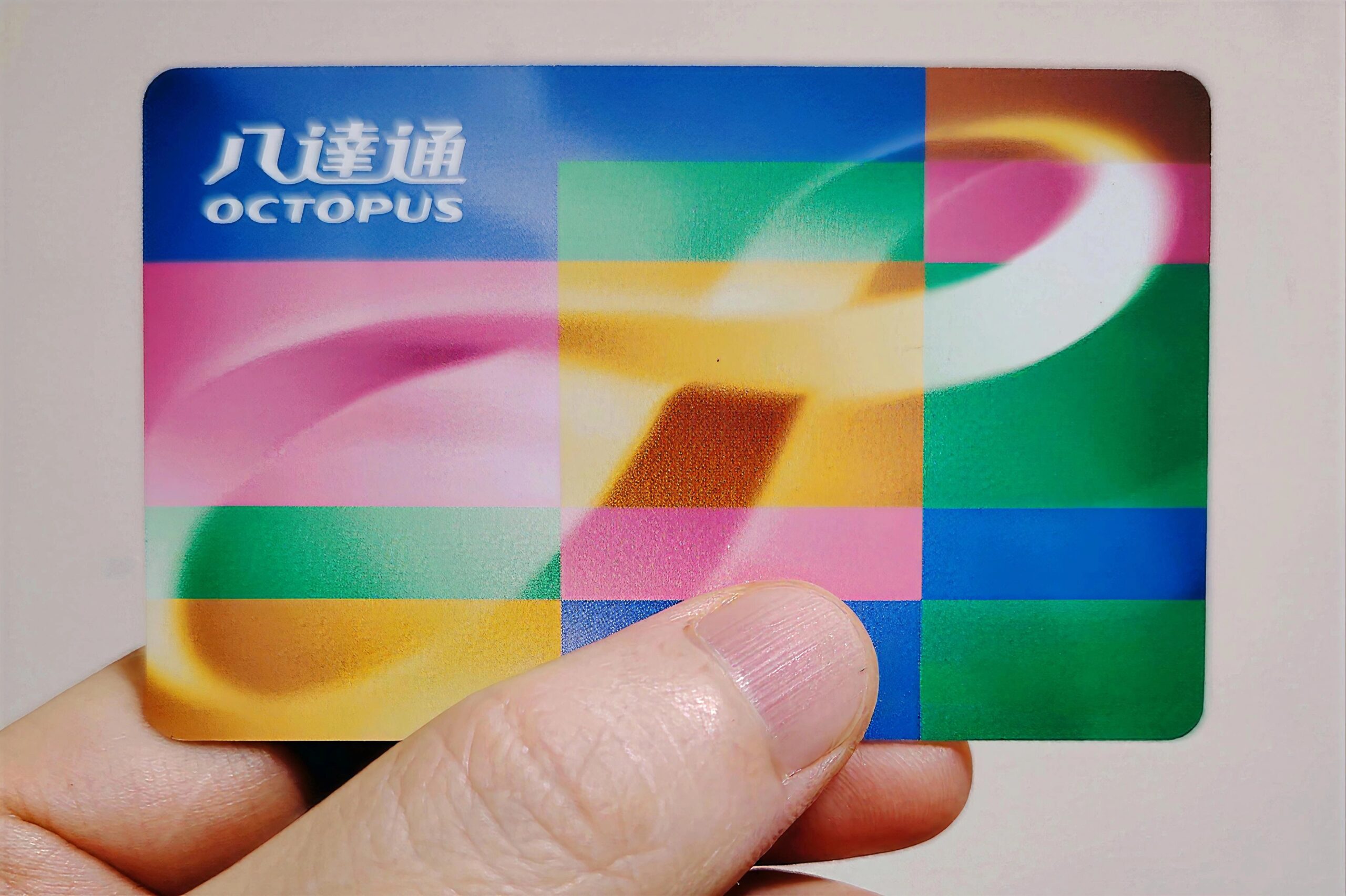
Launched in 1997, the Octopus card began as a contactless stored-value tool for public transport. Over time, it grew into a near-universal payment system, extending into small-value retail transactions and everyday services—parking, government tolled tunnels, access control in residential and commercial buildings, school facilities, self-service kiosks, and online payments via NFC-enabled devices. Available as cards, key rings, and wearables, Octopus has become nearly universal: more than 20 million devices are in circulation, and about 98% of Hong Kong residents own one.
For Filipinos, Octopus has been part of daily life from the moment they arrive. It pays for early morning MTR trips to work, late-night rides home after long shifts, grocery runs on rest days, and ferry crossings across the harbor. For tourists from the Philippines, it offers a simple way to move around without worrying about cash or unfamiliar payment rules. In a fast-moving city where language differences can complicate routine payments, Octopus provided a consistent and widely accepted way to pay.
That system was shaped in large part by Sammy Kam Chi-sum, who joined MTR Corporation in 1995 and later became chief operations officer of Octopus. Over nearly three decades, Kam helped guide the technology from a transport-only application into the backbone of Hong Kong’s everyday payments. Now in his sixties, he is retiring but not without looking ahead to the next stage.
Kam’s vision is a “tap-free” commute powered by ultra-wideband wireless technology capable of tracking a commuter’s location with centimeter-level accuracy. “I really hope that in the next two to three years, ultra-wideband can be fully realized. The system will sense your presence, deduct the fare [from your Octopus card] and open the gate for you automatically,” Kam said in an SCMP interview. He added that the technology already exists and is being actively explored, even if its full rollout will be left to his successors.
For many Filipino workers, the appeal is practical. Domestic helpers often commute while carrying groceries or pushing strollers. Caregivers and service staff move between jobs on tight schedules. Tourists manage luggage through busy stations. Removing the need to tap may seem small, but over time it can make daily travel easier, especially during rush hours.
Kam has also acknowledged moments when Octopus fell short, episodes that resonated deeply with migrant communities reliant on trust in public systems. Recalling both the 2010 personal-data scandal and earlier operational lapses, Kam told the SCMP that he still remembers them “vividly.” In one early incident, an expired card triggered an “illegal usage” alert on a bus, leading to a passenger being taken to a police station. “It was a very unfortunate incident… and I still feel I owe an apology to that passenger,” he said.
Taken together, those episodes underscored how even well-intentioned technology can cause harm when safeguards, discretion, or accountability fail—an anxiety familiar to many overseas workers navigating unfamiliar systems.
Also retiring is sales and marketing director Rita Li Yuk-yi, who spent 17 years steering Octopus through a rapidly evolving payments landscape. She played a key role in integrating Octopus with Samsung Pay in 2017 and Apple Pay in 2020, aligning the system with smartphone-led habits. That shift mattered to Filipinos who increasingly rely on mobile devices for budgeting, remittances, and travel coordination.
During the Covid-19 pandemic, Octopus became even more important through Hong Kong’s consumption voucher scheme. The company rolled out more than HK$250 million in rewards and incentives to stay competitive. For many Filipino workers dealing with job uncertainty and rising living costs, Octopus’ wide acceptance made it easier to avail of government support for daily needs.
As Octopus prepares for new leadership in the new year, Kam plans to focus on advising start-ups and contributing to Hong Kong’s innovation ecosystem, while Li intends to devote more time to mentoring young people. If Octopus goes tap-free, it won’t just be a tech upgrade. It will show how Hong Kong builds everyday systems for a city powered by migrant workers and constant movement. For Filipinos who rely on public transport daily, fewer steps could mean faster, easier commutes—so long as trust, privacy, and reliability keep pace.
Stay updated—follow Philippines Today on Facebook and Instagram, and subscribe on YouTube for more stories.