What began as a national showcase at a world exposition in Japan is being recast as a working asset for tourism trade in Southeast Asia, as the Philippines extends the afterlife of its Expo pavilion into a regional marketplace.
At the ASEAN Travel Exchange (TRAVEX) 2026, design, craft, and sustainability are repositioned not as spectacle, but as business infrastructure.
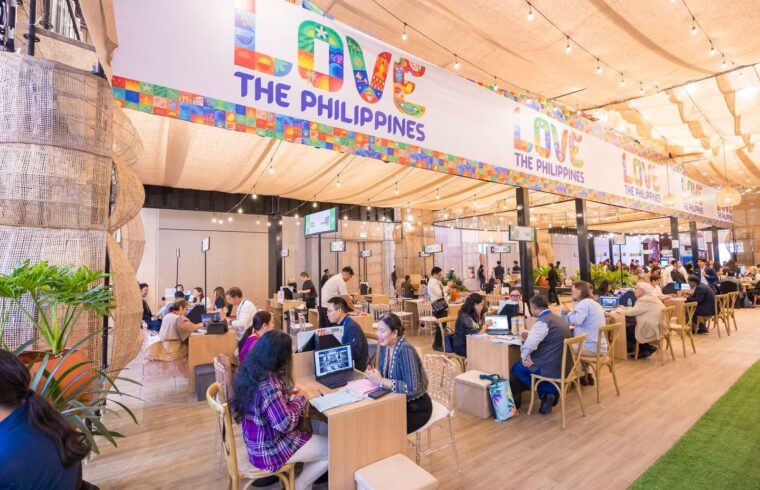
True to its stated commitment to a life beyond Expo 2025 Osaka, the Philippine Pavilion has resurfaced at the ASEAN tourism trade fair, carrying with it both physical materials and the narrative capital built on the global stage.
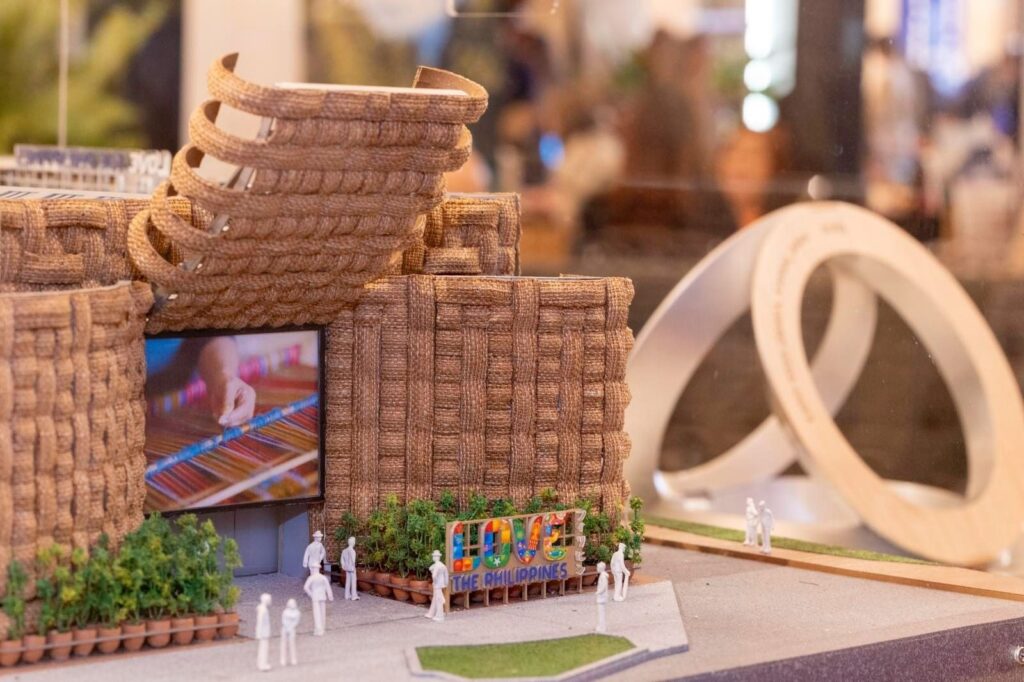
Organized by the Tourism Promotions Board (TPB), an attached agency of the Department of Tourism, the Philippine Pavilion demonstrates sustainability as an operational strategy rather than a branding device, with about 70% of its architectural and exhibition components reused from the expo structure.
These include rattan frameworks and handwoven textile panels produced by Filipino artisans, materials that were central to the pavilion’s identity in Osaka.
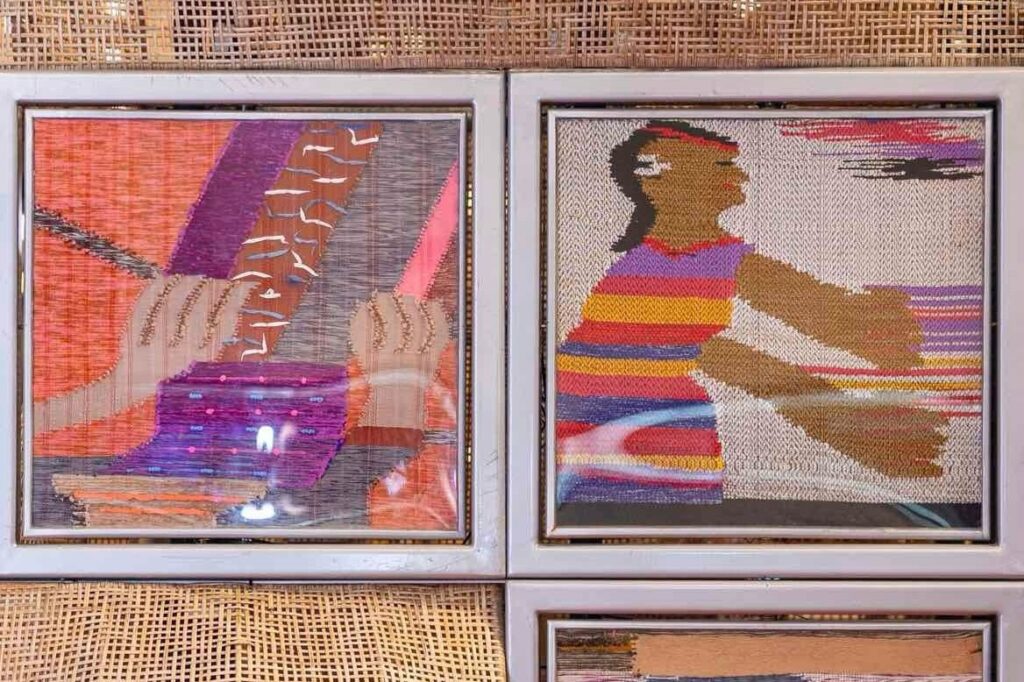
At the World Expo, the structure drew attention for its façade of 212 handwoven textile panels combined with sustainably sourced rattan, an approach that foregrounded regional craft traditions within contemporary exhibition design. The project was later recognized with a Silver Plaque for Exhibition Design by the Bureau International des Expositions, the intergovernmental body that oversees registered world expos.
At TRAVEX 2026, the emphasis has shifted from mass visitor engagement to trade-focused interaction. Four of the 18 large-scale woven artworks originally installed inside the pavilion are now featured at the Philippine booth, representing Davao, Cebu, Bicol, and Ilocos.
Recontextualized for a business-to-business environment, the works are positioned as material expressions of destination identity, offering buyers and sellers a tactile entry point into conversations about product development, community-based tourism and sustainable supply chains.
The strategy reflects broader policy thinking within the region. The United Nations World Tourism Organization has repeatedly identified community participation and cultural continuity as critical to sustainable tourism growth, noting that locally rooted production can help distribute economic benefits more equitably while strengthening destination resilience.
ASEAN tourism frameworks, likewise, emphasize sustainability and inclusivity as core pillars for post-pandemic recovery.
By extending the use of expo materials into TRAVEX, Philippine tourism officials are effectively testing how cultural investments can retain value beyond a single event cycle. Rather than dismantling the Philippine Pavilion after Osaka, the continued circulation of its components allows artisan labor, regional narratives, and design capital to remain economically active within the tourism trade ecosystem.
“Expo 2025 Osaka gave the Philippines strong visibility on the global stage,” said TPB chief operating officer Maria Margarita Montemayor Nograles. “Bringing these materials into TRAVEX allows that momentum to continue—where cultural presentation supports real business conversations, and global exposure translates into partnerships that benefit our communities.”
Following TRAVEX 2026, selected pavilion elements are slated for transfer to the National Museum of the Philippines, extending their life once more—from global exposition, to trade platform, to public institution. The move underscores a longer-term approach to cultural stewardship, where tourism infrastructure, design, and heritage intersect beyond the confines of event calendars.
Follow PHILIPPINES TODAY on Facebook and Instagram, and subscribe on YouTube for the latest updates.