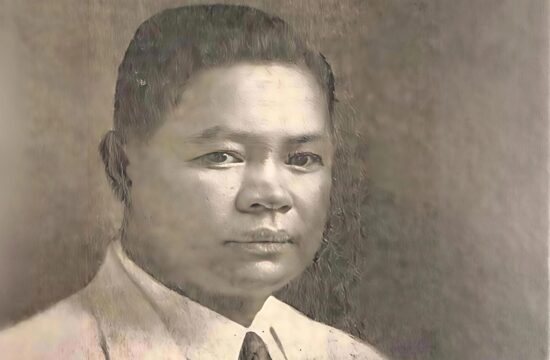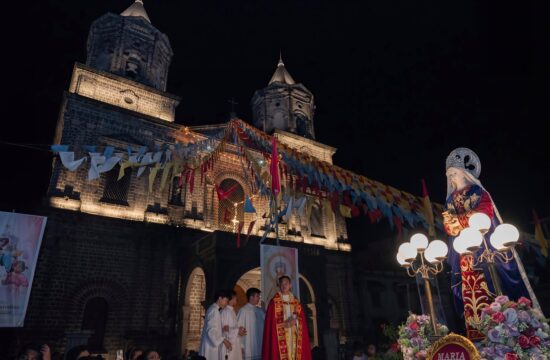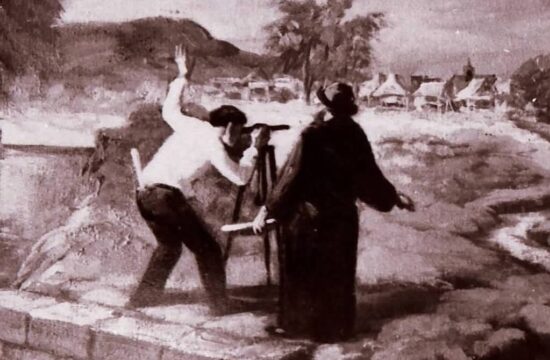

A house in a quiet German village where José Rizal once lived while studying ophthalmology has been purchased by Batangas 1st District Rep. Leandro Leviste, who plans to preserve the property and convert it into a museum dedicated to the Philippine national hero.
The property stands in Wilhelmsfeld, a small town near Heidelberg in southwestern Germany. Rizal stayed there in 1886 while pursuing advanced training at the University of Heidelberg. During that period, he completed the final chapters of his novel Noli Me Tangere, which exposed abuses under Spanish colonial rule and later became one of the most influential works in Philippine literature.

Rizal lived in the house at the invitation of Protestant pastor Karl Ullmer, whose family hosted the Filipino scholar during his stay in the village. Historical accounts say Rizal spent several months in Wilhelmsfeld while continuing his studies in nearby Heidelberg. The quiet surroundings allowed him to focus on finishing his manuscript at a time when his ideas about reform and national identity were taking shape.
The novel, published in Berlin in 1887, would later play a crucial role in awakening political consciousness among Filipinos under Spanish colonial rule. Its portrayal of corruption, religious abuses, and social injustice helped inspire reformist movements and eventually contributed to the rise of nationalist sentiment in the Philippines.
While in Germany, Rizal also wrote the poem A las flores de Heidelberg, a lyrical piece addressed to the flowers along the Neckar River. In it, the young Filipino intellectual reflected on the distance from his homeland and the longing he felt while pursuing studies in Europe.
Leviste announced the acquisition in a social media post, saying the purchase was intended to preserve a historic site linked to Rizal’s life and writings. The Batangas congressman said the property would eventually be restored and opened to visitors interested in Philippine history.
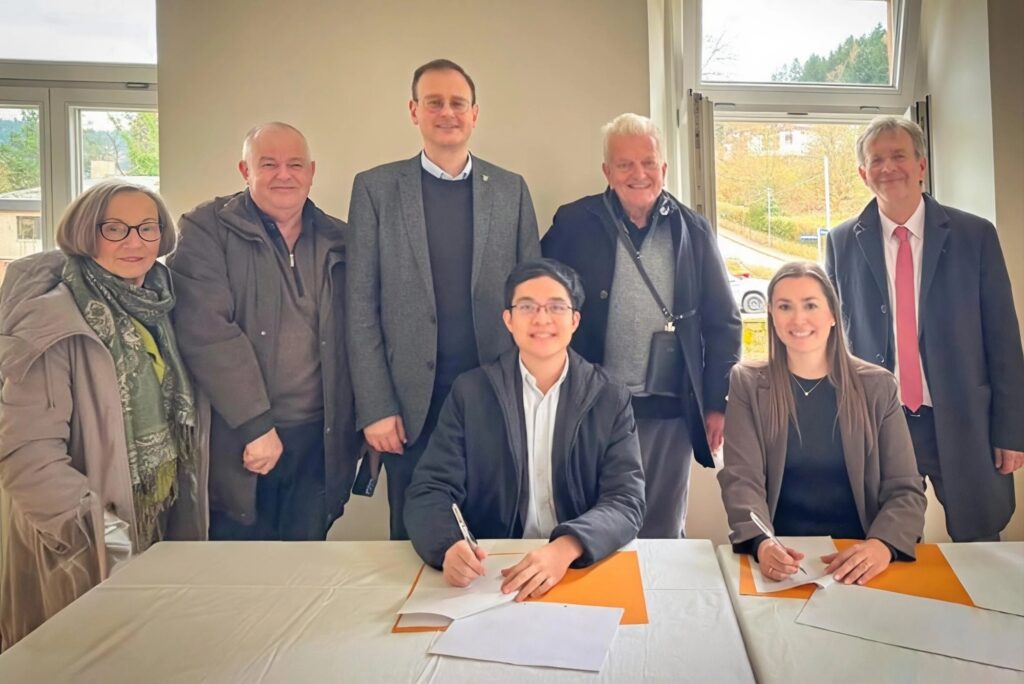
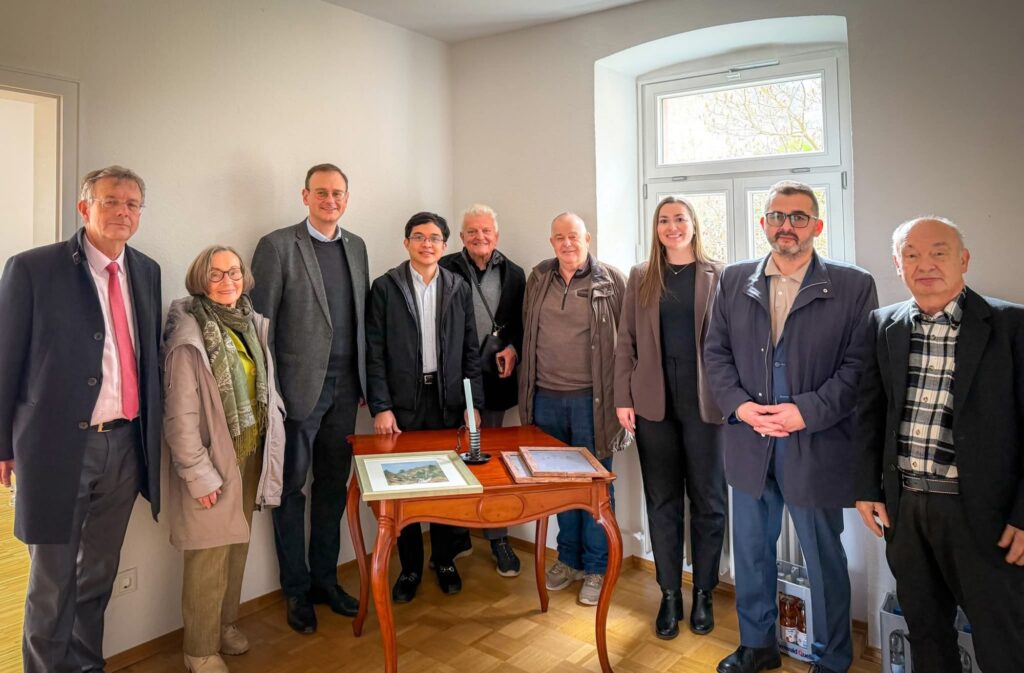
A signing ceremony for the purchase was held last week, attended by Franz Hack Ullmer, a descendant of Pastor Ullmer, along with representatives of the Protestant church that previously owned the property. Also present were Tobias Dangel, mayor of Wilhelmsfeld, and Herbert Ehses, commander of the German chapter of the Knights of Rizal.
During the ceremony, Ullmer presented Leviste with a table modeled after the one Rizal used while writing Noli Me Tangere, along with several items from the Ullmer family’s Rizal collection. The objects highlight the connection between the Filipino hero and the German family that hosted him during his stay.
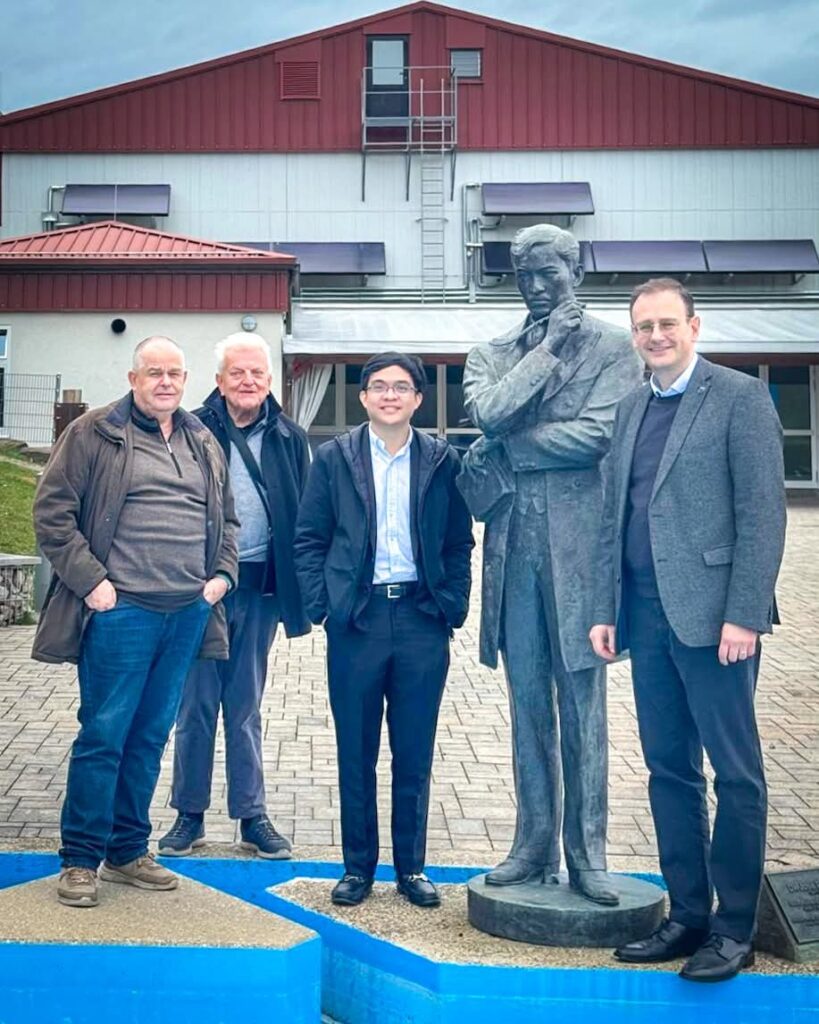
Rizal’s legacy remains visible in Wilhelmsfeld today. A statue of the Philippine hero stands in Rizal Park, and the street where the house stands bears the name Jose Rizal Strasse. The town has long acknowledged its historical link to Rizal, who spent part of his European years there while completing one of the most significant works in Philippine literature.
For more than a century, the house served as a residence for pastors in the town. After disruptions caused by the COVID-19 pandemic, however, the property was no longer being used.
The opportunity to preserve the site was later brought to the attention of Senator Loren Legarda, Leviste’s mother, who suggested acquiring the property privately when no other buyers stepped forward to maintain it.
Leviste said the house would be restored and opened to Filipino and international visitors, preserving a place where a young Rizal completed a novel that would help shape the intellectual foundations of the Filipino nation.
Stay updated—follow Philippines Today on Facebook and Instagram, and subscribe on YouTube for more stories.