
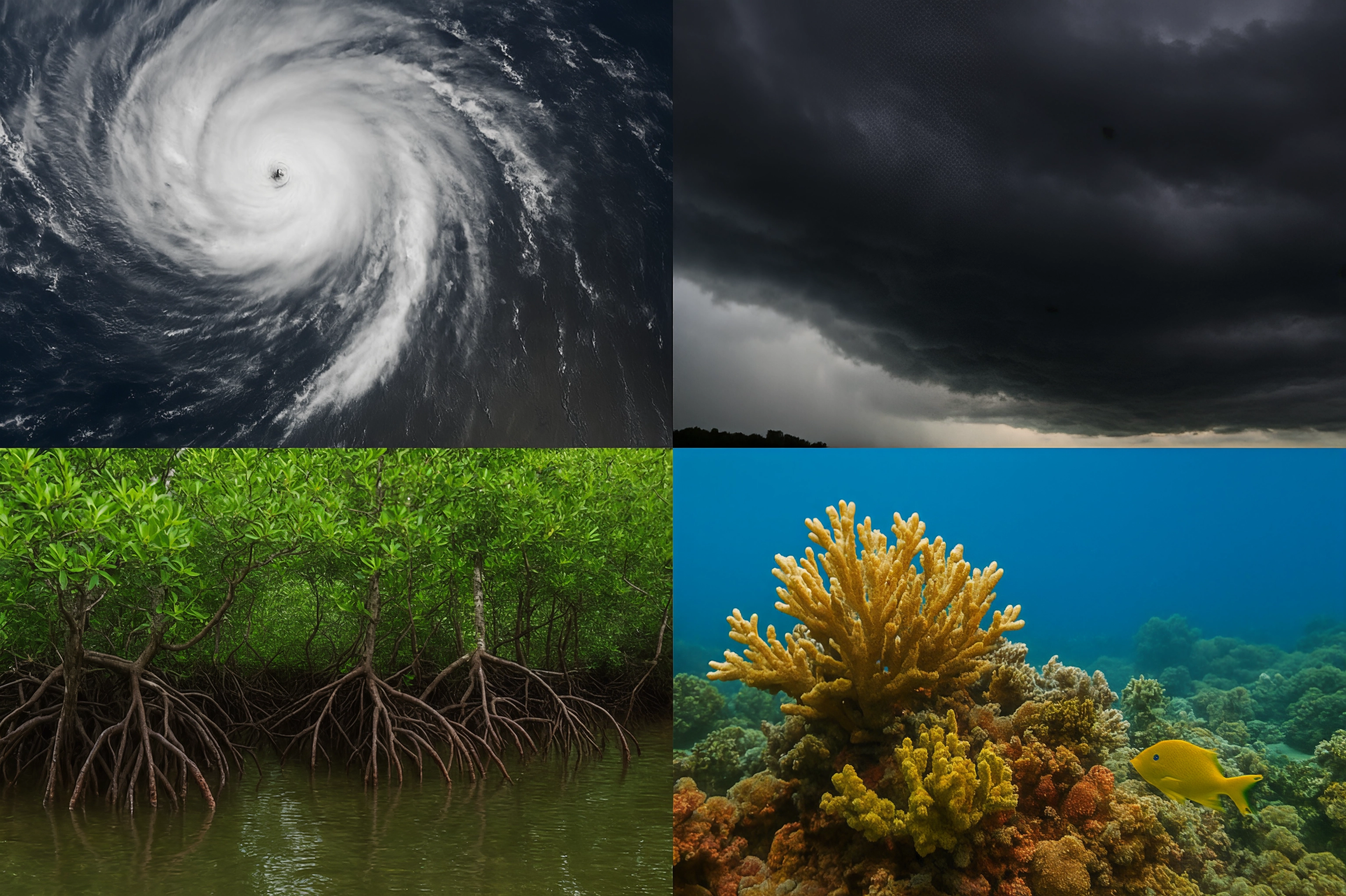

Protecting ecosystems like mangroves, wetlands, and coral reefs could unlock major economic gains for the Philippines and the wider Asia-Pacific region, according to a recent report from the Asian Development Bank (ADB).
The Asia-Pacific Climate Report 2025: Unlocking Nature for Development warns that extreme weather events—cyclones, floods, droughts, and heatwaves—are becoming more frequent and severe, with Asia and the Pacific bearing the brunt. In the Philippines, mangrove degradation has increased vulnerability to storms, while in other regional hotspots, floods and landslides have caused hundreds of deaths and billions in losses.
“Healthy ecosystems are not environmental extras in the region’s growth story. They are productive assets at the core of Asia’s growth and resilience,” said ADB chief economist Albert Park. “Countries that invest in nature are investing in their own competitiveness and fiscal stability.”
The report notes that roughly 75% of the region’s gross domestic product depends on sectors closely tied to natural capital, including agriculture, fisheries, forestry, and tourism. Yet investment in nature remains limited: of more than $270 trillion in global financial assets, less than 1% currently supports nature-positive projects, such as sustainable farming or mangrove restoration. Closing the biodiversity and climate financing gap in Asia-Pacific could require more than $1 trillion annually.
The Philippines is already showing what’s possible. In Siargao, a government-led mangrove restoration program has rehabilitated nearly 1,000 hectares of degraded ecosystems, providing storm protection while creating alternative livelihoods for former mangrove cutters. According to the report, about 95% of them have transitioned to ecotourism and sustainable fisheries.
Similar projects in Vietnam, China, and Sri Lanka demonstrate that integrating nature into economic planning can boost biodiversity, resilience, and local incomes.
The ADB report calls on governments to “upgrade their operating system” for nature finance—strengthening governance, policy, and data to attract private investment at scale. Near-term steps include subsidy reform, natural capital accounting, and planning that considers ecological boundaries beyond national borders. Longer-term reforms focus on aligning finance, governance, and data to deliver measurable environmental and economic benefits, including enhanced climate resilience, disaster risk reduction, and sustainable livelihoods.
Investing in nature, the report argues, is not just an environmental imperative—it is an economic one. Ecosystems provide essential services: mangroves shield communities from floods, coral reefs sustain fisheries and tourism, and forests store carbon while regulating water. Proper valuation makes these contributions visible in economic decisions, allowing governments to plan public finance and infrastructure investments more efficiently while avoiding costly environmental damage.
Development finance institutions like ADB are helping countries mobilize capital for nature-based solutions, support regional cooperation, and provide technical assistance to integrate ecosystems into economic systems. The goal is a decade-long transformation that positions nature as a foundation of prosperity rather than a cost to be managed.
“Across the region, evidence is compelling,” said Fatima Yasmin, ADB vice president for sectors and themes. “A nature-positive future is not only possible—it is economically imperative and within our collective reach.”
Stay updated—follow Philippines Today on Facebook and Instagram, and subscribe on YouTube for more stories.